Why Small Space Organization Matters (and Why People Fail)
Small apartments and homes are increasingly common in Bangalore, especially among young professionals, couples, and growing families. Demand for home storage and organization products keeps growing. Why? Because space is precious, and disorganization costs money—in wasted storage, redundant purchases, and stress.
But here's the real challenge: most people skip the foundational steps and jump straight to buying containers. They organize around clutter instead of eliminating it first. Then, 6 months later, the organized space reverts to chaos because there was no system to maintain it.
Common Small Space Organization Mistakes to Avoid
Research on small-space organization failures shows seven recurring patterns:
- Buying storage before decluttering — The #1 mistake. You end up with expensively organized junk.
- Bulk buying without space — "These containers are cheap!" Then you have nowhere to put them.
- Neglecting vertical space — Most people use only 30% of the wall space in small rooms.
- Choosing the wrong container sizes — Containers that don't fit your actual items waste space and money.
- Lack of daily maintenance — No system for putting things back leads to re-clutter within weeks.
- One-size-fits-all approach — Solutions that work in one room fail in another (kitchens are different from closets).
- Ignoring your lifestyle — Organizing for how you should live, not how you actually live, guarantees failure.
The Organization Mindset: Why Systems Beat Storage Containers
Organization isn't about containers. It's about systems. A system answers three questions:
- Where does this item live? (Every item has a designated place.)
- Why does it live there? (The location is logical and accessible.)
- How will I maintain it? (Daily habits, not just initial setup.)
This behavioral foundation is often missing from generic "30 small-space tips" articles. That's why we emphasize habit-building: organizing is the sprint; maintenance is the marathon.
The 5-Step Framework for Organizing Any Small Space
Whether you're organizing a 1-BHK apartment, a studio, or just one room, this framework works across all small spaces. Most people skip Step 1 or 2 and fail later—don't be that person.
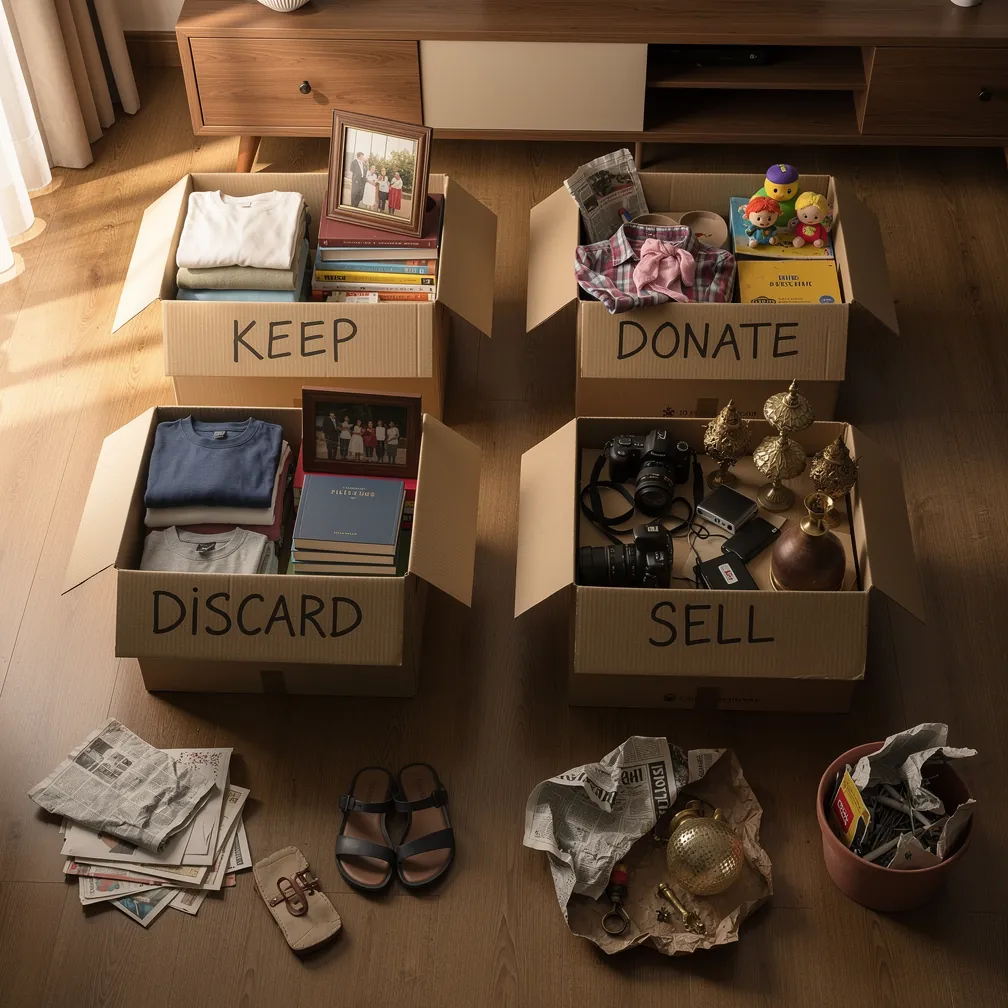
Step 1: Declutter First, Organize Second (The Non-Negotiable First Step)
You cannot organize what you don't need. Decluttering is the hardest step, but it's essential.
- Ask three questions for every item: Do I use this? Do I love this? Does it serve my current life? If the answer to all three is no, it goes.
- Be ruthless with duplicates. How many water bottles, kitchen utensils, or phone chargers do you really need?
- Seasonal items belong in long-term storage (under the bed, top shelves, outside the main living space).
- Sentiment vs. function: A gift you don't love is clutter, not treasure. Honor the giver by letting it go.
Step 2: Assess Your Space & Define Your Categories
Now that clutter is gone, measure your actual storage:
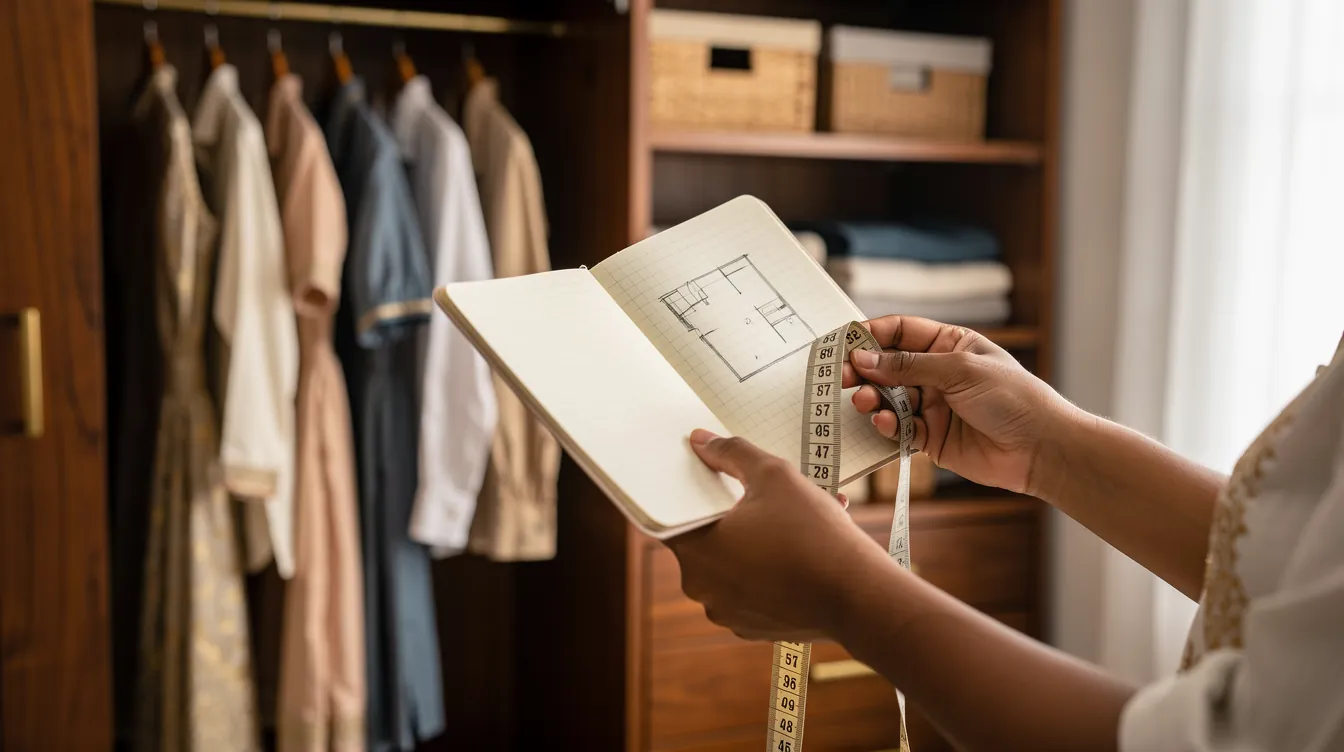
- Measure furniture dimensions and shelf widths (to the cm). Small spaces don't forgive guesses.
- Assess natural traffic flow. What items do you grab daily? They belong in the most accessible spots.
- Categorize ruthlessly. Example: all wardrobe items together (by season, type, frequency of use), all kitchen items by zone (cooking, serving, storage).
- Account for India's climate. High humidity during monsoon season affects fabric storage, requiring breathable containers and ventilation.
Step 3: Choose the Right Storage Solutions for Your Space
Not all storage solutions work everywhere:
- Vertical storage is king in small spaces. Wall-mounted shelves, tall cabinets, and ceiling-height storage maximize every square foot.
- Multifunctional furniture saves space. Beds with under-storage, ottomans with hidden compartments, and tables with shelves serve double duty. Much of the growing demand for home storage comes from homeowners investing in multifunctional pieces.
- Clear, uniform containers create visual continuity. Your brain perceives organized clarity even if items are packed densely.
Step 4: Implement Your Organization System
- Start small. Organize one shelf, one closet, one drawer—then expand.
- Label everything. Even clear containers benefit from labels when stacked or behind cabinet doors. Labels prevent "I think there's tea here" moments.
- Place high-frequency items at eye level (18 inches–5 feet for most people). Low-frequency items can go higher or lower.
- Use the "like with like" principle. All kitchen spices together, all skincare together, all office supplies together—this speeds up finding and tidying.
Step 5: Build the Habit—Daily Maintenance for Long-Term Success
This is where most people fail, but it's the easiest to fix:
- The 10-minute daily reset. Every evening, spend 10 minutes putting things back. This prevents re-clutter.
- One-item-in, one-item-out rule. Before buying something new, remove something similar. Prevents gradual creep.
- Weekly category check. Spend 20 minutes on Sunday ensuring each category is still organized (e.g., clothes still sorted, kitchen still zoned).
- Monthly reassessment. Did the organization work for you? If not, adjust. Systems aren't set-and-forget; they evolve with your life.
Room-by-Room Organization Strategies
Bedroom Organization for Small Spaces
Bedrooms are often the most cluttered room in a small apartment—they double as storage rooms, dressing rooms, and workspaces.
Maximizing Closet Space & Wardrobe Organization
- Use slim hangers (instead of thick plastic or wood) to fit 50% more items in the same space.
- Fold and hang strategically: Heavy knits and jeans fold on shelves; dresses, shirts, and sarees hang on rods.
- Saree storage (a unique challenge in Indian homes): Sarees are long and heavy. Solution: Invest in a dedicated saree hanger (wall-mounted or freestanding) that suspends the saree horizontally without creasing. Store sarees by weight class and color for easy selection. Humidity in Bangalore requires breathable storage—never seal sarees in plastic. Our saree organizer service specializes in this setup for Indian households.
- Accessory systems: Use hanging organizers for scarves, belts, and jewelry. This keeps them visible and prevents tangling.
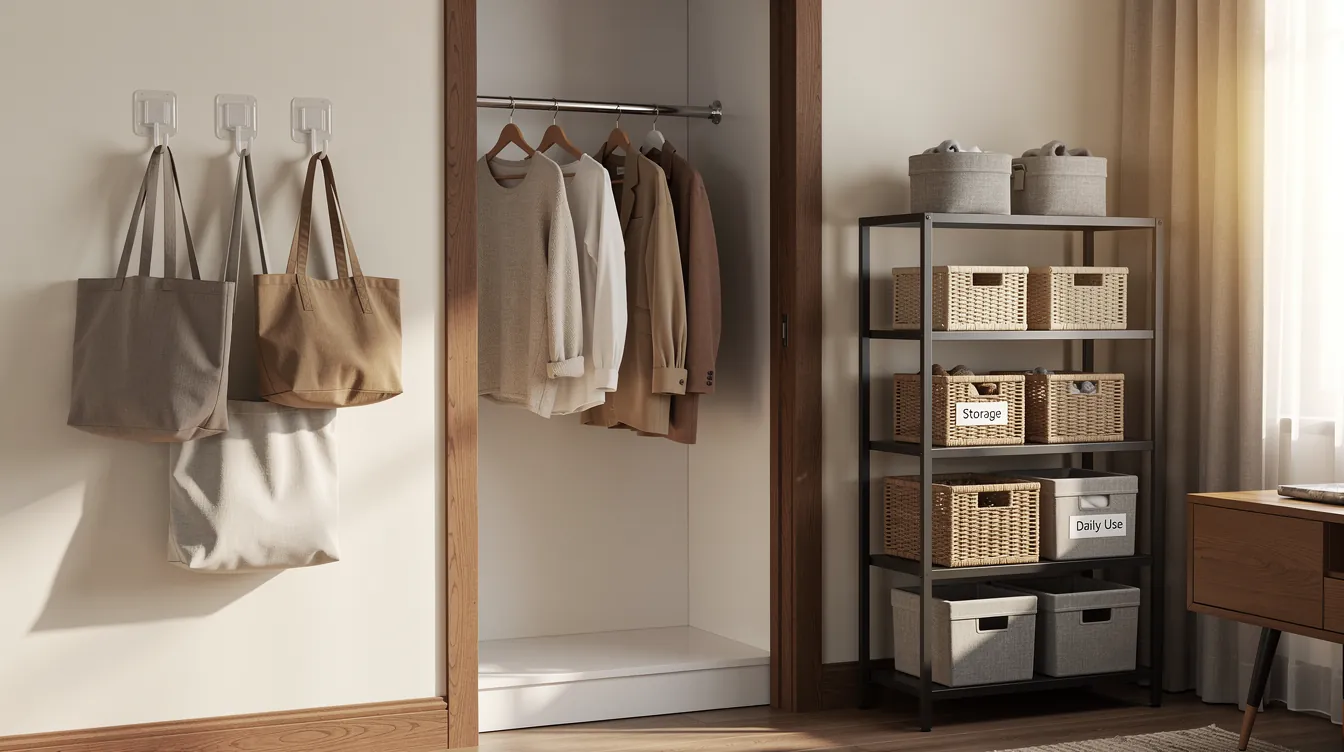
- Use the back of the closet door: Install hooks or an over-the-door organizer for bags, frequently worn accessories, or seasonal jackets.
Under-Bed Storage & Loft Bed Solutions
- Under-bed rolling boxes store seasonal clothing, bedding, or rarely-used items. The rolling wheels make access easier than stationary boxes.
- Vacuum storage bags compress clothing to 50% of normal size—great for bulky winter clothes in a monsoon-heavy climate like Bangalore.
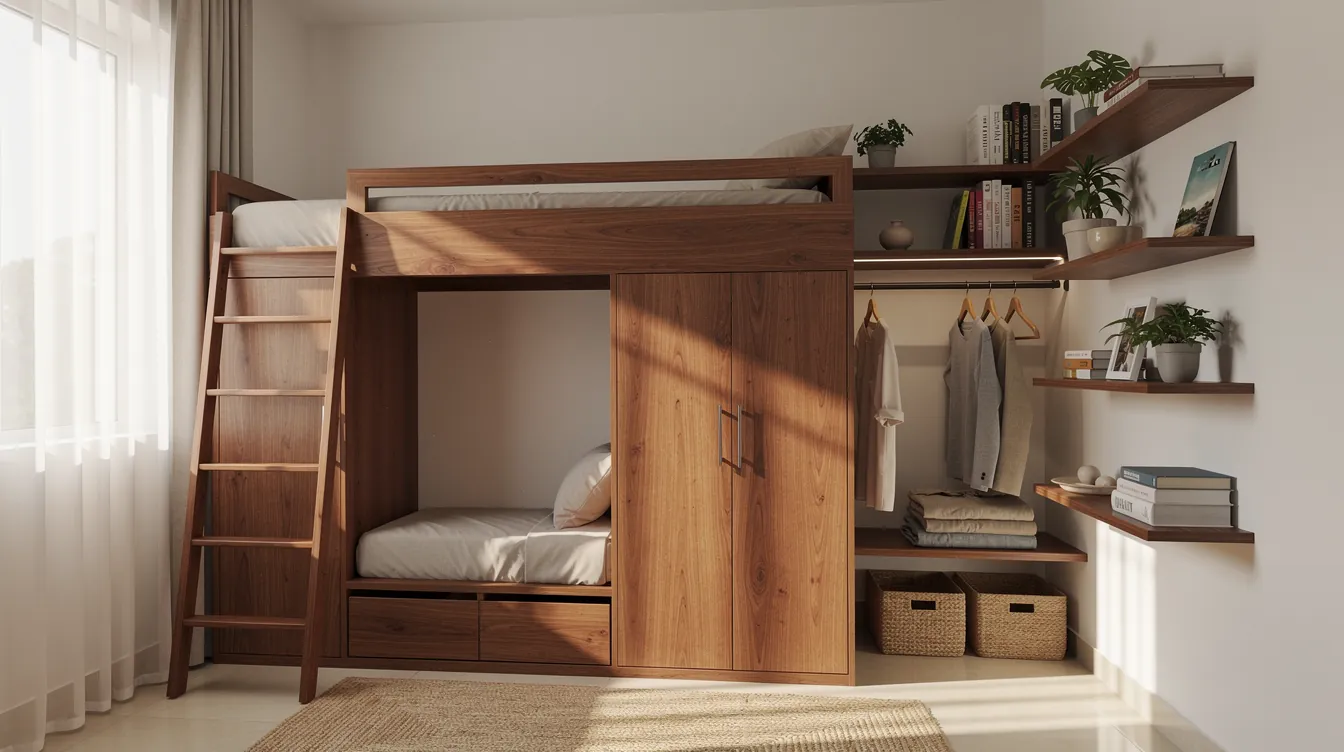
- Loft beds (common in 1-BHK apartments) create usable floor space below. Use that space for a desk, additional storage shelves, or a couch. Ensure ventilation to prevent humidity buildup.
Furniture with Built-In Storage (Beds, Benches, Dressers)
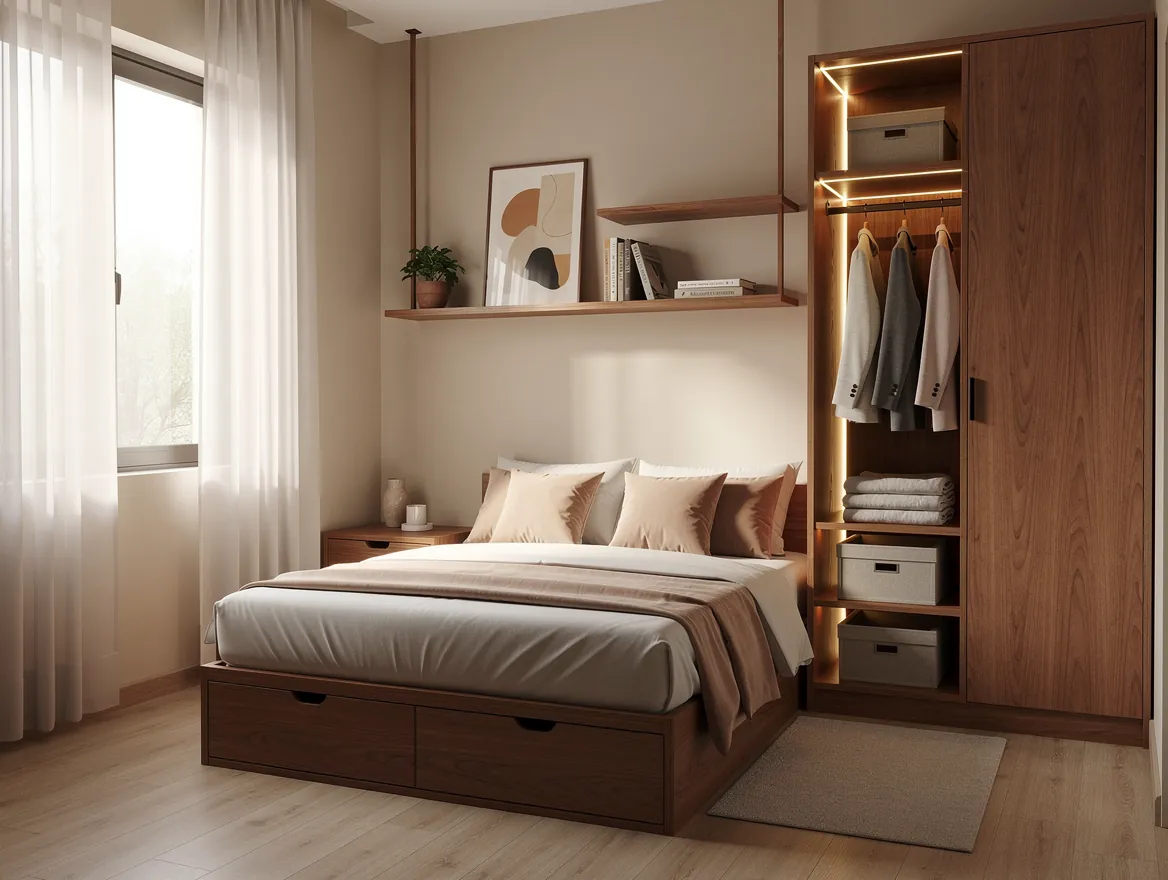
- Multifunctional beds with drawers underneath are a game-changer. An additional 2–3 drawers store an extra season of clothing or bedding.
- Benches at the foot of the bed double as storage seats. Lift the lid to access seasonal items.
- Tall dressers (instead of wide ones) preserve floor space while providing deep storage.
Kitchen Organization for Small Apartments
Kitchens in Bangalore apartments are often galley-style with minimal counter space. Every cm counts.
Vertical Storage & Wall-Mounted Solutions
- Floating shelves above the counter hold frequently-used items (spices, oils, cookbooks) and create visual interest.
- Magnetic knife strips replace bulky knife blocks, freeing counter space.
- Wall-mounted pot racks keep cookware accessible without consuming cabinet space. Ensure the wall can handle weight.
- Over-the-sink shelving maximizes the gap between the sink and upper cabinets.
Organizing for Indian Cooking Styles (Spices, Pressure Cookers, Traditional Tools)
This is a major differentiator—generic small-kitchen guides miss Indian-specific storage needs entirely:
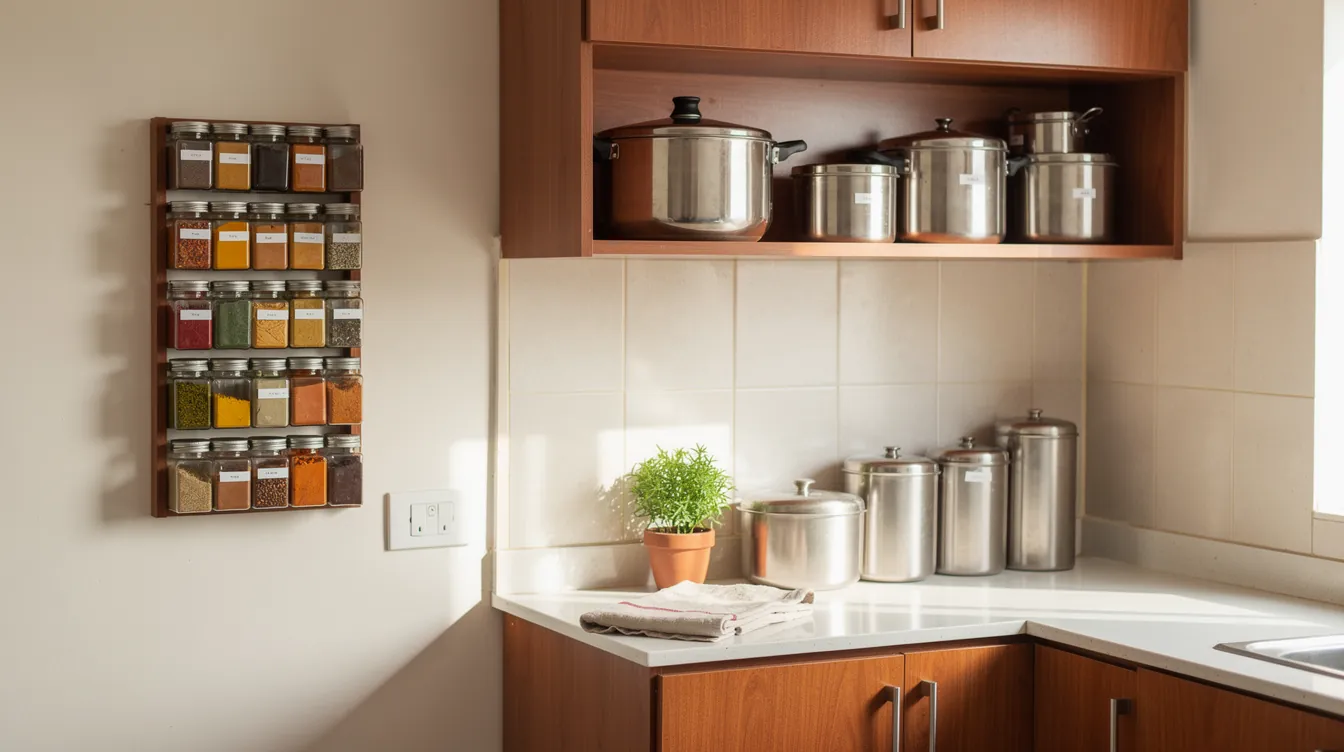
- Spice organization in humidity: Buy clear, airtight containers (glass or BPA-free plastic) for spices. Humidity causes spices to cake and lose potency. Store in a cool, dry spot (not above the stove). Label in English and your local language for quick access.
- Pressure cooker storage: Pressure cookers are bulky and awkward to stack. Use a vertical divider in a lower cabinet, or hang them on a wall-mounted rack. Ensure handles don't impede door closure.
- Traditional cooking-tool accommodation: Idli makers, dosa stands, clay pots, and other cultural cooking tools need dedicated space. Assign one deep cabinet drawer or shelf specifically for these; use dividers to prevent movement.
- Oil and paste storage: Coconut oil, sesame oil, and pastes (ginger-garlic, chili) are staples. Store oils in cool, dark spaces (not near the stove). Use a small turntable or lazy Susan to access items at the back of deep shelves without fishing.
Under-Sink & Drawer Organization
- Under-sink organizers with tiered shelving maximize the awkward space under the sink. Keep cleaning supplies, extra storage containers, and bulk items here.
- Drawer dividers prevent utensils, measuring spoons, and small tools from becoming a tangled mess. Bamboo or adjustable dividers work well.
- Pull-out drawers in lower cabinets let you access items at the back without bending.
Living Room & General Space Organization
Multi-Functional Furniture & Space-Saving Pieces
- Storage ottomans replace traditional side tables, combining seating with hidden storage for throws, books, or miscellaneous items.
- Wall-mounted TV stands eliminate the need for a bulky entertainment unit.
- Expandable dining tables shrink when not in use, reclaiming floor space.
- Floating shelves instead of bookcases create a lighter visual impact and are easier to keep dust-free.
Floating Shelves & Vertical Storage in Living Areas
- Install floating shelves at varying heights to create visual interest and maximize wall usage.
- Use shelves for both function and décor: books, plants, framed photos, storage baskets. This makes organization feel intentional, not cluttered.
- Avoid clutter creep: Just because shelf space exists doesn't mean it must be filled. Leave negative space.
Bathroom Organization in Compact Spaces
- Over-the-toilet shelving units add 3–4 shelves of storage without taking floor space.
- Magnetic strips inside cabinet doors hold metal grooming tools and scissors.
- Under-sink organizers keep cleaning supplies, extra toiletries, and bulk items out of sight.
- Wall-mounted baskets store extra towels, soaps, or hair tools on narrow walls.
Small Space Organization for Renters (No Permanent Modifications Needed)
Bangalore has a large rental population. Many renters assume they can't organize because they can't drill holes, install shelves, or modify walls. Wrong.
Adhesive Hooks, Tension Rods & Freestanding Solutions
- Command hooks and adhesive strips are renter-friendly. They remove cleanly without leaving marks. Use them for hanging shelves, pot racks, or mirrors.
- Tension rods fit inside closets (horizontal rod for hanging clothes) or under sinks (vertical rod for storing cleaning supplies). No installation required.
- Over-the-door organizers hang on existing doors. No tools, no wall damage.
- Freestanding shelving units are your best friend. IKEA shelf units and metal storage racks don't require wall anchors. As long as they're not top-heavy, they stand stable.
- Removable shelving liners protect shelves and are easy to clean. Peel them off when you move.
What You CAN'T Change (and How to Work Around It)
- Can't modify walls? Use freestanding furniture, over-the-door solutions, and furniture-mounted storage instead.
- Can't repaint? Work with the existing colors. Choose storage containers that complement the space (neutral tones, natural materials) so they fade into the background.
- Can't install permanent shelves? Lean tall bookcases or standing shelving units against walls, styled with décor to feel intentional.
- Limited cabinet space? Invest in under-bed storage, closet organizers, and storage benches that maximize hidden space.
Our organization service specializes in renter-friendly setups. Many customers are surprised how much can be organized without a single drill.
Expert Storage Solutions & Products for Small Spaces
Vertical Storage: Shelves, Cabinets & Towers
- Floating shelves (12–18 inches wide) are lightweight and don't eat floor space. Mount them at various heights for visual interest.
- Tall, narrow cabinets maximize ceiling height and preserve floor space. A single tall bookcase uses 2 sq. ft. but holds as much as a wide dresser using 4 sq. ft.
- Corner shelving units use otherwise wasted corner space. Spinning lazy-Susan-style corner organizers let you access the back without crawling.
Multi-Functional Furniture: Beds, Ottomans & Expandable Tables
- Platform beds with drawers store an entire extra season of clothing in 2–3 deep drawers.
- Storage benches at the foot of the bed combine seating and storage. Lift the lid to access seasonal items.
- Expandable dining tables shrink to console size when not needed, doubling as storage or workspace.
Organizing Containers & Basket Systems (and How to Choose Them)
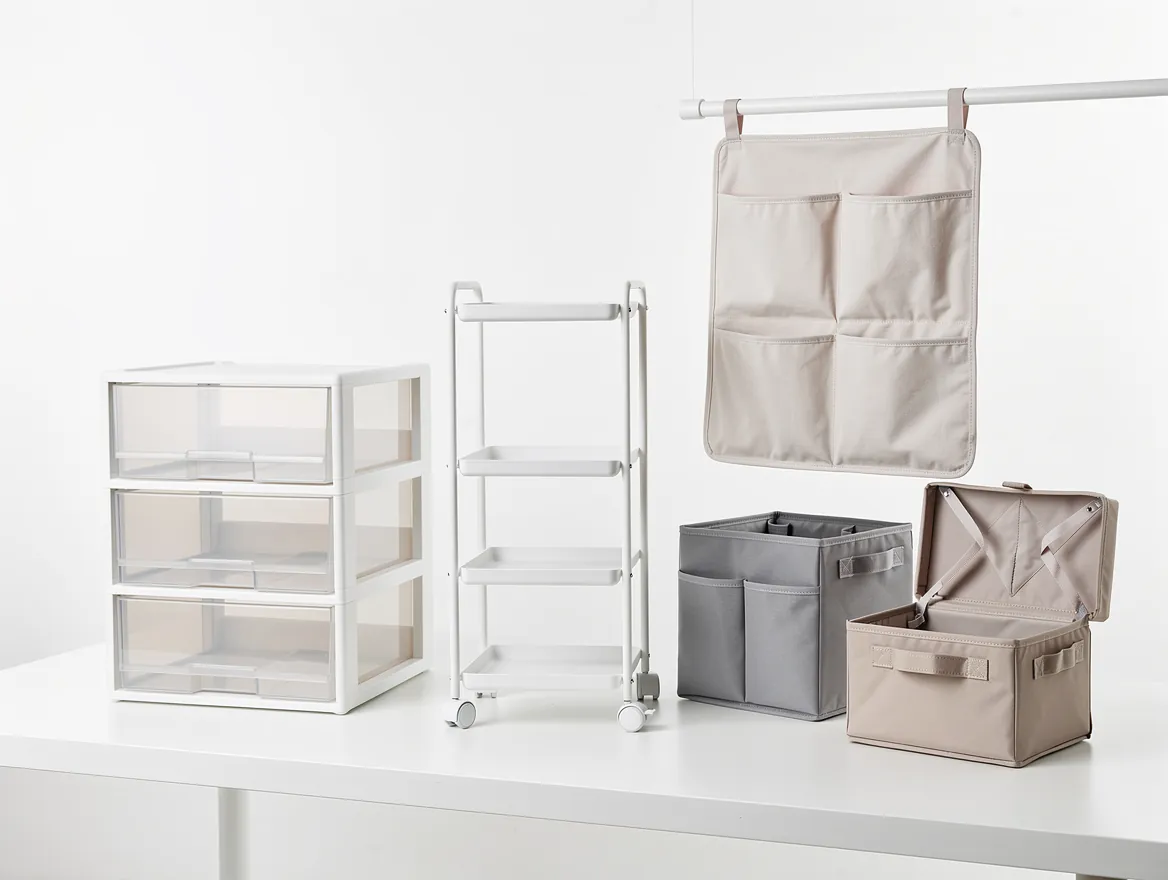
- Clear containers let you see contents at a glance. Label the front or top with contents and the date (for perishables or seasonal items).
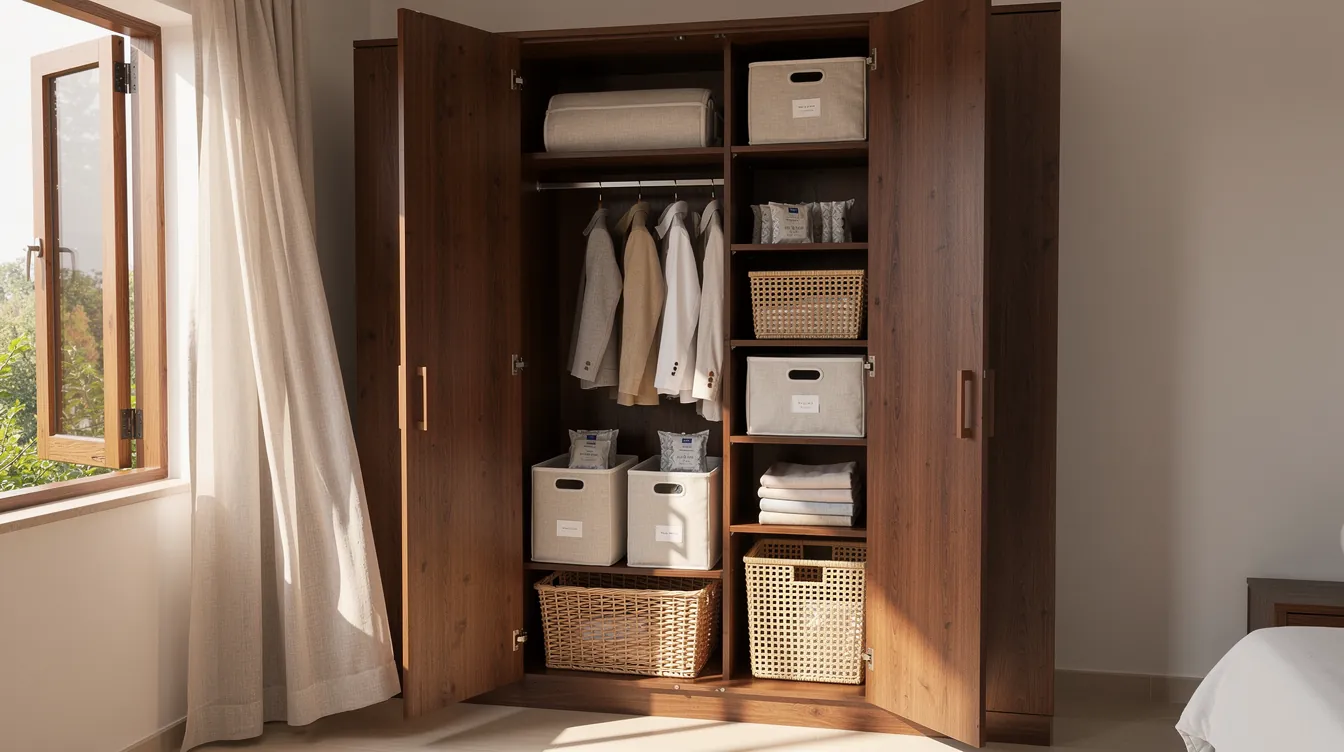
- Woven baskets bring warmth and texture. Use them for throws, magazines, or rolled-up clothing. Label them with small tags.
- Stackable bins maximize vertical space in closets and cabinets. Ensure dimensions match your shelf width to prevent wasting space.
- Drawer dividers are budget-friendly and prevent utensil chaos. Bamboo or acrylic options are durable.
IKEA Products for Small Apartments: Best-Tested Recommendations & Hacks
IKEA is a favorite for small-space organizing. Here are the best products for Indian apartments, tested and recommended:
- VESKEN shelf unit (12×37 cm, multiple colors): Compact wall-mounted shelving for spice storage, bathroom items, or small decorative pieces. Easy installation with included brackets. Popular in Indian kitchens for spice jars.
- AURDAL modular organizer system: Stackable boxes in various sizes. Customize your drawer or shelf configuration. Great for makeup, office supplies, or clothing storage.
- SUNNERSTA hanging organizer: Three-tier hanging storage for kitchens. Holds spice jars, small containers, oils, and pastes. Saves counter space.
- KALLAX shelving unit (70×70 cm): A versatile grid shelf. Use it as open shelving (styled with plants and décor), or add doors and baskets for concealed storage. Popular for living room and bedroom organization.
- ANVIK over-the-door shelf organizer: Ideal for closets and bathroom doors. Stores spices, cosmetics, or small items.
- Hacks to optimize these products:
- Use adhesive shelf liners on KALLAX to prevent items from sliding.
- Add LED strip lights inside shelves to illuminate dark corners.
- Spray-paint KALLAX compartments to match your décor (light wood stains are popular).
- Use clear drawer dividers inside AURDAL boxes to prevent shifting.
Many customers hire our IKEA organizer service to assemble and style these units, especially when dealing with concrete walls (common in Indian apartments) that require specific wall anchors.
Mirrors, Light Colors & Visual Tricks to Make Spaces Feel Larger
- Large mirrors opposite windows reflect light and create the illusion of depth. They also brighten dark corners.
- Light wall colors (whites, soft grays, warm beiges) make spaces feel airier. Avoid very dark accent walls in small spaces.
- Glass-front cabinets create visual continuity compared to solid doors. See-through doors make clutter feel less oppressive.
- Vertical lines in décor and organization (tall shelves, long curtain rods) draw the eye upward, creating the illusion of height.
Small Space Organization Trends for 2026
Organization and storage design are evolving. Here are the trends shaping small-space solutions this year:
Built-In Storage with Dual Functionality (Beds as Headboards + Storage)
- Headboards with shelving: Modern beds now feature shelving integrated into the headboard. Store books, plants, or décor items at arm's reach without using wall space.
- Beds with deep under-storage: Some platforms have 3-4 deep drawers instead of a single cavity, turning a bed into a major storage asset.
- Murphy bed innovations: Modern Murphy beds now include shelving, desks, and fold-out work surfaces. They're not just for tiny studios anymore; they're style choices.
Beautiful Organization: Storage That Doubles as Design
2026 marks a shift from "hide the clutter" to "make storage part of your design." Open shelving with styled items, visible storage baskets, and organized shelves are no longer embarrassing—they're aspirational. Expect to see:
- Fluted glass freestanding furniture: Reduces visual weight while maintaining functionality. Popular for bedroom and living room storage.
- Wooden hardware over metallic pulls: Warm tones (walnut, oak, bamboo) replace cold steel. Better aligns with natural materials trend.
- Carved-out nooks and alcoves: Built-in niches under staircases, in dead corners, or beside windows maximize unusual spaces.
Sustainable Materials in Organization Solutions
- Bamboo organizers and baskets: Renewable, durable, and beautiful. Growing 36% consumer preference for sustainable designs.
- Recycled plastic bins: Eco-friendly alternatives to new plastic storage.
- FSC-certified wood shelving: Responsibly sourced timber for organization furniture.
From Move-In to Move-Out: Organizing a New Apartment (Timeline & Priorities)
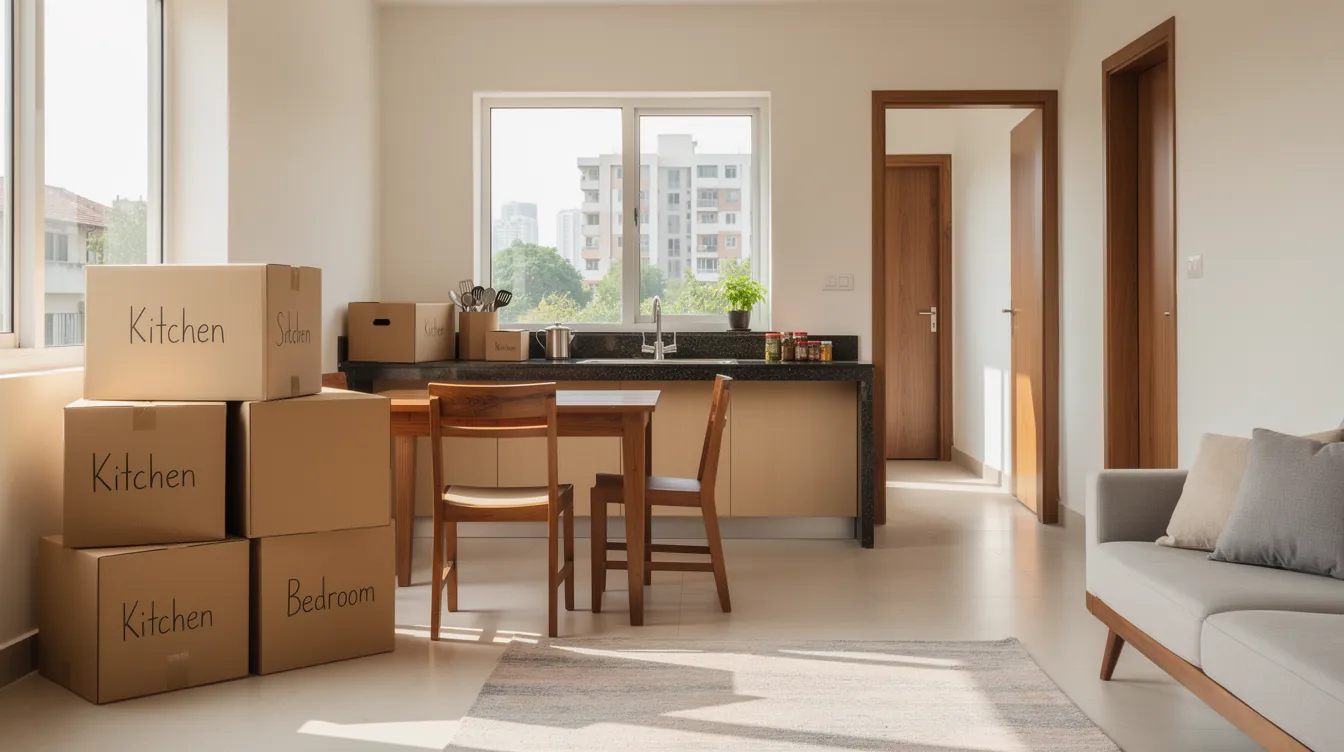
Moving into a new apartment is the ideal time to organize from the start—no old habits, no accumulated clutter. But the pressure of unpacking while setting up utilities and furniture is overwhelming. Here's a timeline:
Day 1–3: Essential Zones & Daily-Use Items
- Bedroom: Unpack clothes, set up the bed, organize basic bedroom items (underwear, sleepwear).
- Kitchen: Unpack dishes, utensils, daily-use items. Locate and organize the stove, fridge, and basic cooking supplies.
- Bathroom: Unpack toiletries, medicines, towels.
- Ignore the rest for now. Books, decorations, and rarely-used items can wait. Focus on living comfortably for the next 48 hours.
Week 1–2: Unpacking Strategy & Category Setup
- Unpack by room (not by box type). Finish one room before moving to the next.
- Create temporary zones for items without assigned homes yet—a corner for "kitchen overflow," a shelf for "living room books."
- Start organizing as you unpack. Don't unpack everything into piles; place items in their designated spaces immediately.
- Set up storage systems now, while you're motivated. Install shelves, organizers, and storage solutions before settling in.
- Use this time to address climate: Install dehumidifiers if needed (Bangalore humidity), use breathable storage containers, ensure closet ventilation.
Month 1+: Building Long-Term Systems
- Evaluate what works. Which storage solutions are actually working? What's cramped or hard to access?
- Adjust and optimize. Move items to different shelves, add organizers, remove solutions that aren't serving you.
- Plan for seasons. Rotate seasonal clothes and adjust storage accordingly.
- Establish maintenance habits. Implement the 10-minute daily reset and weekly checks.
Our "new home organizer" service helps clients streamline this entire process—we can set up systems on Day 1 so you're organized from move-in. Many customers book this service 1–2 weeks after moving, once they know their actual layout.
Organizing for India's Climate: Humidity Management in Small Spaces
Bangalore and much of India have high humidity, especially during monsoon season. Generic organization guides ignore this—but humidity damages fabrics, causes mold, and ruins organization systems. Here's how to organize with climate in mind:
Protecting Fabrics & Clothing from Moisture (Monsoon Season Preparation)
- Use breathable containers, not sealed plastic boxes. Sealed boxes trap moisture and cause mold. Cotton bags or woven baskets allow air circulation.
- Silica gel packs absorb excess moisture in enclosed storage (closets, drawers). Replace monthly during monsoon.
- Cedar blocks or lavender sachets deter insects and add fragrance. Store with delicate fabrics like sarees and woolens.
- Air out stored clothing before monsoon. If you're storing winter clothes during the hot season, air them thoroughly first. Residual moisture + sealed box = mold.
- Saree care: Sarees are susceptible to moisture. Store them in breathable bags (cotton muslin), never plastic. Hang them in a well-ventilated closet. During monsoon, check monthly for any mold development.
Ventilation Strategies & Mold Prevention in Organized Spaces
- Leave small gaps between stacked items so air circulates, especially in closets and under-bed storage.
- Install small exhaust fans in closets if possible (not always feasible for renters, but worth asking the landlord).
- Use open shelving over closed cabinets in high-humidity rooms. Open shelves allow air to move freely.
- Avoid overcrowding shelves. Items packed tightly leave no airflow. Organize, but leave breathing room.
- Dehumidifiers in problem areas: Invest in a compact dehumidifier for the bedroom or kitchen if you notice dampness or musty smells. Check humidity levels monthly during monsoon (ideal: 40-50%).
Real-World Examples: Before & After Small Space Transformations
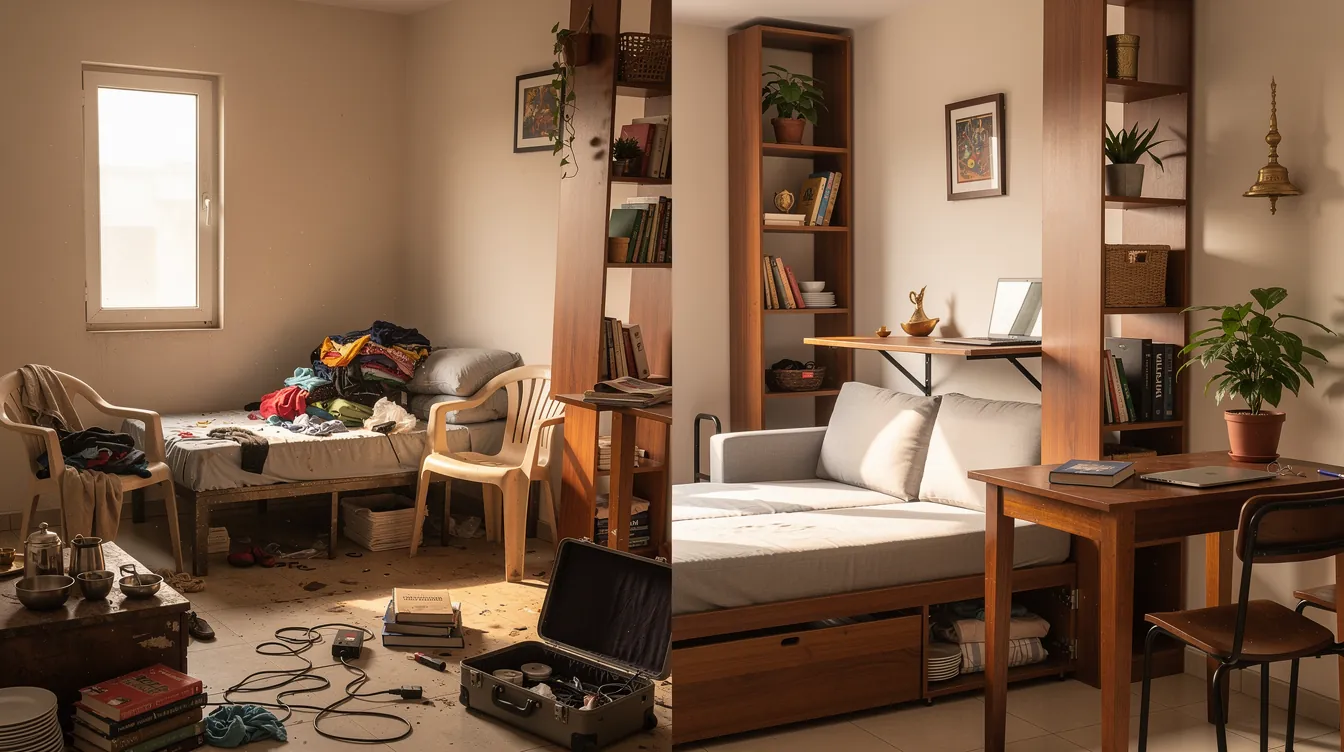
Case Study: Studio Apartment → Functional One-Bedroom Feel
A 300 sq. ft. studio was chaotic: clothes on a chair, dishes on the counter, books stacked in corners. By applying the 5-step framework:
- Decluttered to 60% of original items (removed duplicates, seasonal items not used, impulse purchases).
- Installed floating shelves above the bed (for books and décor, freeing floor space).
- Added a loft-style bed with drawers below for seasonal clothing.
- Implemented storage ottomans instead of a side table (hidden storage for blankets and extra pillows).
- Established daily habits: 10-minute reset in the evening.
Result: The studio now feels open and livable. The resident can work from home, entertain, and actually relax—all in 300 sq. ft.
Case Study: Shared Small Bedroom Organization (Kids or Couples)
A shared 10×12 ft. bedroom (two people, one small closet) was a constant source of tension. Organization improved when:
- Each person got a dedicated drawer/shelf (mental ownership reduces clutter).
- Under-bed storage was divided 50-50.
- Shared items (seasonal bedding, luggage) were labeled and placed on high shelves.
- A 10-minute reset became a joint habit—both people tidied together before bed.
Result: Tension decreased. Clear boundaries meant less negotiation about whose stuff was in whose space.
When to Call a Professional Home Organizer
Some tasks are DIY-friendly. Some require expert help. Here's how to decide:
Signs You Need Professional Help
- You're overwhelmed. Staring at clutter and not knowing where to start is a sign you need a professional.
- You've tried and failed. If you've organized and re-cluttered multiple times, you need a system that works for your lifestyle, not a generic approach.
- You lack time. If organizing takes longer than you can spare (say, more than a few weekends), hiring help is efficient.
- You're moving into a new space. A professional can set up systems from day one, saving months of trial and error.
- You have accessibility challenges. Back pain, mobility issues, or height concerns make some organizing tasks difficult. A professional can adapt.
- You're downsizing. Moving from a large home to an apartment? A professional helps you right-size your belongings and maximize the new space.
What to Expect from a Home Organizer (and ROI)
Professional organizers like Tidy Blueprints offer services including:
- Consultation (1–2 hours): Understanding your space, lifestyle, and goals. Identifying bottlenecks and proposing solutions.
- Full-space organization (6–12 hours): Hands-on decluttering, organizing, and system setup. You work alongside the organizer, learning as you go.
- IKEA assembly and styling: Professional setup and styling of IKEA or other modular furniture.
- Specialized services: Saree organization, kitchen systems for Indian cooking, renter-friendly solutions.
ROI: Clients report:
- Time saved: 10–20 hours monthly (no longer searching for items, maintaining organization).
- Money saved: Avoiding duplicate purchases, extending furniture lifespan, reducing clutter-driven stress purchases.
- Mental clarity: A clear space reduces decision fatigue and anxiety.
Tidy Blueprints specializes in Bangalore small-space organizing, with expertise in Indian apartment layouts, climate-aware storage, and cultural organization needs (saree wardrobes, Indian kitchen tools, multi-generational households). If DIY feels overwhelming, reach out for a free 30-minute online consultation.
Key Takeaways
- Declutter first. No system works without this foundation.
- Vertical storage is king in small spaces.
- Systems beat containers. Habits make organization stick.
- Account for climate. Humidity requires specific solutions.
- Renter? No problem. Permanent solutions aren't necessary—adhesive hooks, tension rods, and freestanding furniture work beautifully.
- Maintain daily. The 10-minute reset prevents re-clutter.
- Adjust as needed. Organization evolves with your life—flexibility is key.