Common Shelf Organization Mistakes (And How to Avoid Them)
Even with the best intentions, shelves often become cluttered again. Here are the most common pitfalls we see—and how to prevent them.
Mistake 1: Overloading Shelves & Creating Accessibility Issues
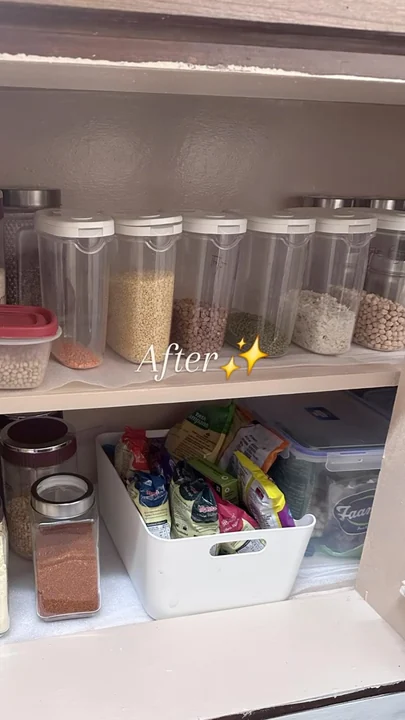
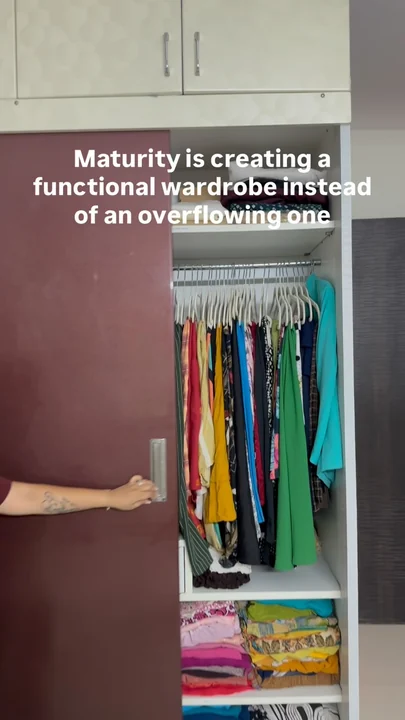
When shelves are packed too tightly, it's hard to find what you need, items get damaged, and it looks visually chaotic. The fix: Follow the 70/30 rule—fill shelves only 70% of capacity. Leave breathing room for easy access and visual balance. Items you use daily should be at eye level; items used seasonally can go higher or lower.
Mistake 2: Ignoring Climate & Material Durability
Bangalore's high humidity and monsoon season can warp wood, rust metal, and degrade plastic if you choose the wrong material. The fix: Select moisture-resistant materials (stainless steel, coated wood, or quality plastic) and ensure proper ventilation around shelves. Avoid placing organizers directly against exterior walls during monsoon.
Mistake 3: Organizing for Aesthetics Without Functionality (Or Vice Versa)
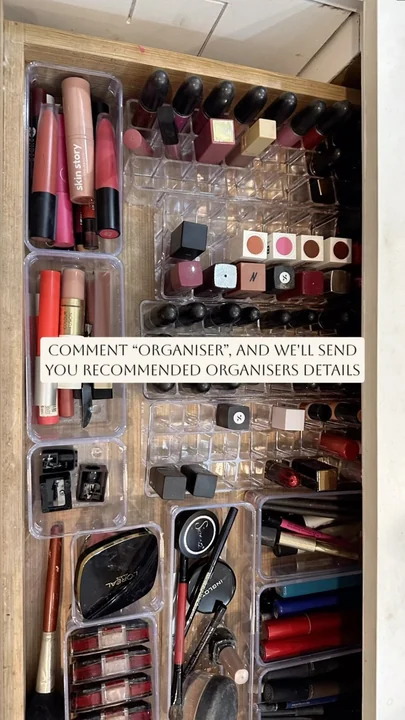
You want your shelves to look beautiful and be easy to use. Sometimes these goals conflict—a perfectly styled shelf can be hard to maintain, while purely functional shelves look cluttered. The fix: Aim for "functional beauty"—use uniform containers (for visual consistency), label clearly (for functionality), and leave strategic empty space (for breathing room). Your shelves should be both lovely to look at and easy to live with.
Mistake 4: Not Establishing a Maintenance System
Without a plan to keep items in place, shelves revert to clutter within weeks. The fix: Create simple rules for your household: "After using an item, return it to its labeled spot." Make it easy—if something doesn't have a home, it won't stay organized. Consider a monthly 15-minute refresh to catch items that have drifted out of place.