Storage Drawers and Drawer Organizer Boxes: How to Choose and Use Them
From plastic drawer towers to wardrobe and dresser drawers: which storage drawers suit Indian homes, and which drawer organizer boxes, dividers and inserts keep every drawer easy to use.
Jump to section
What Are Storage Drawers, and Why Do They Get Messy So Fast?
Storage drawers are pull-out compartments that keep small and folded things out of sight. Some are built into wardrobes, dressers, beds, desks and kitchens; others are freestanding drawer units you can add to any room. Drawers get messy faster than shelves because they have no structure inside: things slide to the back every time the drawer closes, small items sink under bigger ones, and whatever sits on top hides everything beneath it.
The fix is rarely a new piece of furniture. It's a drawer storage organizer: boxes, dividers, trays or inserts that give each item a fixed spot, so the drawer looks the same every time you open it. This guide, part of our home organization products series, covers both halves of the job: choosing storage drawer units, and choosing the drawer organizer boxes that go inside them.
Two separate decisions
- Do you need more drawers? If you have nowhere at all to put small things, a storage drawer unit, a dresser or a bed with drawers adds capacity.
- Or do your drawers need structure? If you have drawers but can't find anything in them, drawer organizer boxes and dividers solve the problem for a fraction of the cost.
What belongs in a drawer, and what doesn't
Drawers are best for small or soft things you want to see from above: innerwear, socks, T-shirts, nightwear, accessories, jewelry, makeup, stationery, cables, medicines and cutlery. Bulky things such as bedding, bags, blankets and large boxes are usually easier to manage on shelves, where you can see them from the front.
Key takeaway: Most drawer problems are solved by organizing what's inside, not by buying more drawers.
Types of Storage Drawers for the Home
Storage drawers come as freestanding units, as part of furniture, or built into wardrobes and beds. Each type suits a different room and a different load.
Freestanding plastic drawer units
Three-, four- and five-tier plastic towers, often on castor wheels, are the most common storage drawers sold online. They are light, washable, unaffected by damp and easy to move, which suits rented homes, kids' rooms, utility areas and the space under a desk. The trade-off is strength: thin runners stick, and drawers bow when loaded with heavy things.
Fabric drawer units
A metal frame holding fabric bins. They're cheap and collapsible and work for light clothing, toys and craft supplies, but they offer little protection from dust or damp and lose their shape over time.
Wooden chests of drawers and dressers
Wooden and engineered-wood chests hold more weight, look like furniture rather than storage, and can double as a dressing table or TV unit. Check the runners: metal ball-bearing or soft-close runners outlast wooden or plastic ones. Tall chests should be anchored to the wall, especially in homes with children who might climb open drawers.
Built-in wardrobe drawers
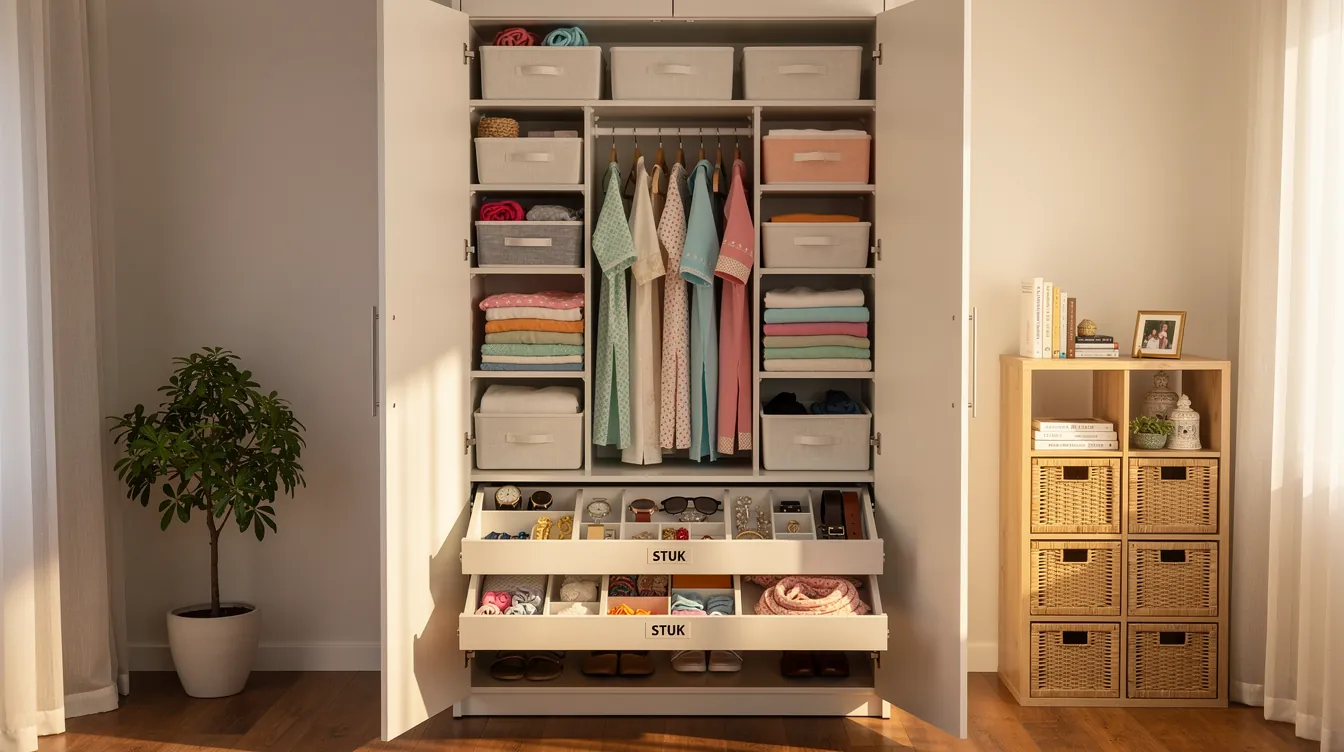
Modular wardrobes often include internal drawers below the hanging section. These are the most valuable drawers in the bedroom, protected from dust and right where you dress, and they're where drawer organizer boxes make the biggest difference.
Under-bed storage drawers
Beds with built-in drawers, or rolling under-bed drawers, use space that's otherwise wasted. They suit bedding, guest linen and off-season clothes better than everyday things, because bending down to a low drawer every morning gets tiresome.
Desktop and mini drawers
Small acrylic or plastic drawer sets for a desk, dressing table or bathroom counter keep stationery, makeup, hair accessories or medicines sorted in a compact footprint.
Quick comparison
| Type | Best for | Watch out for |
|---|---|---|
| Plastic drawer unit | Renters, kids' rooms, utility areas, under desks | Weak runners, bowing under weight |
| Fabric drawer unit | Light clothes, toys, temporary storage | Dust, damp, sagging |
| Wooden chest or dresser | Bedrooms, heavier items | Tipping (anchor tall units), sticking in humid months |
| Built-in wardrobe drawers | Everyday clothes and accessories | Deep drawers that turn into a jumble without inserts |
| Under-bed drawers | Bedding, off-season clothes | Dust, awkward daily access |
| Desktop and mini drawers | Stationery, makeup, medicines | Small capacity, flimsy plastic |
Drawer Storage Organizer Options: Boxes, Dividers and Inserts
A drawer storage organizer gives the inside of a drawer the structure it lacks. The right type depends on what you're storing and how deep the drawer is.
Drawer organizer boxes
Open-top boxes in a range of sizes that you arrange like tiles to cover the drawer floor. Because you can mix sizes, drawer organizer boxes adapt to almost any drawer and almost any contents: jewelry, makeup, stationery, socks, cables. Look for sets with several sizes and non-slip feet, and boxes slightly lower than the drawer's inside height.
Adjustable dividers
Spring-loaded or extendable bars that run front to back or side to side. They suit deep clothing drawers, where you want a few wide lanes for T-shirts, nightwear or folded jeans rather than many small boxes.
Grid and honeycomb inserts
Cell-style inserts that give each item its own slot. They work for rolled socks, innerwear, ties, belts and handkerchiefs: anything small, soft and numerous.
Compartment trays
Shallow trays with fixed sections: cutlery trays in the kitchen, velvet-lined trays for jewelry and watches, and stackable trays that use the full height of a drawer in two layers. Our storage trays guide covers these in detail.
Fabric drawer organizers
Collapsible fabric bins and cell organizers for clothing drawers. They are gentle on delicate fabrics and easy to rearrange, but they slump when they're under-filled.
Drawer liners
A washable, non-slip liner under your organizers stops boxes from sliding, protects the drawer base and makes cleaning easier.
Which material?
| Material | Strengths | Weaknesses | Best for |
|---|---|---|---|
| Plastic | Cheap, washable, moisture-proof | Can look cluttered; thin sets crack | Kitchen, bathroom and kids' drawers |
| Acrylic | Clear, so contents stay visible; looks neat | Scratches; thin pieces crack | Makeup, jewelry, stationery |
| Bamboo or wood | Warm look, sturdy | Can warp or grow mold in damp drawers unless sealed | Bedroom, desk, dry kitchen drawers |
| Fabric | Soft, flexible, light | Holds dust and damp, slumps | Clothing drawers |
| Metal | Strong, durable | Heavier; non-stainless steel can rust | Kitchen tools, office supplies |
As a rough guide to typical market prices, budget sets of plastic drawer organizer boxes cost a few hundred rupees, while mid-range bamboo or thicker acrylic sets run about ₹500–₹2,000 per drawer. Spend more on the drawers you open every day and less on the ones you rarely touch.
Key takeaway: Use organizer boxes for small mixed items, dividers for folded clothes and grid inserts for small soft things.
How to Organize a Drawer With Organizer Boxes
Step 1: Empty and wipe the drawer
Take everything out and clean the base. You can't plan a layout for a drawer you can't see.
Step 2: Decide what this drawer is for
Declutter, then give the drawer one category, or two closely related ones. A drawer that holds a bit of everything is the one that becomes the junk drawer.
Step 3: Measure the inside
Measure the inside width, depth and height rather than the drawer front, and check the clearance under the drawer or shelf above so boxes don't catch when it closes.
Step 4: Plan the layout before you buy
Lay the items out on a table in the shape of the drawer. Give the biggest items their space first and put the things you use most at the front.
Step 5: Fit boxes that cover the floor
Choose a mix of sizes that fills the drawer edge to edge so nothing can slide. Fold or roll clothes so they stand upright and every piece is visible from above.
Step 6: Leave room and keep it up
Fill each drawer to about 70–80% so it opens smoothly, follow a one-in, one-out rule, and reset the drawer whenever a box starts to overflow.
Drawer Storage Ideas Room by Room
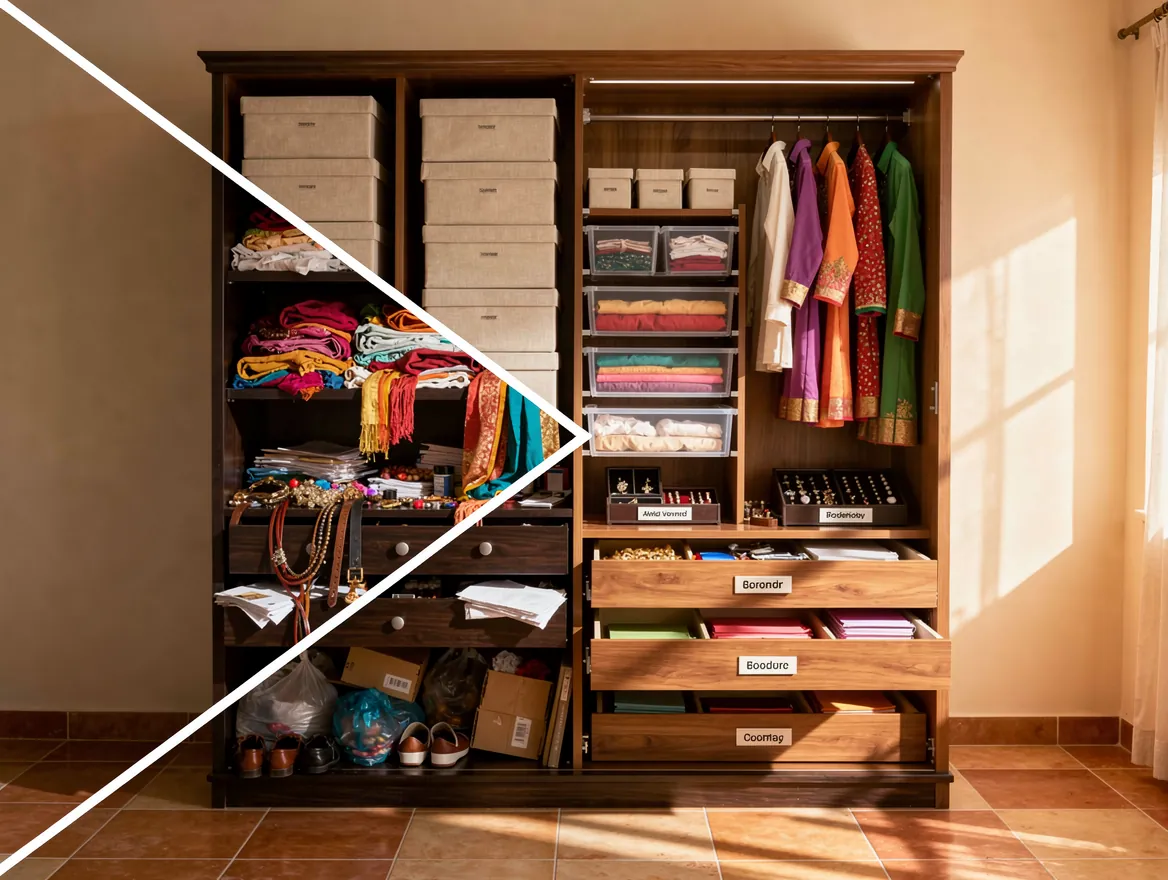
The same principles apply everywhere: one job per drawer, boxes that cover the floor, and the most-used things at the front. The details change from room to room.
Wardrobe and dresser drawers
- T-shirts and nightwear: file-fold them so they stand on edge in a row, and you'll see every one at a glance.
- Innerwear and socks: grid or honeycomb inserts, one item per cell.
- Dupattas and scarves: roll them and line them up in a long, narrow box.
- Belts and ties: roll them into individual cells.
- Jewelry and watches: a shallow drawer with velvet-lined trays, separated by type, so chains don't tangle.
For complete wardrobe set-ups, see our wardrobe organizer service.
Dressing table and makeup drawers
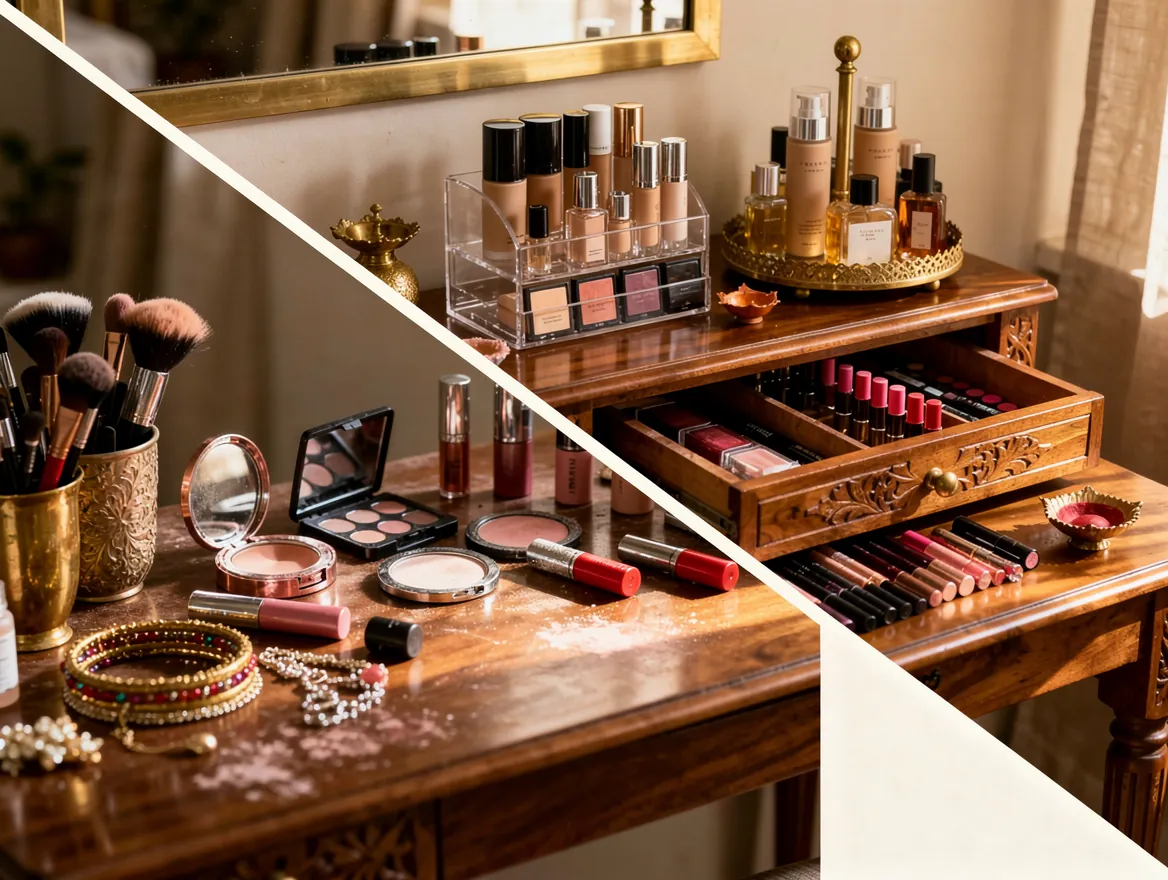
Shallow drawers work best for makeup: clear acrylic organizer boxes with lipsticks and pencils standing upright, compacts and palettes stored flat in a single layer, and skincare grouped by morning and evening routine. Keep one small box for products you're trying out and clear it every few months. Our makeup organizer and dressing table organizer services cover this in depth.
Kitchen drawers
Cutlery trays in the top drawer, a divided drawer for ladles and spatulas, a shallow drawer for foil, cling film and bags, and a deep drawer with dividers for plates or containers. Our separate guide to kitchen drawer organization walks through kitchen zones step by step.
Study and home office drawers
Small boxes for pens, sticky notes and clips in the top drawer, a deep drawer with upright files for papers, and a labeled box for chargers and cables. Our document organizer service sets up filing that lasts.
Kids' rooms
Plastic drawer units at a child's height work well, with one category per drawer and picture labels for children who can't read yet. Art supplies, building blocks and small toys each get their own drawer. See our kids room organizer service.
Bathroom vanity drawers
Use waterproof plastic boxes for daily toiletries and a separate box for medicines, checked for expiry dates every few months and kept out of children's reach. A liner you can lift out and wash makes spills easy to deal with.
The everything drawer
Every home has one. Keep it, but give it structure: small boxes for batteries, keys, tape, scissors and spare charging cables, and a rule that anything without a box belongs somewhere else.
Storage Drawers in Indian Homes and Bangalore's Climate
Bangalore's monsoon months bring the humidity that makes drawers stick and contents smell musty, and many Indian homes ask a single drawer to hold a surprising mix of things. A few habits keep storage drawers working all year.
Sticky drawers in the monsoon
Wooden and engineered-wood drawers can swell slightly in humid months and start to stick. Don't overload them, keep the unit away from damp walls, and rub a little candle wax along wooden runners if they drag. If a drawer sticks every monsoon, check whether water is getting in at the back or the base.
Keeping drawer contents dry
Closed drawers trap moisture. Make sure clothes are completely dry before they go in, tuck a silica gel packet into drawers that hold leather, silk, documents or silver jewelry, and replace it every 3–6 months. Cotton or paper liners breathe better than plastic sheets in clothing drawers.
Pests
Cockroaches like kitchen and bathroom drawers; silverfish like paper and fabric. Empty and wipe drawers whenever you reorganize, never store open snacks or crumbs, and use cedar blocks or dried neem leaves in clothing drawers.
Mixed-use drawers
In many Indian homes, the locker drawer of the bedroom almirah holds jewelry, documents, cash, medicines and keepsakes all together. Separate them with labeled boxes so a passport or a warranty card takes seconds to find, and keep important documents in a waterproof folder.
Runners, weight and safety
Put heavy things in the lowest drawers. Plastic runners wear out under weight, while metal ball-bearing runners and soft-close hardware last longer. Anchor tall chests of drawers to the wall so they can't tip forward if several drawers are pulled open at once.
Key takeaway: In humid months, drawers need dry contents, a little airflow and lighter loads to keep sliding smoothly.
Drawer Organization Mistakes to Avoid
These are the mistakes that most often undo a drawer storage organizer set-up, with the fix for each.
Buying organizer boxes before measuring
Boxes a few millimeters too tall catch on the drawer above; boxes too small leave gaps where things slide. Measure the inside of the drawer first.
Stacking clothes flat
In a drawer you see only the top of a flat stack. File-fold clothes so they stand on edge and every piece is visible.
Too many categories in one drawer
Every extra category adds a decision each time you open it. Give each drawer one job.
Overfilling
A packed drawer strains its runners, jams, and gets rummaged through instead of opened neatly. Leave about 20–30% free space.
Leaving gaps between organizers
Mismatched boxes with gaps between them shift every time the drawer moves. Plan a layout that fills the floor, or add a non-slip liner.
Ignoring drawer height
Tall bottles in a shallow drawer get laid down and roll; deep drawers holding a single layer waste space. Match contents to the drawer's height, or use stackable trays.
Heavy drawers at the top of a tall unit
Top-heavy drawer units can tip. Keep heavy things low.
Organizing Drawers Yourself vs Getting Professional Help
When DIY is enough
One or two drawers, a clear idea of what goes in them and an afternoon to measure, shop and set up: that's a very doable DIY project, and this guide covers what you need to know.
When a professional organizer helps
- Every drawer in the wardrobe, dresser and dressing table needs work at once.
- Drawers are shared by several family members with different habits.
- You've bought organizer boxes before and they didn't fit or didn't help.
- You're moving into a new home and want drawers planned before you unpack.
How Tidy Blueprints sets up drawers
Tidy Blueprints is a professional home organizing service in Bangalore, founded by Vidhi Gumber. When we organize wardrobes, dressing tables and kitchens, we assess the space, declutter with you, measure every drawer, choose organizer boxes and inserts that fit (and either source them or give you a shopping list), set everything up and show you how to keep it that way.
Explore our wardrobe organizer, makeup organizer and kitchen organization services, or book a virtual consultation if you'd like a plan to follow yourself. Your first online consultation is free.
Frequently Asked Questions About Storage Drawers
What is the difference between storage drawers and a drawer storage organizer?
Storage drawers are the drawer units themselves, such as a plastic drawer tower, a dresser or the drawers in a wardrobe. A drawer storage organizer goes inside a drawer: boxes, dividers or inserts that give each item its own place.
What size drawer organizer boxes should I buy?
Measure the inside width, depth and height of the drawer, then choose a set of mixed sizes that covers the floor without gaps. The boxes should be slightly lower than the drawer's inside height so they don't catch on the drawer or shelf above.
Are plastic storage drawers good for clothes?
Yes, for light everyday clothing, kids' clothes and innerwear. They are moisture-proof and washable, but don't overload them: heavy items bend thin plastic drawers and wear out the runners.
How do I stop things sliding around in a drawer?
Fill the drawer floor with organizer boxes or dividers so there are no gaps, and add a non-slip liner underneath. Fold or roll clothes so they stand upright and support each other.
How do I organize deep drawers?
Use adjustable dividers to create lanes for upright, file-folded clothes, or stackable trays to create two layers. Keep everyday things in the top layer and occasional ones underneath.
How should I organize a jewelry drawer?
Use shallow velvet-lined trays with compartments, separating earrings, rings, chains and bangles. Keep silver in a closed box with a silica gel packet or an anti-tarnish strip so it doesn't darken in humid months.
Why do my wooden drawers stick during the monsoon?
Wood and engineered wood absorb moisture and swell slightly in humid weather. Lighten the load, keep the unit away from damp walls and rub candle wax on wooden runners; sticking that never eases can mean water is getting in.
Can Tidy Blueprints set up drawer organizers for me?
Yes. As part of our wardrobe, makeup, kitchen and home organizing services in Bangalore, we measure your drawers, choose organizer boxes that fit and set them up with you. Outside Bangalore, we can plan your drawers with you over a virtual consultation.
Key Takeaways: Storage Drawers That Stay Organized
What to remember before you buy another drawer unit or a set of organizer boxes.
Organize Before You Add Drawers
Most drawer problems need structure inside, not more drawers. Try organizer boxes and dividers before buying a new unit.
Compare drawer organizer optionsMeasure the Inside, Not the Front
Inside width, depth and height, plus the clearance below the drawer above, decide which organizer boxes will fit.
Follow the step-by-step methodOne Job Per Drawer
Give each drawer a single category, file-fold clothes so they stand upright, and keep drawers about 70–80% full.
See drawer ideas by roomLet a Professional Set It Up
Tidy Blueprints measures, sources and sets up drawer organizers as part of wardrobe, dressing table and kitchen organizing in Bangalore.
Explore our wardrobe organizer serviceMore Storage Product Guides
Storage Trays Guide
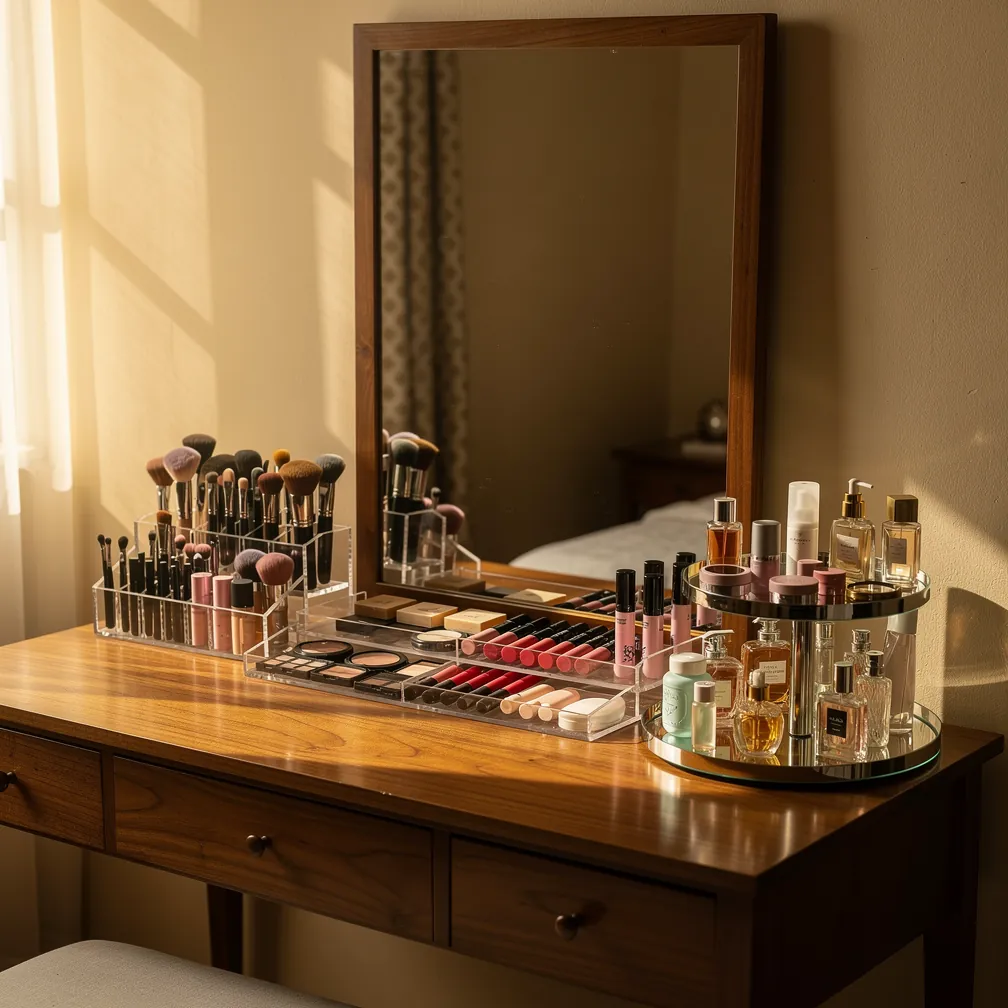
Divided, stackable, pull-out and turntable trays for vanities, kitchens, desks and wardrobes, with materials compared for humid months.
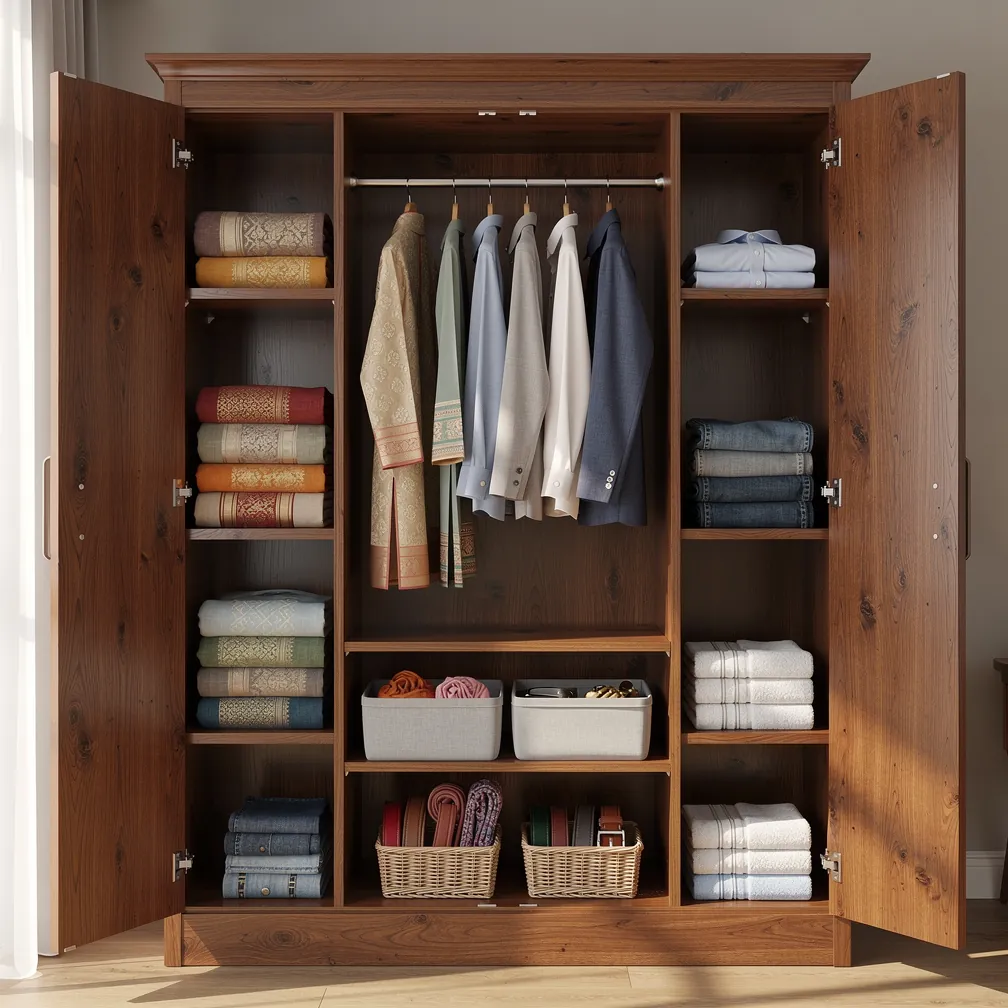
Storage Cupboards Guide
Steel almirahs, wooden, modular, plastic and fabric cupboards compared, plus how to set up an organised cupboard by zones.
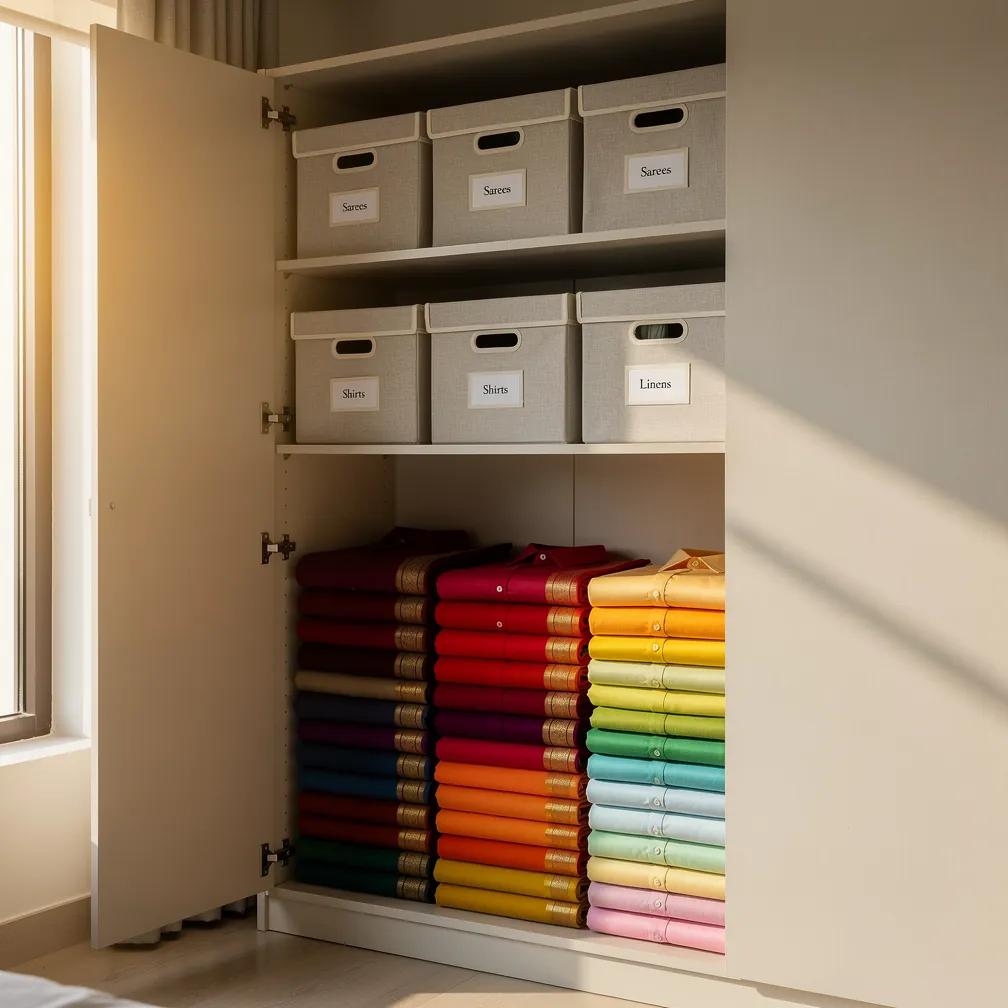
Cupboard Storage Boxes Guide
Plastic, fabric, wicker and foldable boxes for cupboard shelves, with sizing, labelling and stacking advice.
Want Every Drawer Organized Without the Guesswork?
Tidy Blueprints' professional organizers measure, plan and set up drawers in wardrobes, dressing tables and kitchens across Bangalore, and plan them with clients elsewhere over video call. Your first online consultation is free.