Home Organization Products: Organizer Boxes & Storage Organisers
A professional organiser's guide to choosing the right storage solutions for every room — from organiser boxes and shelf dividers to complete wardrobe systems for Indian homes.
Jump to section
Why Home Organization Matters More Than You Think
Most people don't realise how much disorganisation costs them — until they add it up. The average person spends 2.5 days every year searching for lost items. One in nine women report being late for work because they couldn't find a part of their outfit. And 70% of people say a clutter-free home is key to a successful year.
These aren't just statistics. They're hours of your life you'll never get back — time that could be spent with family, on your work, or simply relaxing in a home that feels calm rather than chaotic.
The global home organisation products market was valued at USD 14.27 billion in 2025 and continues to grow — but here's the truth that most product pages won't tell you: buying organisers without a plan is the single biggest mistake people make.
The Hidden Costs of a Disorganised Home
A cluttered home doesn't just look bad. It costs you in ways you might not expect:
- Time: 2.5 days per year lost to searching for misplaced items — that's nearly a full work week.
- Money: Reb buying items you already own but can't find. Late fees from misplaced bills. Impulse purchases to replace things buried in cupboards.
- Stress: Studies consistently link clutter to elevated cortisol levels. A disorganised home creates decision fatigue — every drawer you open adds another tiny decision to your mental load.
- Space: 80% of home clutter results from disorganisation, not lack of space. You probably don't need a bigger home — you need a better system.
Decluttering vs. Organising: What's the Difference (and Why Both Matter)
This is the most misunderstood concept in home organisation, and getting it wrong is why most people's organising efforts fail.
Decluttering is removing what you don't need. It's the hard part — the emotional work of deciding what stays and what goes. Organising is arranging what remains so everything has a home. It's the satisfying part — the boxes, the labels, the systems.
Here's the critical insight: you cannot organise clutter. Buying organiser boxes for items you should have discarded just creates neatly stacked clutter. Professional organisers — including our team at Tidy Blueprints — always start with decluttering. The products come second.
The golden rule of home organisation: Declutter first, measure second, buy third. Skip any step and you'll be reorganising again within six months.
This guide will walk you through every product type, how to choose the right ones for your space, common mistakes to avoid, and when it makes sense to bring in a professional. Let's start with the products themselves.
Types of Home Organization Products: A Room-by-Room Guide
There are hundreds of home organisation products on the market. Our team at Tidy Blueprints has tested most of them across real Bangalore homes — and we've learned that the right product for the right space makes all the difference. Here's what works, room by room.
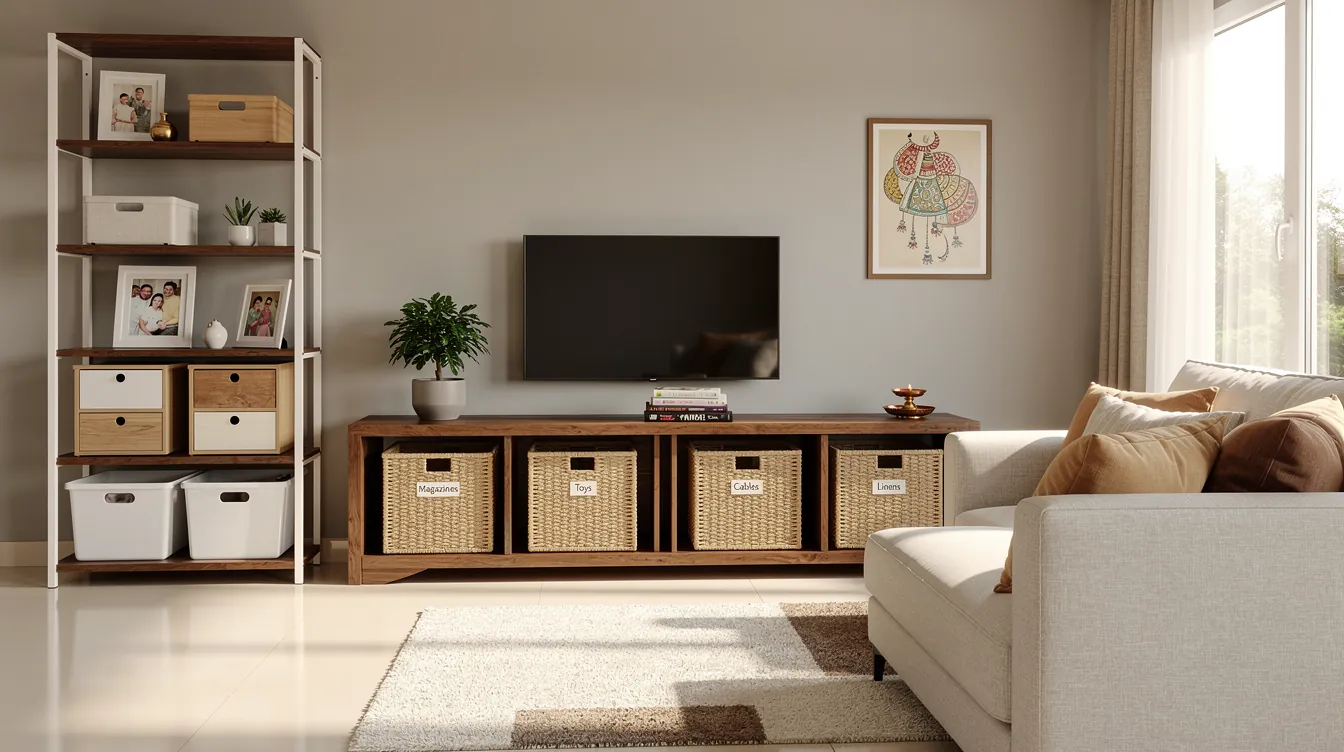
Living Room Storage Organisers
The living room is the most visible space in your home and often the most cluttered. Key products that make a difference:
- TV unit organisers: Cable management boxes, remote control caddies, and media storage baskets that keep entertainment centres tidy without sacrificing accessibility.
- Shelf organisers and dividers: Acrylic or wooden dividers that create zones on open shelves — separate books from decor, photo frames from plants.
- Basket systems: Woven baskets or fabric bins that slide onto lower shelves to hide toys, blankets, and everyday clutter. In Indian homes, jute and seagrass baskets blend beautifully with traditional decor.
- Coffee table trays: A simple tray corrals remotes, coasters, and candles into one intentional arrangement rather than scattered chaos.
- Bookcase organisers: Modular cube systems like IKEA KALLAX are popular in Bangalore apartments — pair them with fabric drawer inserts and labelled bins for a clean, custom look.
Bedroom & Wardrobe Organisers
Your wardrobe is likely the most-used storage system in your home. The right organisers can double your usable space:
- Drawer dividers: Adjustable dividers that create dedicated sections for socks, undergarments, accessories, and folded t-shirts. Bamboo and felt dividers work best in Indian humidity.
- Hanging organisers: Fabric shelves that hang from the closet rod — perfect for handbags, folded jeans, and seasonal items. Look for reinforced stitching at the hook points.
- Shelf organisers: Stackable shelf risers that create two levels in one shelf space. Essential for Indian almirahs with deep, fixed shelves.
- Under-bed storage: Flat rolling bins on castors that use the most underutilised space in any bedroom. Choose ones with clear lids so you can see what's inside without pulling them out.
- Shoe racks: Stackable, expandable racks that fit Indian footwear — from kolhapuris to sneakers. Over-door shoe organisers save floor space in compact bedrooms.
Specialty Storage for Indian Ethnic Wear: Sarees, Lehengas, and Dupattas
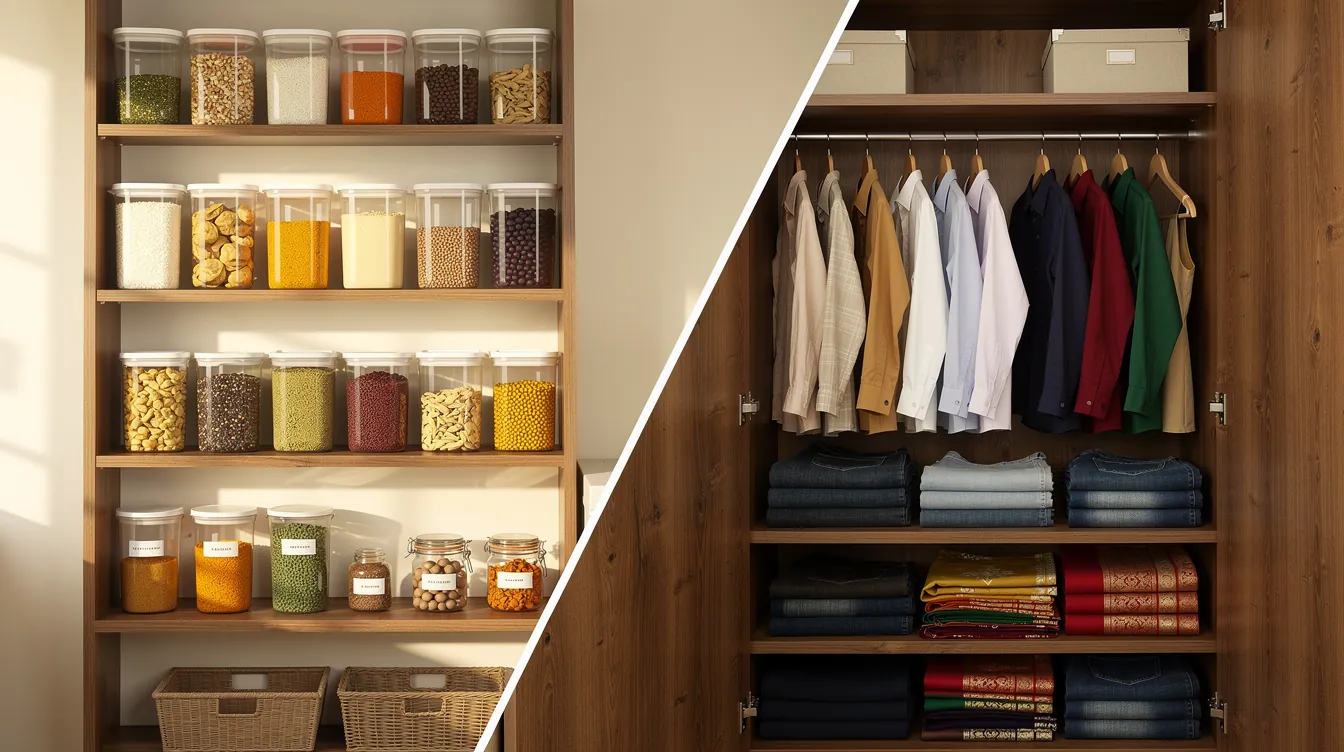
Indian wardrobes have unique needs that Western organisation guides rarely address. Sarees require hanging storage to prevent creasing — padded hangers with clips keep them secure without snagging delicate borders. Lehengas and heavy embroidered pieces need breathable garment bags, never plastic covers which trap moisture and cause mildew in Bangalore's humid months. Dupattas fold best in clear drawer organisers so you can see the colour and fabric at a glance. A dedicated saree organiser with individual compartments — one per saree, labelled by occasion — transforms a chaotic pile into a boutique-style display.
Kitchen Organisers for Indian Homes
Indian kitchens present unique storage challenges: multiple大小的 vessels, extensive spice collections, pressure cookers, and large atta and grain containers. The right organisers make all the difference:
- Masala and spice storage: Wall-mounted magnetic spice racks or tiered drawer inserts keep masalas visible and accessible. Round, labelled jars with airtight seals protect against humidity and preserve flavour longer than open racks.
- Vessel organisers: Stackable pan organisers with adjustable dividers prevent the dreaded 'lid avalanche' when you open a cabinet. Vertical holders for thalis and serving plates save horizontal space.
- Cutlery and utensil trays: Expandable bamboo or stainless steel trays that fit the exact width of your drawer. Look for deep compartments for ladles and shallow ones for spoons.
- Pantry and dry storage: Airtight containers in uniform sizes for atta, rice, dal, and sugar. Square containers waste less space than round ones. Pull-out baskets in lower cabinets make deep storage accessible without bending.
- Under-sink organisers: Two-tier sliding shelves that work around plumbing — store cleaning supplies, extra scrubbers, and bin liners without the chaos.
- Fridge organisers: Clear acrylic bins that group similar items (dairy in one, chutneys and pickles in another). They pull out like drawers so nothing gets lost at the back.
Bathroom & Dressing Table Organisers
Small spaces with lots of small items — bathrooms and dressing tables benefit enormously from the right organisers:
- Countertop trays: Acrylic or marble-look trays that group skincare, makeup, and daily essentials into intentional vignettes rather than scattered clutter.
- Under-sink storage: Stackable drawers on risers that fit around the plumbing — dedicate one drawer to haircare, one to skincare, one to backups.
- Cabinet organisers: Over-the-door racks and shelf risers that double the usable space inside a standard bathroom cabinet.
- Makeup organisers: Clear acrylic drawers with custom compartments for lipsticks, brushes, palettes, and compacts. Rotating carousel organisers give 360-degree access on a dressing table. Tidy Blueprints specialises in makeup and cosmetic tray organisation — a service that transforms morning routines.
- Brush and tool holders: Divided cups or magnetic strips for makeup brushes, tweezers, and small tools — keeps them clean, visible, and easy to grab.
Kids Room & Home Office Organisers
These spaces have different demands — durability for kids, accessibility for productivity:
- Toy storage systems: Low, open bins that toddlers can access independently. Picture labels on each bin teach kids where things belong. Rotating storage — keeping some toys out and some away — prevents overwhelm.
- Book storage: Forward-facing book ledges that display covers rather than spines — far more inviting for young readers. Cube shelving with a mix of books and fabric bins.
- Desk organisers: Multi-compartment pen holders, tiered paper trays, and cable management clips that keep a home office desk functional rather than frustrating.
- Document organisers: Expanding file folders, desktop filing trays, and labelled magazine holders. Tidy Blueprints offers dedicated document organisation services for professionals drowning in paperwork.
- Craft supply management: Stackable clear containers with dividers for beads, threads, paints, and paper. A rolling cart with labelled drawers keeps supplies mobile and contained.
How to Choose the Right Storage Organisers for Your Space
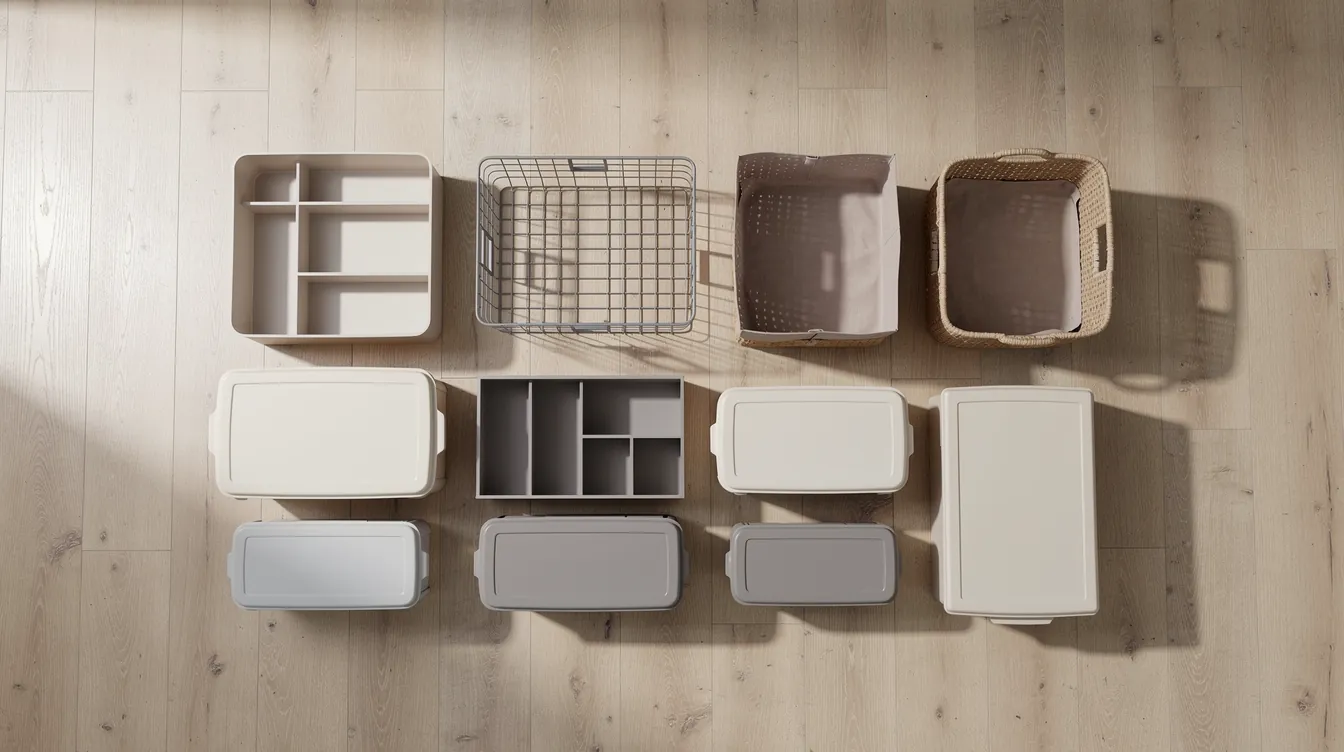
Walking into a home organisation store (or scrolling through pages of products online) is overwhelming. Hundreds of options, dozens of materials, and no clear way to know what will actually work in your home. After organising hundreds of Bangalore homes, here's the framework we use at Tidy Blueprints to make the right choice every time.
Measure First, Buy Second: The Golden Rule of Organising
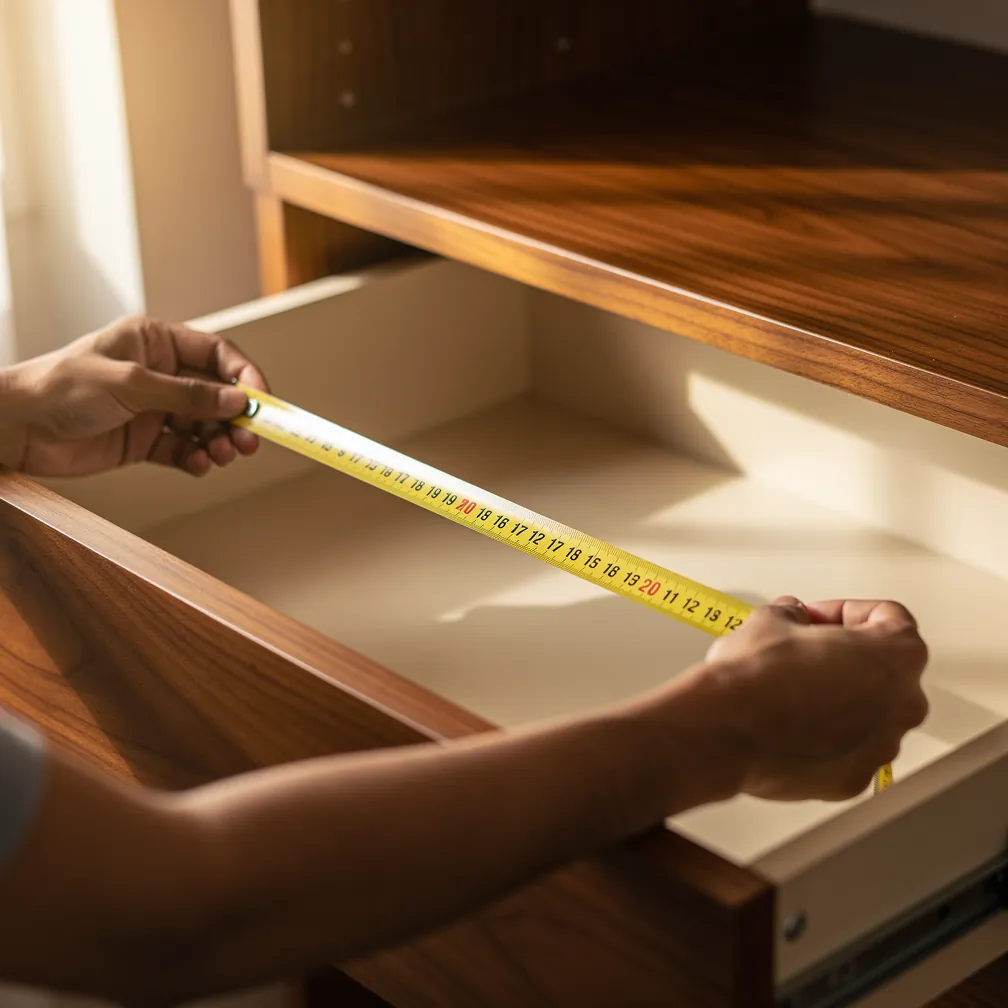
This is where most people go wrong — and it's an expensive mistake. You find a beautiful organiser online, it arrives, and it doesn't fit. The drawer is 2 cm too shallow. The shelf has a lip that blocks the basket from sliding out. The cupboard depth that looked generous turns out to be half taken by a hidden pipe.
Before you buy anything, measure:
- Depth: Measure the usable depth of every shelf and drawer — from the back wall to the front edge, minus any hinges or obstructions. Indian almirahs often have deeper shelves than Western furniture, so standard-sized organisers may sit awkwardly.
- Height: Measure the clear vertical space. Leave at least 2–3 cm of clearance above containers so you can lift items out without tilting.
- Width: Measure the full internal width. Account for shelf brackets, centre supports, and any unevenness in older furniture.
- Special obstructions: Note pipes under sinks, angled walls, skirting boards, and electrical outlets that reduce usable space.
Write these measurements down — all of them, for every space you plan to organise. Yes, it's tedious. Yes, it prevents you from buying organisers that end up in your own 'miscellaneous storage' pile.
Material Guide: What Works Best in Indian Homes
Indian homes face conditions that Western organisation guides rarely address: high humidity for 4–6 months a year, fine dust that settles everywhere, and temperature swings that affect material durability. Here's what holds up:
| Material | Best For | Durability in Indian Climate | Price Range |
|---|---|---|---|
| Bamboo | Bedroom drawers, shelf dividers, decorative baskets | Excellent — naturally moisture-resistant and doesn't warp easily | ₹300–₹1,500 |
| Jute / Seagrass | Living room baskets, decorative storage | Good — breathable and resists mould better than fabric; may shed fibres over time | ₹200–₹800 |
| Fabric (canvas, felt) | Wardrobe hanging organisers, under-bed storage, drawer inserts | Moderate — choose synthetic blends for humidity resistance; pure cotton can mildew | ₹150–₹1,000 |
| BPA-Free Plastic | Kitchen pantry, bathroom organisers, fridge bins | Excellent — waterproof, easy to clean, doesn't absorb odours | ₹99–₹2,000 |
| Stainless Steel | Kitchen vessels, wet-area storage | Excellent — rust-resistant (304-grade); avoid 202-grade which corrodes within months | ₹500–₹3,000 |
| Wood (Sheesham, Mango) | Living room display shelves, decorative boxes | Good — needs periodic polishing in humidity; avoid MDF and particleboard in kitchens and bathrooms | ₹800–₹5,000 |
| Glass | Kitchen pantry jars, bathroom countertop | Excellent — non-porous, doesn't stain or absorb odours; heavier and more fragile than plastic | ₹200–₹1,500 |
Our recommendation for Indian homes: Use bamboo, stainless steel, and BPA-free plastic for functional storage (kitchen, bathroom, wardrobe interiors). Use jute, seagrass, and wood for decorative storage in living areas. Avoid cheap plastic and MDF — they cost less upfront but crack, warp, or mould within a single monsoon season.
Making the Most of IKEA Storage Systems
IKEA dominates the Indian home organisation market — and for good reason. Products like PAX wardrobes, KALLAX shelving, SAMLA boxes, and SKUBB organisers are affordable, modular, and widely available in Bangalore. But IKEA's own product pages don't tell you how to actually use them effectively. Here's what we've learned from installing and optimising IKEA systems in real Indian homes:
- PAX Wardrobe Systems: The default PAX configuration wastes about 30% of vertical space. Adding extra shelves and double hanging rods transforms a single PAX frame into storage for two people. Use SKUBB drawer inserts inside PAX drawers to subdivide categories — one drawer can hold workout wear, loungewear, and swimwear in separate labelled sections.
- KALLAX Shelving: KALLAX cubes are 33 cm square — perfect for fabric storage bins but awkward for anything taller. Use the 2×4 KALLAX horizontally as a TV unit with some cubes open for display and others filled with matching fabric boxes. The 4×4 KALLAX makes an excellent room divider in open-plan Bangalore apartments — style the front side for the living area, use the back side for bedroom storage.
- SAMLA Boxes: These clear plastic boxes are workhorses — but the lids don't seal against humidity unless you add a silicone gasket strip (available at any Bangalore hardware store for under ₹100). Label the short end, not the lid, so you can read the label when boxes are stacked.
- SKUBB Organisers: The fabric SKUBB series is ideal for wardrobes — but the hanging shelves sag if overloaded. Keep each compartment under 2 kg. Use the shoe boxes for handbag storage — they're the perfect size for clutches and small purses.
Tidy Blueprints offers a dedicated IKEA organisation service — we design, source, and install complete IKEA storage systems customised to your home. If you've ever spent a Sunday afternoon surrounded by IKEA flat-packs and allen keys wondering why the 'simple' system isn't coming together, we can help.
5 Home Organization Mistakes to Avoid Before You Buy
We've walked into hundreds of Bangalore homes where the owners had already spent ₹5,000–₹15,000 on organisers — and none of them were working. The products weren't bad. They were just bought at the wrong time, in the wrong size, or for the wrong reason. Here are the five mistakes we see most often, and how to avoid them.
Mistake 1: Shopping Before Decluttering
This is the number one mistake, and it's almost universal. You feel motivated to get organised, so you order a set of pretty storage boxes online. They arrive. You start filling them — and realise half your cupboard contents are things you haven't used in two years.
Organisers cannot fix a clutter problem. They can only contain what you've already decided to keep. If you fill a box with items you don't need, you haven't organised — you've just put clutter in a nicer container.
The fix: Before you spend a single rupee on organisers, do a decluttering pass. Take everything out of the space. Sort into four piles: keep, donate, relocate (belongs in another room), discard. Only buy organisers for what remains in the 'keep' pile. You'll be surprised how much less storage you actually need.
Mistake 2: Not Measuring Your Spaces
Organisers come in standard sizes. Indian homes do not. Those beautiful drawer dividers that looked perfect in the product photo? They're 2 cm too wide for your almirah drawer. The shelf riser that promised to double your space? It's 5 cm taller than your shelf clearance.
We've seen the 'drawer of shame' in countless homes — a drawer filled with organisers that didn't fit anywhere else, waiting for a space that doesn't exist.
The fix: Measure every space before you shop. Write down the internal depth, height, and width of every drawer, shelf, and cabinet. Check for obstructions like hinges, brackets, and uneven walls. Keep this measurement list on your phone when you browse products — online or in-store.
Mistake 3: Choosing Aesthetics Over Function
Instagram and Pinterest have a lot to answer for. Beautiful open baskets, colour-coordinated everything, perfectly styled shelfies — they look gorgeous in photos and completely impractical in daily life.
In Indian homes, open baskets collect dust within 48 hours. White fabric organisers show every mark. Glass jars on open kitchen shelves get coated in a fine layer of cooking oil residue. An organiser that's beautiful but impractical will frustrate you every single day.
The fix: Choose function first, aesthetics second. For kitchens, enclosed storage beats open display. For wardrobes, darker fabrics hide dust and wear better than white. For living rooms, closed baskets protect contents from dust while still looking warm and intentional. A practical organiser that you actually use is infinitely better than a beautiful one you resent.
Mistake 4: Ignoring Material Durability
That ₹99 plastic drawer organiser looks like a steal — until it cracks three months later. The fabric bin that seemed perfect develops mildew spots after one monsoon season. The MDF shelf organiser swells and warps the first time humidity spikes.
Cheap organisers are a false economy. You'll replace them within a year, spending more in total than if you'd bought quality once.
The fix: Invest in materials suited to Indian conditions. Bamboo and stainless steel for kitchens and bathrooms. BPA-free thick plastic (not the flimsy translucent kind) for pantry storage. Canvas with synthetic blends for wardrobe organisers. Spend ₹300–₹500 per organiser rather than ₹99 — the durability difference is dramatic. A ₹300 organiser that lasts three years costs ₹8 per month. A ₹99 one that lasts three months costs ₹33 per month.
Mistake 5: Trying to Organise Everything at Once
You've decluttered. You've measured. You've bought quality organisers. Now you're going to transform your entire home in one weekend. By Sunday evening, your living room looks like a storage warehouse exploded, you're exhausted, and nothing is actually organised.
This is the overwhelm trap — and it's why many people give up on organisation entirely.
The fix: Organise one zone at a time. Start with the space that causes you the most daily frustration — usually the kitchen or the wardrobe. Complete that zone fully before moving to the next. Professional organisers work this way for a reason: a single fully-organised space gives you momentum and proof that the system works. A dozen half-organised spaces just gives you anxiety.
If you're reading this and thinking "I've made at least three of these mistakes" — you're in good company. Most people do. That's why professional organisers exist: to help you skip the trial-and-error and get to a home that works.
DIY Organisation vs. Hiring a Professional: What's Right for Your Home?
At some point, everyone organising their home asks this question: should I do this myself, or bring in a professional? The answer depends on your situation — and being honest about it saves you time, money, and frustration.
When DIY Makes Sense
DIY organisation works well in these scenarios:
- Single-zone projects: Organising one drawer, one shelf, or one small cupboard is entirely manageable on your own. You can measure, shop, and set up a system in an afternoon.
- You enjoy the process: Some people genuinely love organising — the sorting, the labelling, the satisfaction of a perfectly arranged drawer. If that's you, DIY is genuinely fun.
- Budget is the primary constraint: If professional services aren't in your budget right now, a well-planned DIY project — following the principles in this guide — will still deliver meaningful results. Start small, use quality organisers, and build room by room.
- You have a clear, simple space: A standard-sized cupboard with no quirks, a straightforward drawer layout, a predictable shelf depth — these spaces don't need expert intervention.
Realistic time commitment: A single wardrobe, done properly (declutter → measure → shop → install → style), takes most people 8–12 hours spread over two weekends. A full kitchen: 15–20 hours. Be honest about whether you have that time.
When a Professional Organiser Is Worth the Investment
Professional help pays for itself — in time saved, mistakes avoided, and results that last — when:
- You're organising a whole home or multiple rooms: The complexity multiplies with each additional space. A professional designs a cohesive system across rooms so your kitchen organisers make sense with your pantry, your wardrobe system complements your dressing table, and nothing feels disconnected.
- You're moving into a new home: The best time to set up organisation systems is before you unpack. A professional can design your storage from day one — preventing the chaos that accumulates over years of "I'll organise that later." Tidy Blueprints specialises in new home organisation.
- You've tried DIY and it didn't stick: If you've reorganised the same cupboard three times and it's still a mess, the system — not you — is the problem. A professional identifies the root cause (wrong products, wrong layout, wrong workflow) and fixes it permanently.
- You have specialty items: Extensive saree collections, large makeup inventories, complex kitchen setups, home offices with years of paperwork — these need custom solutions that generic product guides don't cover.
- You value your time above all else: A professional team can organise a full kitchen in a day — work that would take you weeks of evenings and weekends. If your evenings and weekends matter more to you than a DIY project, hiring a professional simply makes sense.
What to Expect from Professional Home Organising Services in Bangalore
If you've never worked with a professional organiser, here's how the process typically works:
- Consultation: The organiser visits your home (or does a video call) to understand your spaces, your pain points, and your goals. They'll ask about your daily routines, what's working and what isn't, and what you want your home to feel like.
- Decluttering: Together, you go through the space — deciding what to keep, donate, or discard. A good organiser guides this process without judgment. They've seen everything.
- System Design: The organiser designs a custom storage plan — which products go where, how zones should flow, what labelling system makes sense for your household. They account for Indian home quirks: uneven walls, deep almirahs, seasonal rotation needs.
- Product Sourcing: The organiser recommends specific products (or sources them for you) in the exact sizes and materials your spaces need. No returns, no wrong sizes, no wasted money.
- Implementation: The team installs everything — shelves, dividers, boxes, labels — and styles the space so it looks as good as it functions.
- Maintenance Guidance: Before they leave, the organiser teaches you (and your family) how to maintain the system. Most professional organisers offer follow-up visits to check that everything is holding up.
Tidy Blueprints offers all 12 of these specialised services across Bangalore — from wardrobe and kitchen organisation to makeup, kids' rooms, and document management. We serve Sarjapur Road, Whitefield, Koramangala, Indiranagar, and surrounding areas.
2026 Home Organisation Trends for Indian Homes
Home organisation is evolving. The trends shaping 2026 aren't about buying more products — they're about smarter systems, sustainability, and designing spaces for how real people actually live. Here's what's changing and how it applies to Indian homes.
Neurodivergent-Friendly Organisation Systems
One of the most important shifts in 2026 is the recognition that "standard" organisation advice doesn't work for everyone. People with ADHD, autism, and other neurodivergent conditions often struggle with traditional organising methods — out-of-sight storage leads to "out of mind," complex categorisation systems feel overwhelming, and maintaining a perfectly styled space requires executive function that isn't always available.
The new approach: visible, simplified, routine-based systems.
- Clear containers replace opaque boxes — if you can see what's inside, you don't have to remember. Open shelves with labelled clear bins work better than closed cabinets for people who need visual cues.
- Fewer categories, broader zones — instead of 12 subcategories, group items into 3–4 broad zones. A "morning routine" bin that holds everything you need to get ready is more functional than separate organisers for skincare, haircare, and makeup.
- Routine-anchored organisation — systems built around daily habits rather than perfect aesthetics. A "drop zone" basket by the door for keys, wallet, and phone. A "launch pad" shelf with tomorrow's outfit, bag, and essentials laid out the night before.
These approaches benefit everyone, not just neurodivergent individuals. They're practical, forgiving systems that acknowledge real life is messy.
Multi-Functional Furniture for Hybrid Homes
The pandemic-era shift to hybrid work is permanent — and Indian homes have adapted in creative ways. The living room that doubles as an office. The bedroom corner that's now a workout space. The dining table that hosts Zoom calls by day and family dinners by night.
Organisation in 2026 means furniture that does double duty:
- Storage ottomans and benches — seating that opens to reveal blanket storage, shoe storage, or office supply stashes.
- Fold-down wall desks — a full workspace that folds flat against the wall when not in use, with built-in shelving for files and supplies.
- Murphy beds with integrated storage — wall beds that include shelving, drawers, and even fold-out desks, transforming a bedroom into a multi-use room during the day.
- Modular shelving on castors — movable storage units that can divide a room, create a temporary workspace, then roll away when you need the floor space back.
Sustainable & Natural Material Organisers
Sustainability has moved from buzzword to buying criterion. Indian consumers are increasingly choosing organisers made from renewable, biodegradable materials — and the market is responding.
- Bamboo is the standout material for 2026: fast-growing, durable in humidity, and available locally. Bamboo drawer dividers, shelf risers, and storage boxes are replacing plastic across Indian homes.
- Jute and seagrass baskets — already common in Indian decor — are being designed with better structure and finishing for functional storage, not just decorative use.
- Recycled plastic organisers from Indian brands like IKIRU and Mason Home offer durability without the environmental guilt of virgin plastic.
- Modular, repairable designs — organisers designed to be reconfigured rather than replaced when your needs change. Interlocking bamboo modules, adjustable metal shelf systems, fabric bins with replaceable liners.
The shift toward sustainable organisers isn't just about ethics — these materials often hold up better in Indian climate conditions than cheap plastic alternatives. A bamboo drawer divider that lasts 10 years is more affordable (and far less wasteful) than replacing plastic ones every 18 months.
Frequently Asked Questions About Home Organisation Products
What are the different types of home organisers?
Home organisers fall into several broad categories: **storage boxes** (lidded containers for cupboards and shelves), **drawer organisers** (adjustable dividers that create compartments inside drawers), **shelf organisers** (risers, dividers, and baskets that maximise shelf space), **hanging organisers** (fabric shelves that hang from wardrobe rods or over doors), **basket systems** (woven or fabric bins for open shelving), and **modular units** (cube systems like IKEA KALLAX with matching inserts). The right type depends on what you're storing and where — see our room-by-room guide above for specific recommendations.
Which material is best for storage organisers in the Indian climate?
**Bamboo** and **stainless steel (304-grade)** are the best all-rounders for Indian homes — both resist humidity and last for years. **BPA-free plastic** works well in kitchens and bathrooms where moisture is constant. **Jute and seagrass** are excellent for living areas — breathable, mould-resistant, and compatible with Indian decor. **Avoid**: cheap plastic (cracks within months), MDF/particleboard (warps in humidity), and pure cotton fabric (mildews during monsoon). Each material has ideal use cases — see our material guide in the 'How to Choose' section for a detailed comparison.
Can organisers really save space in a small apartment?
Yes — but only if you use vertical space and under-utilised zones. In a typical Bangalore 2BHK, effective organisers can reclaim 20–30% of existing storage capacity. The key strategies: **vertical storage** (shelf risers, stackable bins, over-door organisers), **under-utilised zones** (under-bed rolling storage, over-cabinet baskets, windowsill organisers), and **multi-functional organisers** (storage ottomans, fold-down desks with built-in shelving). The most dramatic transformations happen in kitchens and wardrobes — the two spaces where professional organisers consistently double usable capacity.
How much do home organisation products cost in India?
Prices vary widely by material and quality: **basic organisers** (simple plastic bins, fabric drawer inserts): ₹99–₹500 per piece. **Mid-range** (bamboo dividers, quality plastic boxes with good seals, jute baskets): ₹500–₹2,000. **Premium** (solid wood shelving, custom-sized organisers, stainless steel systems): ₹2,000+. Our recommendation: invest ₹300–₹500 per organiser for functional daily-use items (kitchen, wardrobe). A ₹300 bamboo drawer divider that lasts 3+ years costs less per month than a ₹99 plastic one that breaks in 3 months. For a full kitchen organisation, expect to spend ₹3,000–₹8,000 on quality organisers; for a wardrobe, ₹2,000–₹5,000.
How do I organise my home if I have too many things?
Start with decluttering, not organising. Use the **4-box method**: take everything out of the space and sort into Keep, Donate, Relocate (belongs elsewhere), and Discard. Be honest — if you haven't used it in a year, you probably don't need it. Once you've decluttered, organise what remains using the principles in this guide (measure, choose quality materials, one zone at a time). If decluttering feels emotionally overwhelming — and for many people it does — a professional organiser provides non-judgmental guidance through the process. You don't have to do it alone.
Do professional home organisers work in Bangalore?
Yes — Bangalore has a growing community of professional home organisers, including Tidy Blueprints. Professional organising services typically include: in-home consultation, decluttering assistance, custom storage system design, product sourcing and installation, and maintenance guidance. Services range from single-room projects (one wardrobe, one kitchen) to whole-home transformations and new-home setup. Tidy Blueprints serves all of Bangalore — from Sarjapur Road to Whitefield, Koramangala, Indiranagar, and beyond — with 12 specialised organising categories including wardrobe, kitchen, makeup, saree, kids' room, and IKEA organisation.
Key Takeaways: Your Home Organisation Journey
You now have the knowledge to choose the right products, avoid common mistakes, and build systems that last. Here's what to do next.
You Know the Products
You understand what works in each room — from kitchen organiser boxes to wardrobe systems and shelf dividers. The right product in the right place transforms a space.
Browse Product GuidesYou Know the Mistakes to Avoid
No more buying before decluttering, skipping measurements, or choosing aesthetics over function. You're equipped to make every organising rupee count.
Read the Guide AgainDIY or Professional Help?
You have a framework to decide. Small single-zone project? DIY works. Whole home, new setup, or specialty items? Professional help pays for itself in time and results.
Explore Our ServicesStart With One Room
Pick the space that frustrates you most. Declutter first. Measure everything. Then build a system that works for how you actually live — not for Instagram.
Book a Free Online ConsultationMore Guides Like This
Home Organization Ideas & Expert Tips
Practical organisation ideas for every room — from quick weekend projects to complete home transformations, with professional insights from the Tidy Blueprints team.
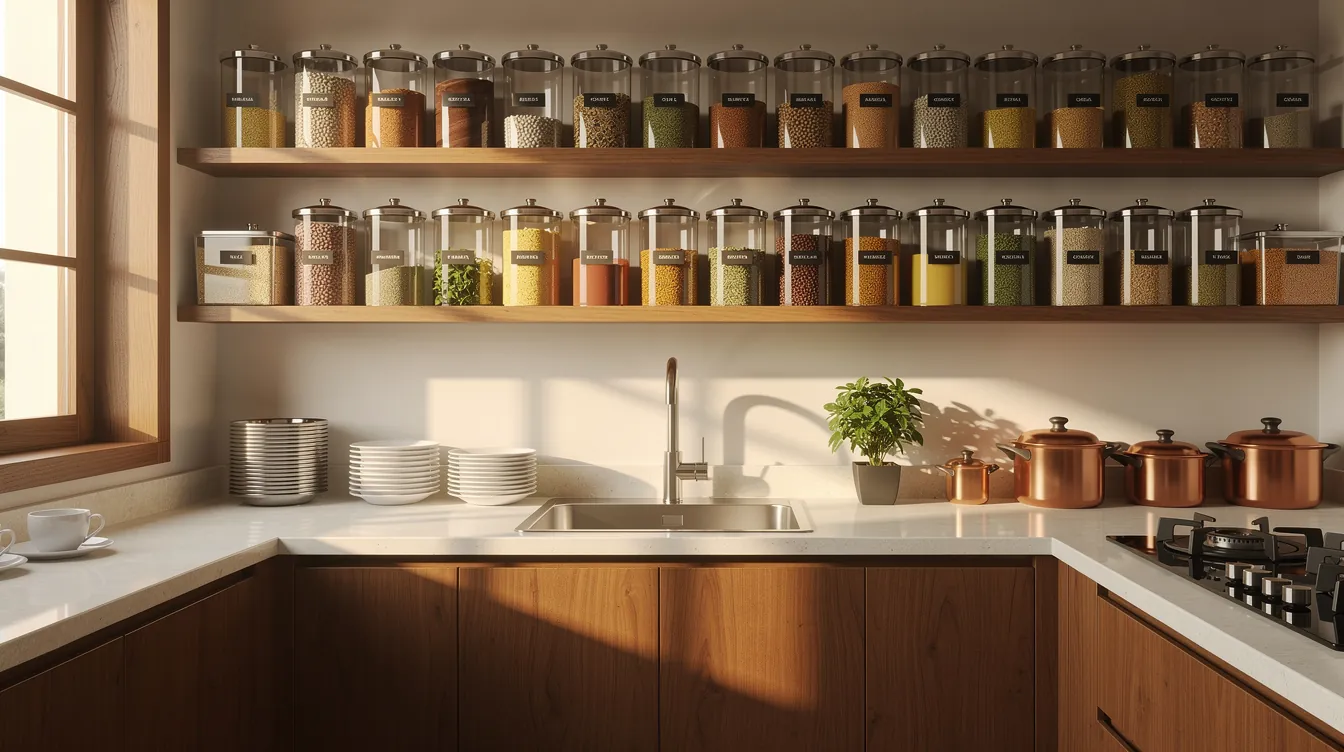
Kitchen Organisation Ideas: A Complete Guide
A step-by-step guide to creating a tidy, functional kitchen — covering decluttering, zone planning, storage products, and when to call a professional organiser.
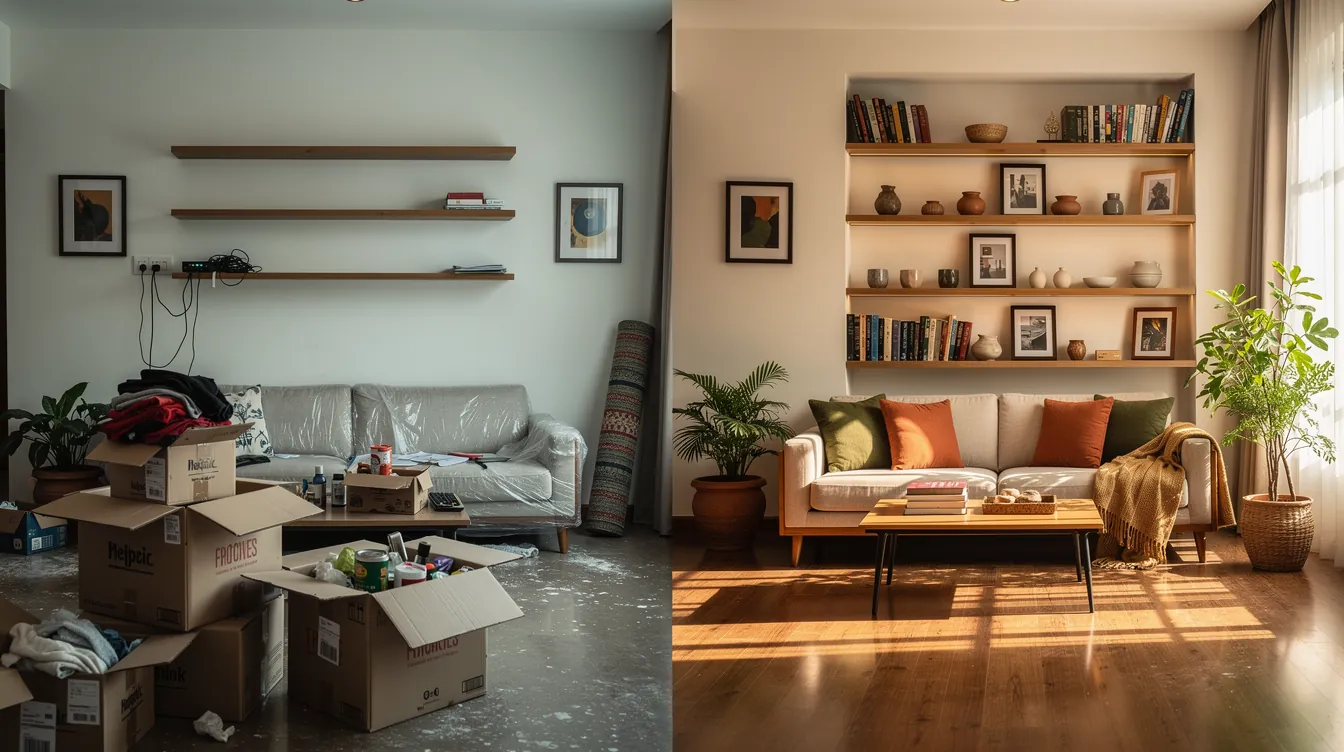
Declutter House: A Complete Guide
Learn the decluttering-first methodology that professional organisers use before any product enters the picture — the essential first step to an organised home.
Explore In-Depth Product Guides
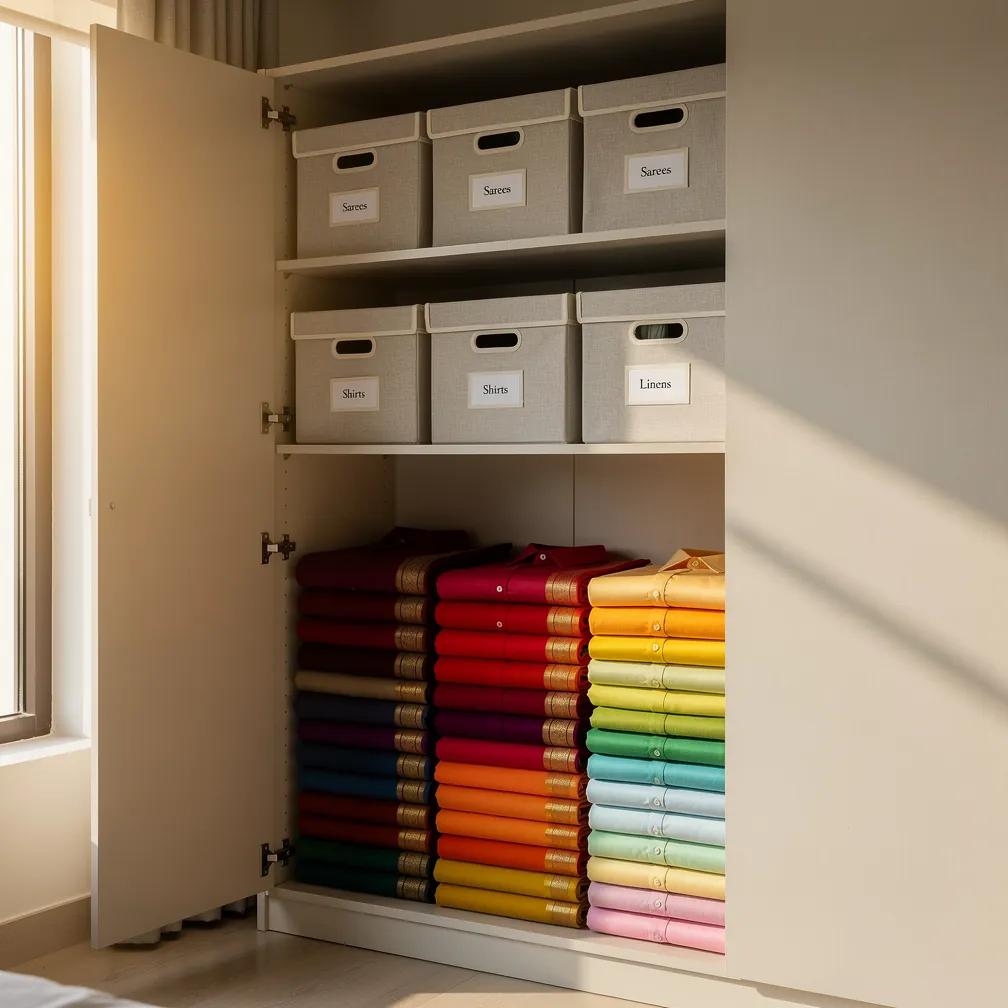
Cupboard Storage Boxes: The Complete Guide
Choose, organise, and maintain the right storage boxes for every cupboard in your home — with expert guidance on materials, sizing, and professional installation.
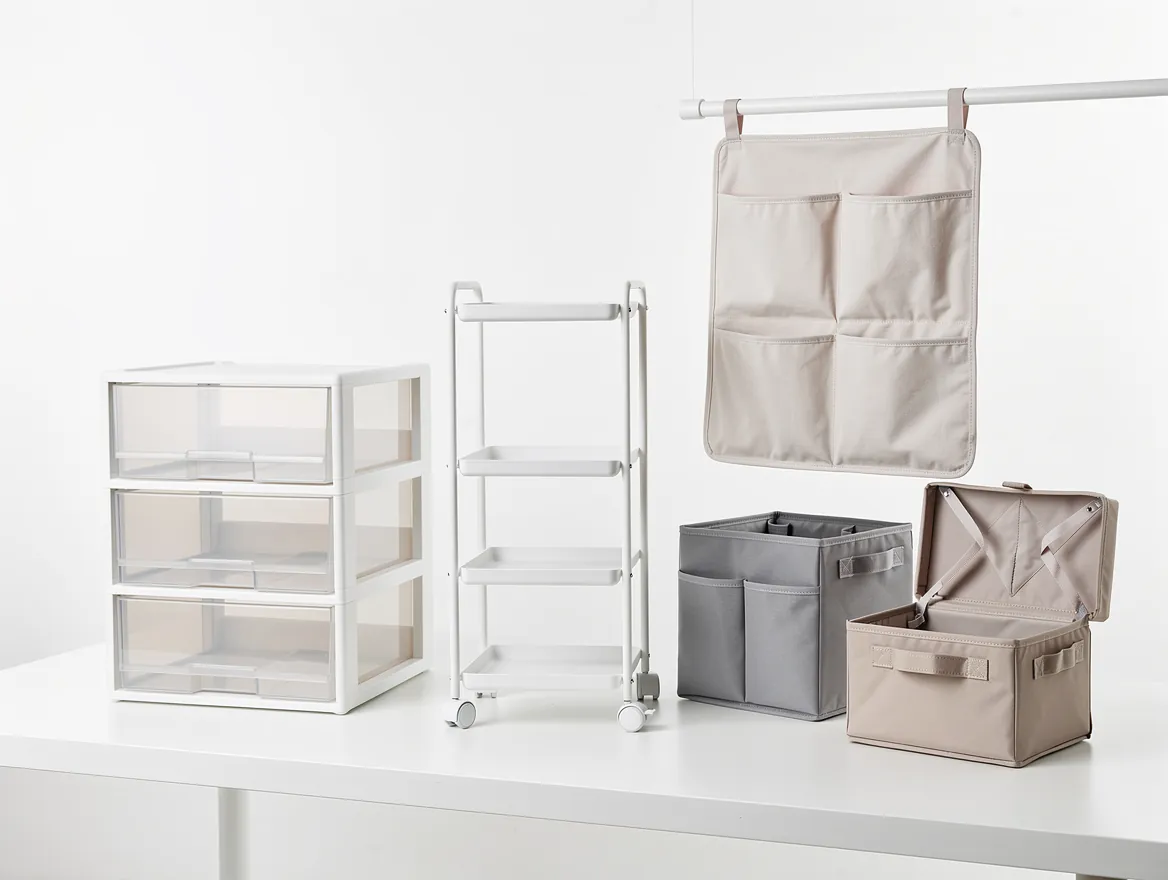
Foldable Storage Boxes: A Professional's Guide
Master smart storage with foldable boxes — sizing guides, room-specific solutions, and professional system design for Indian homes from Tidy Blueprints.
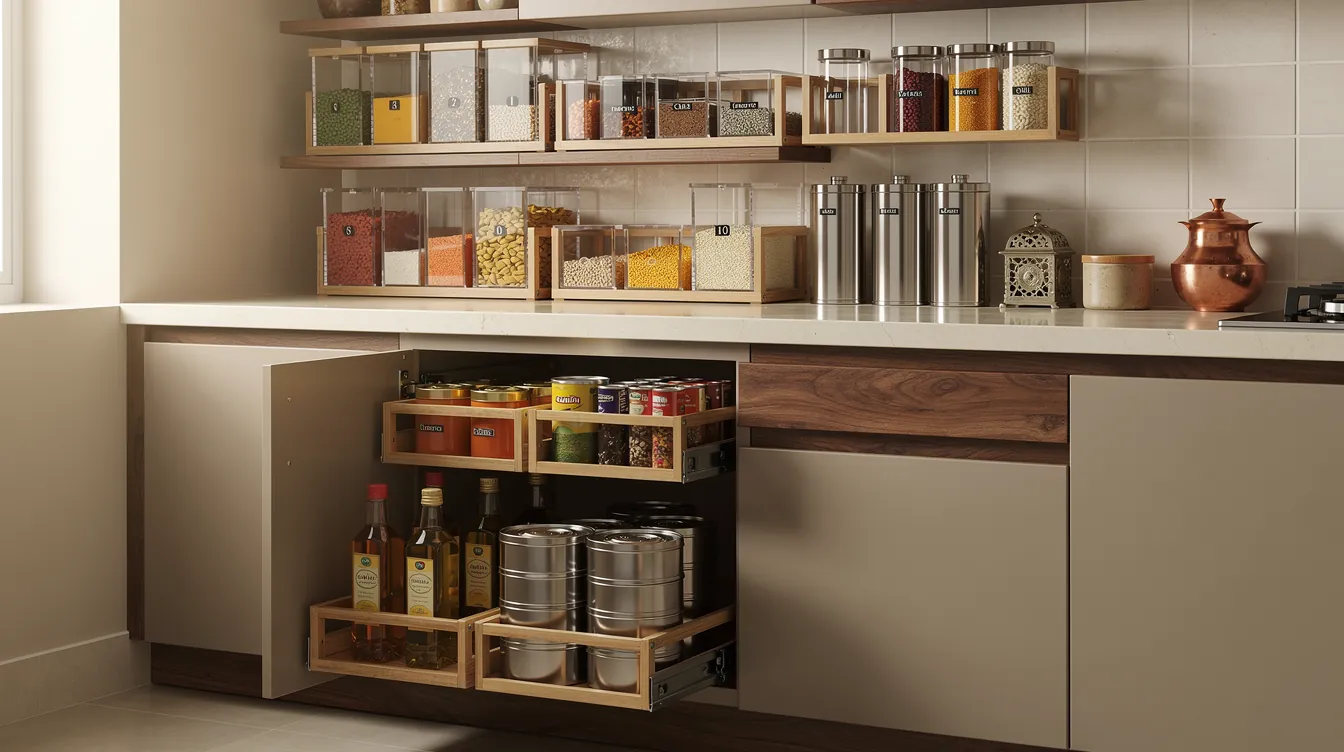
Kitchen Organiser Boxes: The Complete Guide
An unbiased professional guide to selecting the right kitchen storage containers — material comparisons, common mistakes, and recommendations for Indian kitchens.
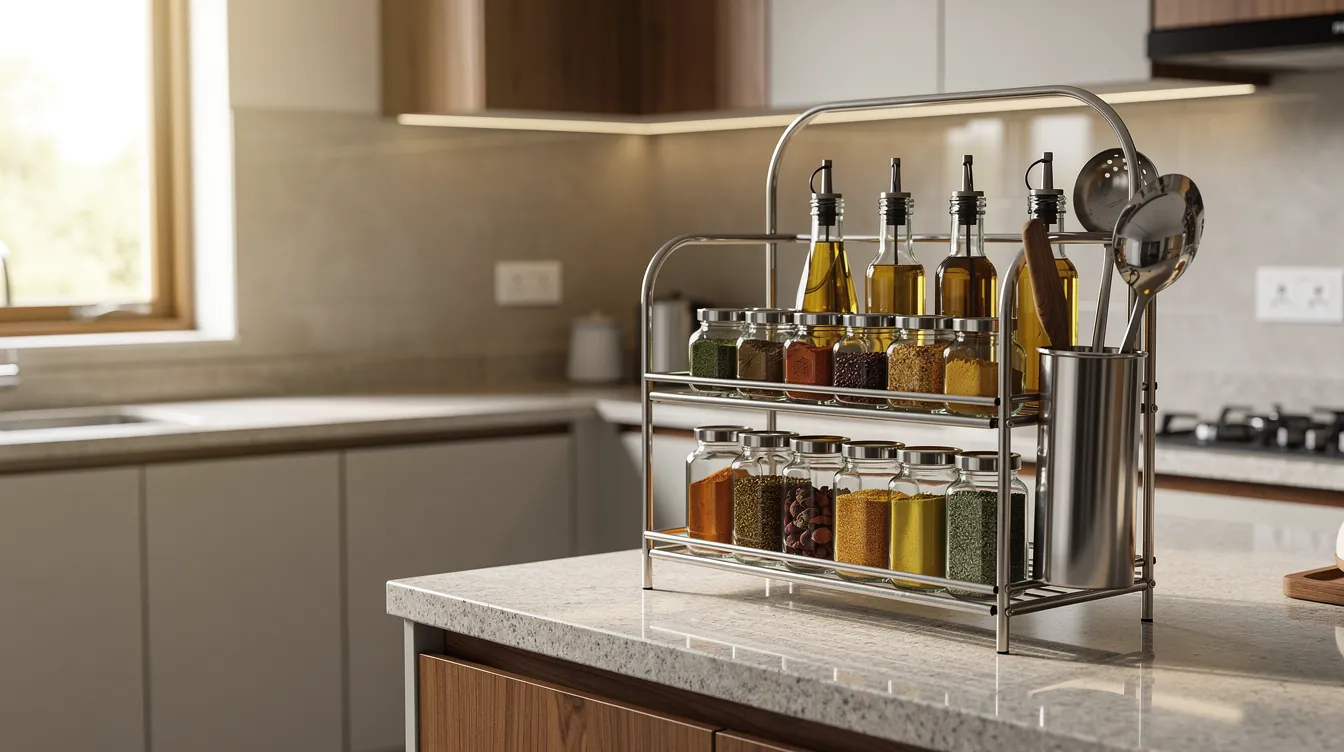
Kitchen Organiser Stand Guide
Types, materials, and buying decisions for kitchen stands — from countertop racks to wall-mounted shelves, tailored for Indian kitchen layouts and cooking habits.
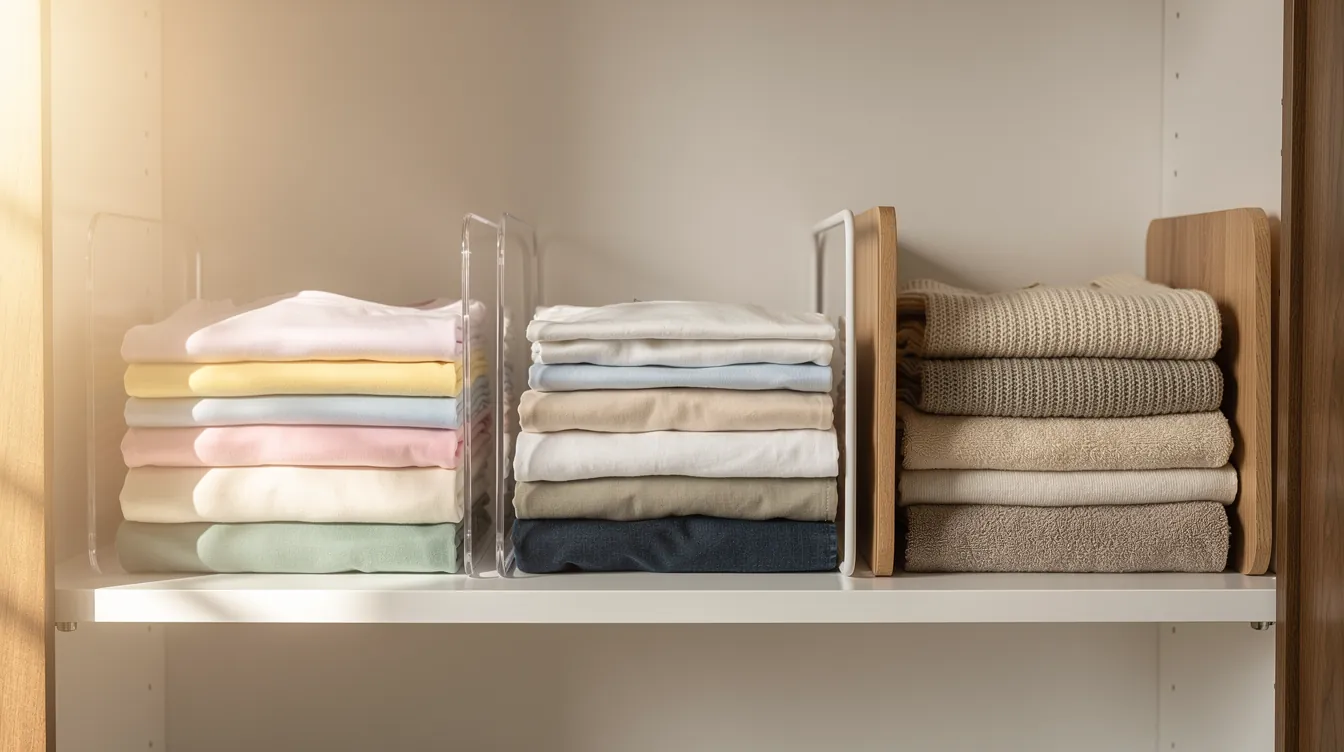
Shelf Dividers: The Complete Guide
Everything about shelf dividers — types, materials, DIY options, and Indian home-specific guidance for almirahs, cupboards, and open shelving throughout your home.
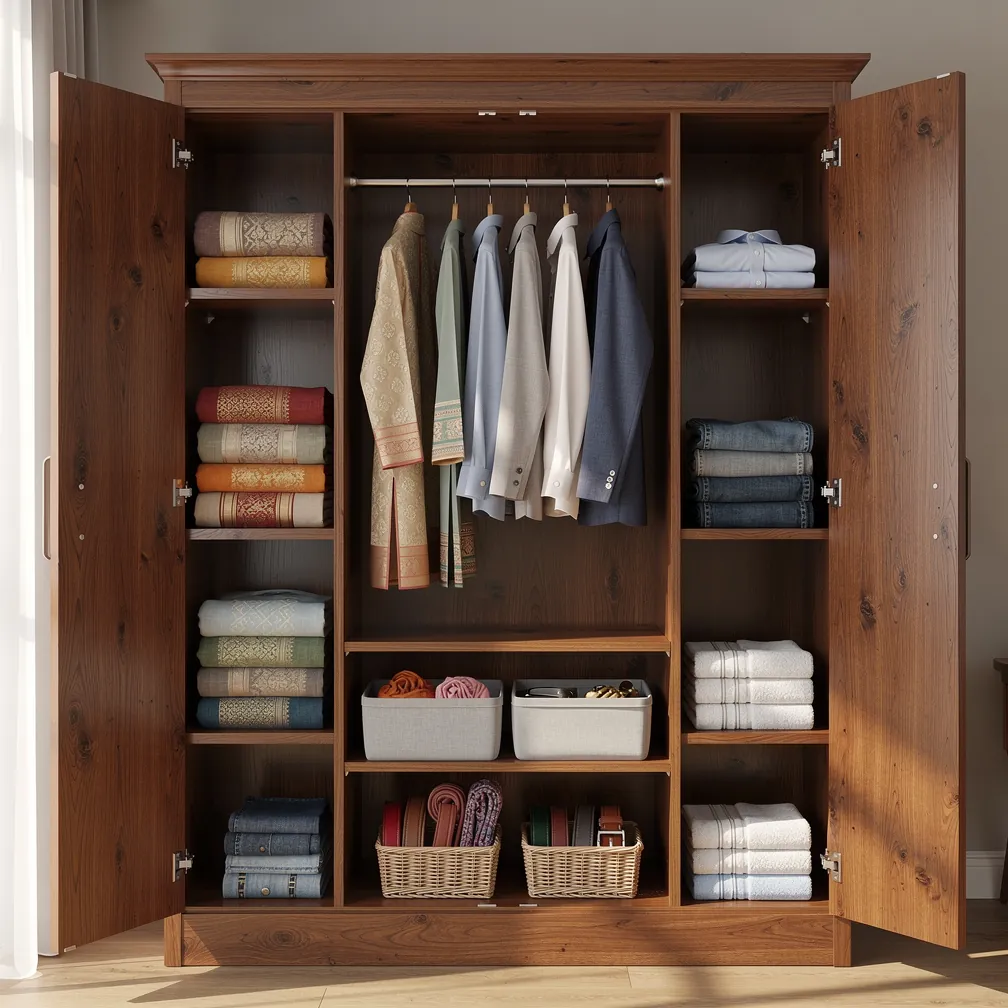
Storage Cupboards: How to Choose & Organise
Compare steel almirahs, wooden cupboards and modular wardrobes, then lay out an organised cupboard that suits Indian homes and Bangalore's damp months.
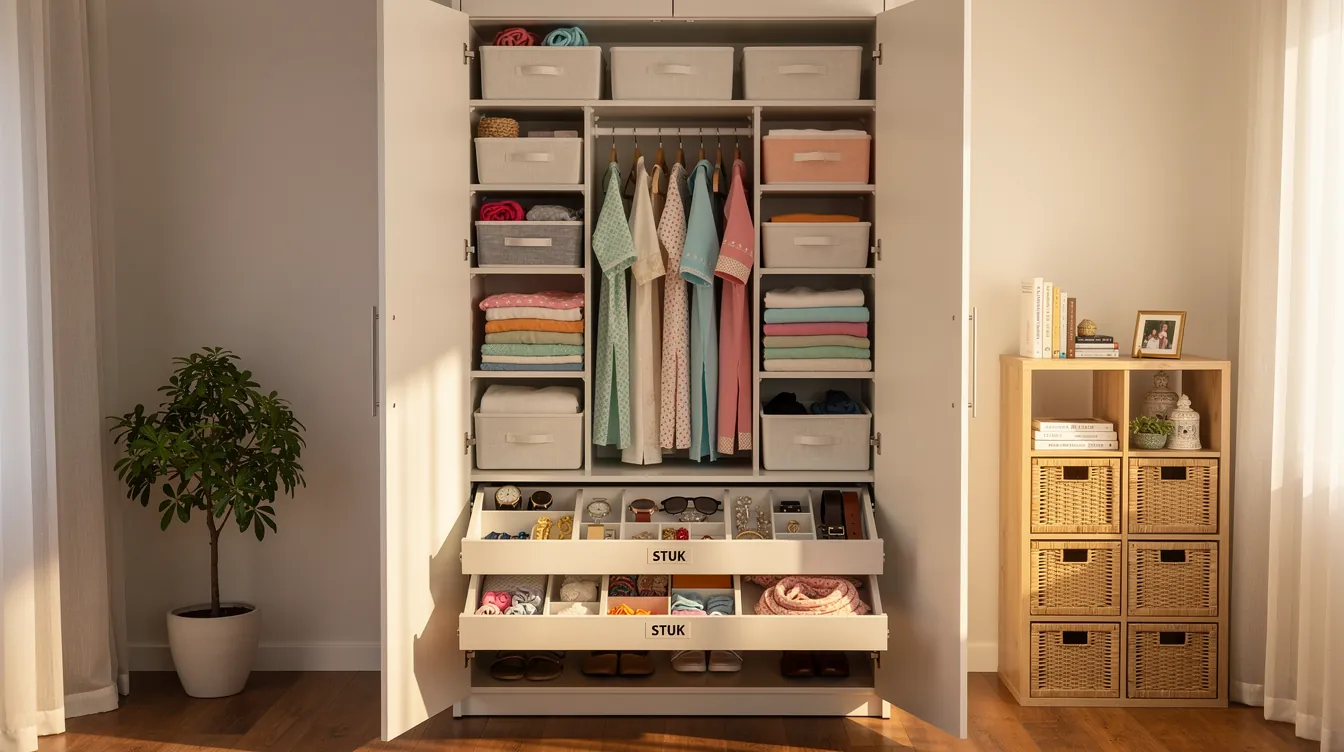
Storage Drawers & Drawer Organizer Boxes
Choose drawer units and organizer boxes, dividers and inserts that fit your drawers, and set them up so they stay tidy.
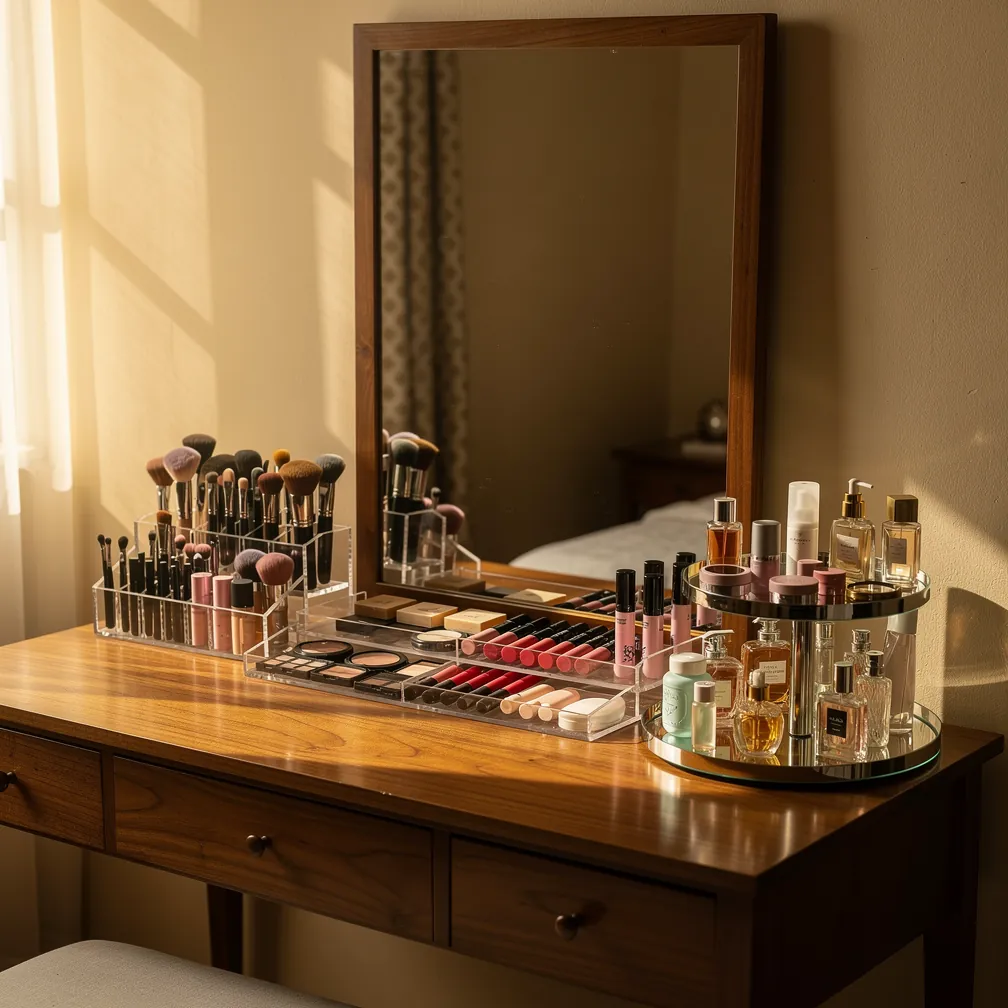
Storage Trays: Types, Materials & Uses
Where storage trays work best — drawers, shelves, vanities and kitchens — and which materials suit humidity, oil and dust.
Need a Professional Organiser? We're Here to Help.
You've read the guide. You know the products. Now let our team handle the measuring, sourcing, and installation — so you wake up to a home that actually works.