Storage Trays: Where to Use Them and How to Choose the Right Ones
A room-by-room guide to storage trays for Indian homes: divided, stackable, pull-out and turntable trays in plastic, acrylic, bamboo and metal, and how to use them so counters, shelves and drawers stay clear.
Jump to section
What Are Storage Trays, and Why Do Organisers Use Them So Much?
Storage trays are shallow, open containers that group small items together on a counter, on a shelf or inside a drawer. A tray turns a scatter of loose things, such as perfume bottles, keys, spice jars or pens, into one object you can see at a glance, lift out in one move and clean around in seconds. That's why professional organisers reach for trays so often: they're inexpensive, they need no installation, and they give every category a clear boundary.
This guide is part of our home organisation products series. It covers the types of storage trays, the materials that suit Indian homes and Bangalore's humid months, and where trays work best, room by room.
Trays vs boxes, baskets and dividers
- Trays are shallow and open, so everything stays visible and within reach. Best for things you use often.
- Boxes are deeper and often lidded, which makes them better for putting things away. See our cupboard storage boxes guide.
- Baskets hide their contents and soften a room, but small items sink to the bottom.
- Dividers split a shelf or drawer into lanes but don't lift out. See our shelf dividers guide.
The containment rule
A tray also sets a limit. When the tray on your dressing table is full, that's your signal to use something up or let something go, rather than letting products spread across the whole surface.
Key takeaway: Use storage trays for things you use often and want to keep in view; use boxes for things you're putting away.
Types of Storage Trays
Storage trays differ in shape and in how you reach what's inside them. Each type below solves a particular problem.
Flat catch-all trays
A simple tray with a low rim for keys, wallets, watches and glasses by the door or on a bedside table. It gives everyday things a landing spot so they don't spread across the surface.
Divided and compartment trays
Trays with fixed sections for items of a similar size: cutlery, stationery, jewellery, makeup and hair accessories. They work inside drawers as well as on top of furniture.
Stackable trays
Trays that sit on top of each other or on risers: document trays on a desk, stackable jewellery trays, and drawer trays that add a second layer inside a deep drawer.
Pull-out and sliding trays
Trays fitted on runners, or simply slid onto deep shelves. They bring the back of a deep kitchen cabinet, almirah shelf or under-sink space to you, so nothing gets lost behind the front row.
Turntable (lazy Susan) trays
Rotating trays for oils, sauces, masala jars, skincare and cleaning sprays. They're especially useful in corner cabinets and on deep shelves where reaching the back is awkward.
Tiered trays
Two- or three-level trays that use height on a counter or dressing table: perfumes on one level and daily skincare on another, or fruit above and onions below in the kitchen.
Fridge and pantry trays
Clear bins and trays with handles that group dairy, leftovers, vegetables or snacks, so a whole category can be pulled out and the shelf wiped in one go.
Drip and spill trays
Washable trays under oil bottles, potted plants and wet shoes catch spills before they reach the shelf or the floor.
Storage Tray Materials Compared
The material decides where a storage tray can live. Kitchens and bathrooms need trays that shrug off water and oil; bedrooms and living rooms can use materials chosen more for their looks.
| Material | Strengths | Weaknesses | Best for |
|---|---|---|---|
| Plastic (polypropylene) | Inexpensive, light, washable, moisture-proof | Stains from turmeric and oil; can look cluttered | Kitchen drawers, fridge, bathroom, kids' rooms |
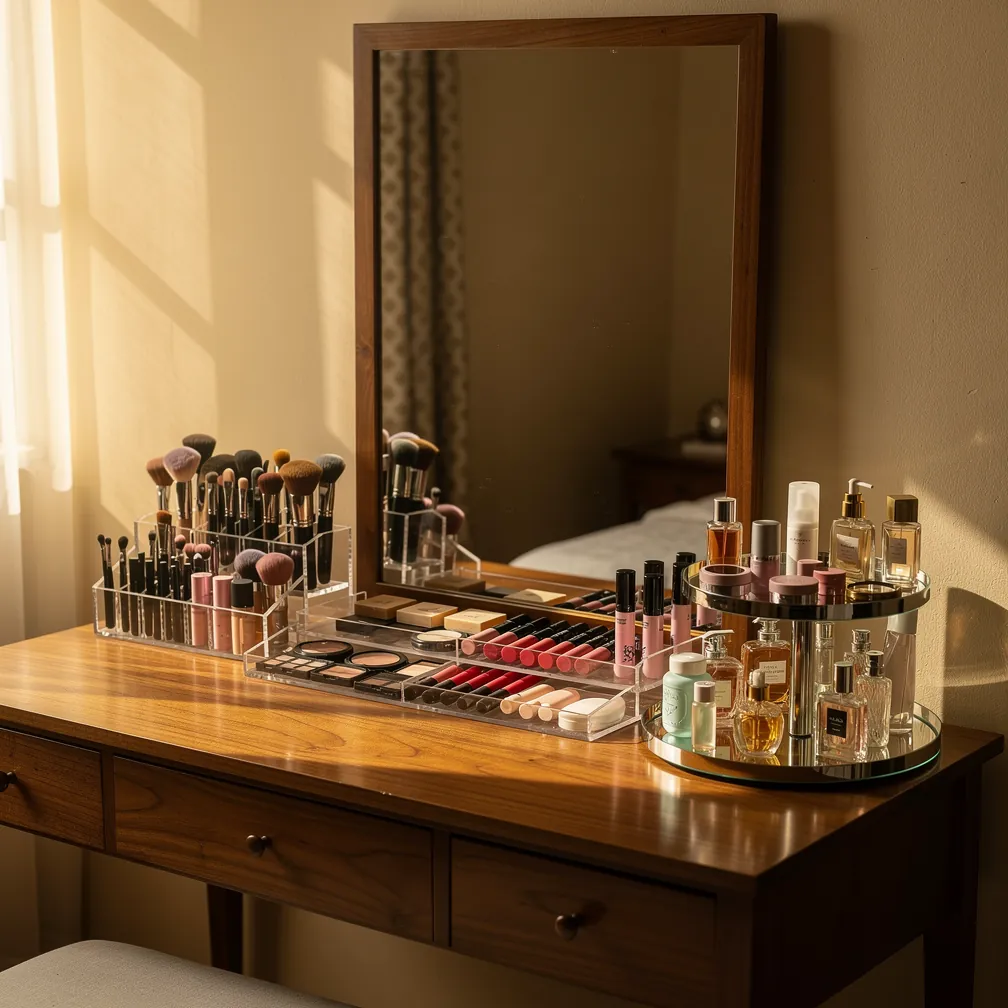
| Acrylic | Clear, so contents stay visible; looks neat | Scratches; thin trays crack; alcohol-based cleaners can cloud it | Dressing tables, makeup, jewellery, stationery |
| Bamboo and wood | Warm look, sturdy | Absorbs moisture; can grow mould in humid months unless sealed | Bedrooms, desks, living rooms, dry kitchen drawers |
| Stainless steel | Strong, hygienic, heat-proof, easy to clean | Heavier; lower grades can rust | Kitchen counters, under oil bottles, pantry |
| Brass and decorative metal | Durable, traditional look | Tarnishes and needs polishing | Puja shelves, perfume and display trays |
| Woven (cane, rattan, jute) | Light, breathable, soft look | Holds dust; can grow mould; not for liquids | Living rooms, linen, fruit and bread |
| Velvet-lined | Protects jewellery and watches | Collects dust; must stay dry | Jewellery and accessory drawers |
| Silicone | Flexible, non-slip, washable | Attracts lint | Drawer liners, drip trays |
A note on quality
Thin acrylic and very cheap plastic trays crack or warp quickly, so it pays to buy fewer, sturdier trays. For stainless steel trays in the kitchen, 304-grade steel resists rust better than cheaper grades. For wooden and bamboo trays, look for a sealed or lacquered finish if they'll be anywhere near water.
How to Choose the Right Storage Tray
Choose a storage tray by measuring the spot where it will live, then matching its rim height, compartments and material to what it will hold. Buy trays for what you own after decluttering, not to fill an empty surface.
Measure the spot first
- Inside a drawer: the inside width, depth and height, with clearance so the tray doesn't catch when the drawer closes.
- On a shelf: the shelf depth and the height to the shelf above, plus room to lift the tray out.
- On a counter: only the space you can spare without losing your work surface.
Match the rim height to the items
- Low rim (about 1–2 cm): jewellery, keys, watches and glasses.
- Medium rim (about 3–5 cm): makeup, stationery, spice jars and cutlery.
- Tall sides (6 cm or more): bottles and jars that could tip over, cleaning products and fridge items.
Fixed compartments or open?
Fixed compartments suit things that stay the same, like cutlery or earrings. Open trays suit collections that change, such as skincare, stationery or pantry snacks, because you can rearrange them freely.
Will it get wet, oily or dusty?
Near the stove, the sink or in the bathroom, choose plastic, steel or acrylic. In bedrooms and living rooms, wood, cane and velvet are fine. On open surfaces, pick something you can wipe in seconds.
Visible or hidden?
On a counter or dressing table, trays become part of how the room looks, so choose a material and colour that suit it. Inside drawers and cupboards, fit and function matter more than looks.
Key takeaway: The best storage tray fits its spot exactly and is easy to clean where it lives.
How to Organise a Counter, Shelf or Drawer With Storage Trays
Step 1: Clear the surface
Take everything off and wipe the surface. Decide what genuinely needs to live there, and move or discard the rest.
Step 2: Group items by task
Group things by how you use them (morning skincare, tea-making, paying bills) rather than by what they are.
Step 3: Give each group one tray
Pick a tray sized to the group, not bigger. One tray per task keeps the surface easy to read.
Step 4: Place by frequency
Put the trays you use daily closest to hand and at the front; occasional ones go further back or on a higher shelf.
Step 5: Leave breathing room
Don't fill trays to the edge or pack them side by side. A little space makes them easy to lift out and put back.
Step 6: Reset once a week
Lift each tray, wipe underneath, return strays to their homes and clear out anything that has crept in.
Storage Trays Room by Room
Almost every room has a surface or drawer where small things pile up. Here's where storage trays help most.
Kitchen and pantry
- A turntable tray in the corner cabinet or beside the stove for oils, ghee and everyday masalas.
- A stainless steel or plastic drip tray under oil bottles and the masala dabba to keep the counter clean.
- Sliding trays on deep base-cabinet shelves, so tins and jars at the back stay reachable.
- Cutlery trays in the top drawer, and clear bins with handles in the fridge for dairy, leftovers and vegetables.
For containers and stands, see our guides to kitchen organiser boxes and the kitchen organiser stand, or our kitchen organisation service.
Dressing table and vanity
Clear acrylic trays for daily makeup, a tiered or mirrored tray for perfumes, and a compartment tray for hair accessories. Keep only what you use every day on the surface and store the rest in a drawer. Our cosmetic tray organizer and dressing table organizer services set this up for you.
Wardrobe and cupboard
Velvet-lined trays in the locker drawer for jewellery and watches, pull-out trays on deep shelves for accessories, and a tray for belts, sunglasses and wallets. See our guides to storage drawers and storage cupboards.
Bathroom
A waterproof tray on the counter for toothbrushes, soap and daily toiletries makes wiping the counter quick. Avoid wood and cane here; plastic, acrylic and steel cope with splashes.
Study and home office
Stacked document trays labelled "to do", "to pay" and "to file" stop paper piles from spreading across the desk, and a divided tray in the top drawer holds pens, clips and sticky notes. Our document organizer service sets up the filing system behind them.
Entrance, living room and puja shelf
A catch-all tray by the door for keys, wallets and earphones; a small tray on the coffee table for remotes; and a brass or steel tray on the puja shelf for diyas, matchboxes and incense, so oil and ash stay off the shelf.
Kids' rooms
Activity trays for art supplies, clay or building blocks keep the mess on one tray instead of the whole table or floor, and make tidying up a single step. See our kids room organizer service.

Storage Trays in Indian Homes: Humidity, Oil and Dust
Three things wear out storage trays faster in Indian homes than anywhere else: monsoon humidity, cooking oil and spices, and dust. Choosing the right material for each room takes care of most of it.
Humid monsoon months
Bamboo, wooden and cane trays absorb moisture during Bangalore's monsoon and can grow mould, especially inside closed cupboards. Wipe them dry, air them in the sun on dry days and keep them away from sinks. In jewellery trays, a silica gel packet or an anti-tarnish strip helps keep silver from darkening.
Oil, turmeric and kitchen grime
Indian cooking leaves a fine film of oil and spice on kitchen surfaces. Choose kitchen trays you can wash with dish soap, avoid porous materials near the stove, and line trays with a removable, washable liner if you'd rather not scrub them. Turmeric stains plastic, so steel is the better choice for trays that hold masala containers.
Dust on open surfaces
Homes in Bangalore collect dust quickly, especially near construction or busy roads. Trays make dusting faster: lift the tray, wipe the surface, wipe the tray and put it back, instead of moving twenty small things one by one.
Key takeaway: In kitchens and bathrooms, choose trays you can wash; in bedrooms, keep wooden and velvet trays dry.
Common Storage Tray Mistakes
Trays are simple, but a few habits stop them from doing their job.
Letting the tray become a dumping ground
A catch-all tray only works if it's cleared regularly. Empty it every week, or it becomes a small, tidy-looking pile of clutter.
Using too many trays
A tray for every item is just a new kind of clutter. Group by task and use fewer, well-chosen trays.
Choosing the wrong rim height
Bottles tip over in flat trays, and jewellery is hard to pick out of deep ones. Match the rim to the items.
Putting porous trays near water
Wood, bamboo and cane near the sink or in the bathroom will warp, stain or grow mould. Use plastic, acrylic or steel there.
Buying before measuring
A tray a centimetre too tall stops a drawer from closing; one too deep blocks the shelf. Measure first.
Burying daily trays under rarely used ones
In a stack of trays, the one you open every day belongs on top.
Never cleaning them
Trays collect dust, oil and sticky residue. A quick wipe during your weekly reset keeps them looking good.
Organising With Trays Yourself vs Hiring a Professional
Storage trays are one of the easiest organising upgrades to try yourself: pick one surface, group what's on it and add a tray or two. A professional organiser helps when trays are one piece of a bigger problem, such as a dressing table, kitchen or wardrobe where nothing has a fixed home, or a whole house after a move.
Tidy Blueprints is a professional home organising service in Bangalore, founded by Vidhi Gumber. When we organise a kitchen, dressing table or wardrobe, we declutter with you, plan zones around your routine, choose trays and organisers sized to your shelves and drawers (sourcing them or giving you a shopping list), set everything up and show you how to keep it that way.
Explore our makeup organizer, kitchen organisation and shelf organizer services, or start with a virtual consultation. Your first online consultation is free.
Frequently Asked Questions About Storage Trays
What are storage trays used for?
Storage trays group small things you use often, such as keys, makeup, spices, stationery, jewellery and toiletries, on a counter, a shelf or inside a drawer. They keep those things visible, contained and easy to clean around.
Which material is best for kitchen storage trays?
Stainless steel and good-quality plastic work best in Indian kitchens because they can be washed and don't absorb oil or moisture. Steel also resists turmeric stains better than plastic.
Are acrylic storage trays worth buying?
Yes for dressing tables, makeup, jewellery and stationery, where seeing everything matters. Choose thicker acrylic, clean it with mild soap and water rather than alcohol-based cleaners, and keep sharp or heavy things that scratch it elsewhere.
How do I use a turntable (lazy Susan) tray?
Place it in a corner cabinet, on a deep shelf or beside the stove, and load it with one category, such as oils or skincare. Put taller items in the centre and smaller ones around the edge so everything is visible as it turns.
Can I use storage trays inside drawers?
Yes. Compartment trays and drawer organiser boxes are among the best ways to organise a drawer. Measure the inside of the drawer first and leave clearance so the tray doesn't catch when the drawer closes.
How do I stop wooden or bamboo trays from getting mouldy?
Keep them away from sinks and bathrooms, wipe them dry, and air them in the sun on dry days during the monsoon. Sealed or lacquered finishes resist moisture better than raw wood.
What's the best way to store jewellery in trays?
Use shallow velvet-lined trays with compartments, one type of jewellery per section, and stack the trays if your collection is large. Keep silver in a closed tray with a silica gel packet or an anti-tarnish strip.
Does Tidy Blueprints help choose and set up storage trays?
Yes. Trays and organisers are part of how we organise kitchens, dressing tables and wardrobes in homes across Bangalore. We measure your space, recommend or source trays that fit, and set them up with you.
Key Takeaways: Getting the Most From Storage Trays
What to remember before you buy your next tray, and when to call in a professional organiser.
Trays for Things You Use Often
Use trays to keep daily items visible and contained; use lidded boxes for the things you're putting away.
Compare trays, boxes and dividersMatch the Material to the Room
Steel, plastic and acrylic for kitchens and bathrooms; wood, cane and velvet for dry bedrooms and living rooms.
See the materials tableMeasure, Then Buy Fewer
Measure the drawer or shelf, match the rim height to the items, and group by task so you need fewer trays.
Read how to choose a trayGet Help With the Bigger Picture
When trays are part of a whole kitchen, vanity or wardrobe reset, Tidy Blueprints' organisers plan and set it up for you in Bangalore.
Explore our makeup organizer serviceRelated Home Organisation Product Guides
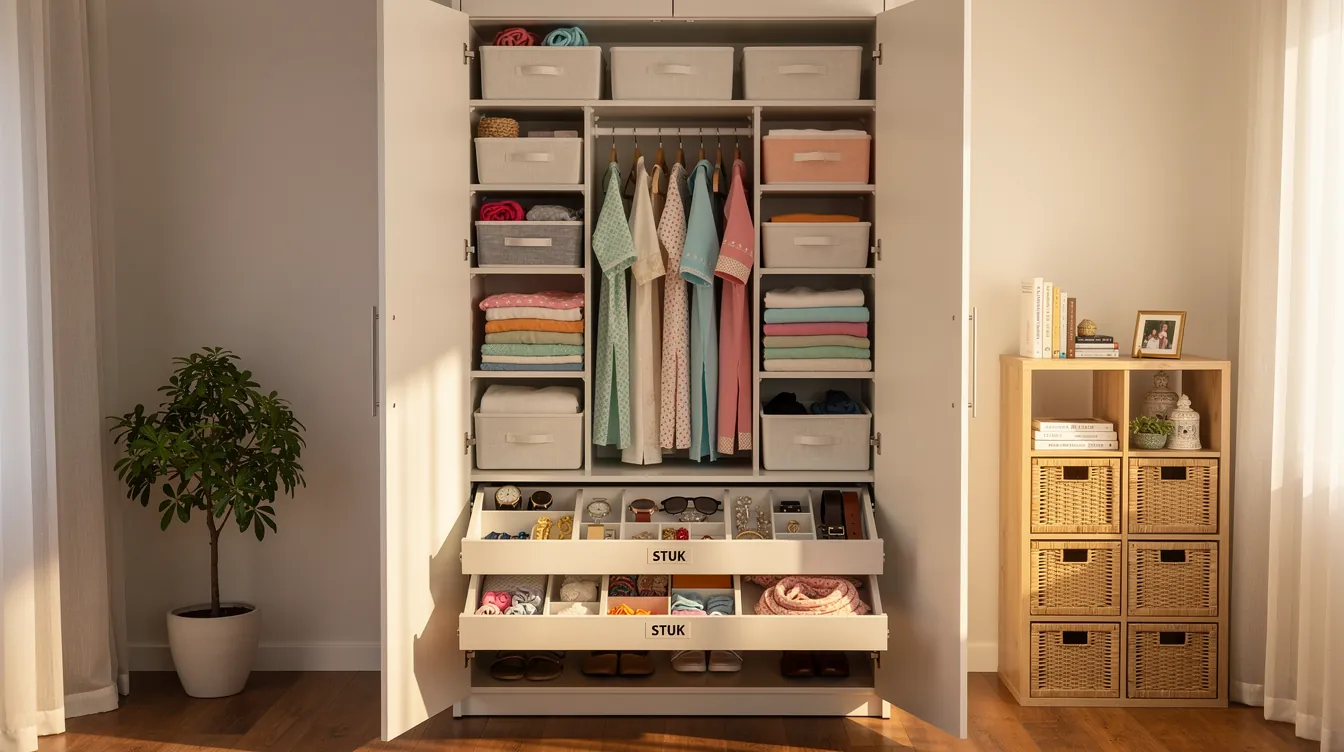
Storage Drawers and Drawer Organizer Boxes
Plastic, wooden, built-in and under-bed drawer units compared, plus the organizer boxes, dividers and inserts that keep each drawer tidy.
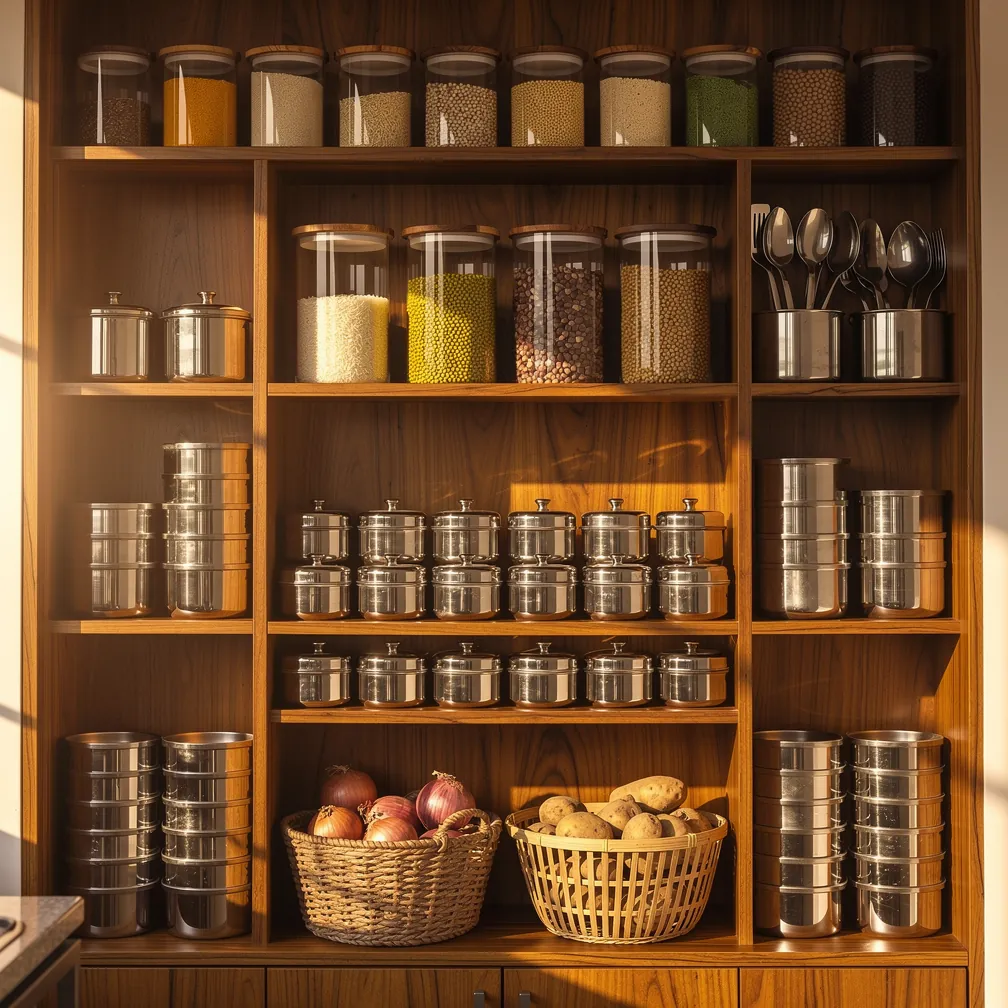
Kitchen Organiser Boxes Guide
Airtight containers, fridge boxes, stackable pantry systems and spice jars for Indian kitchens, with materials compared.
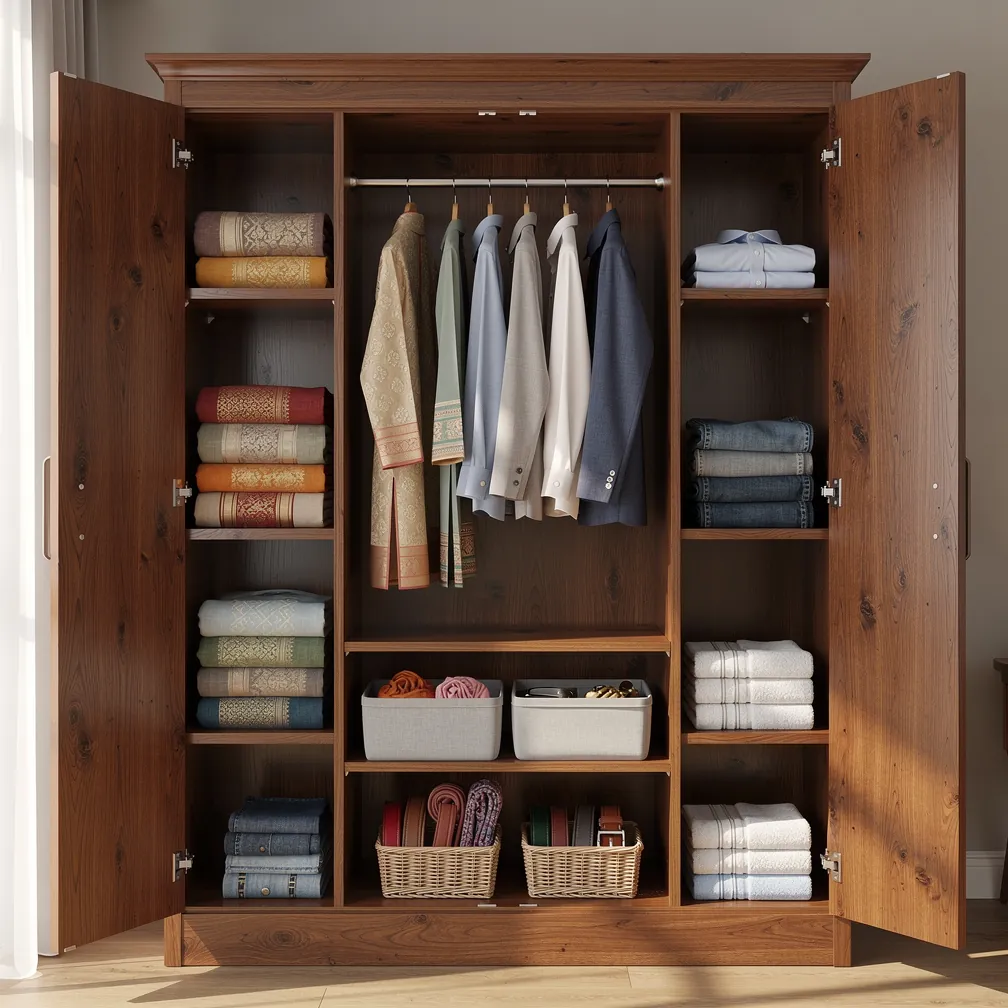
Storage Cupboards Guide
Steel almirahs, wooden, modular, plastic and fabric cupboards compared, and how to organise a cupboard by zones.
Want Your Counters, Shelves and Drawers Sorted for Good?
Tidy Blueprints' professional organisers plan and set up kitchens, dressing tables and wardrobes in homes across Bangalore, and guide clients elsewhere over video call. Your first online consultation is free.