Common Dressing Table Organization Mistakes to Avoid
We've organized hundreds of dressing tables across Bangalore. The same mistakes appear again and again — and they're almost always preventable. Here's what to watch out for, whether you're organizing yourself or planning to work with a professional.
1. Buying Organizers Before Decluttering
This is the number-one mistake we see. You feel motivated, you browse online, and a set of pretty acrylic drawers arrives at your doorstep. You fill them — and a week later, your dressing table looks exactly the same.
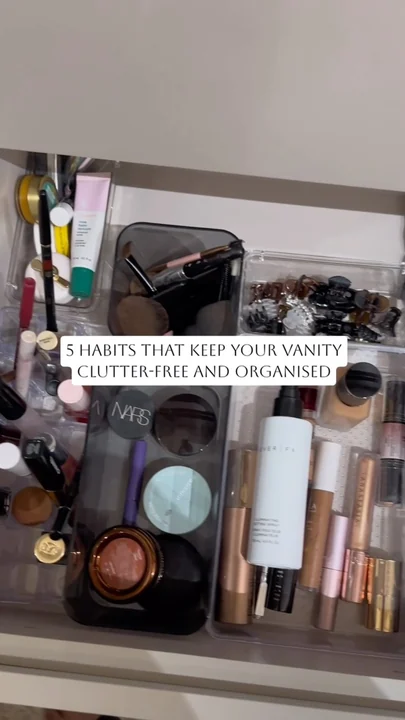
Why it fails: Organizers don't solve clutter — they just give it compartments. If you have five nearly-identical brown lipsticks and three expired moisturizers, dividers won't help. You're organizing things you don't need.
The professional approach: Declutter first. Empty everything out. Group what's left. Only then do you measure and select organizers sized for what remains. You'll almost always need fewer organizers than you think — and the ones you get will actually fit.
2. Using Opaque or Deep Storage
Out of sight, out of mind — this is the fundamental law of dressing table clutter. Deep, opaque boxes hide products at the bottom. Solid-front drawers conceal what's inside. Six months later, you discover a foundation you forgot you owned.
Why it fails: When you can't see your products, you don't use them. When you have to dig through layers to reach something, you won't put it back properly.
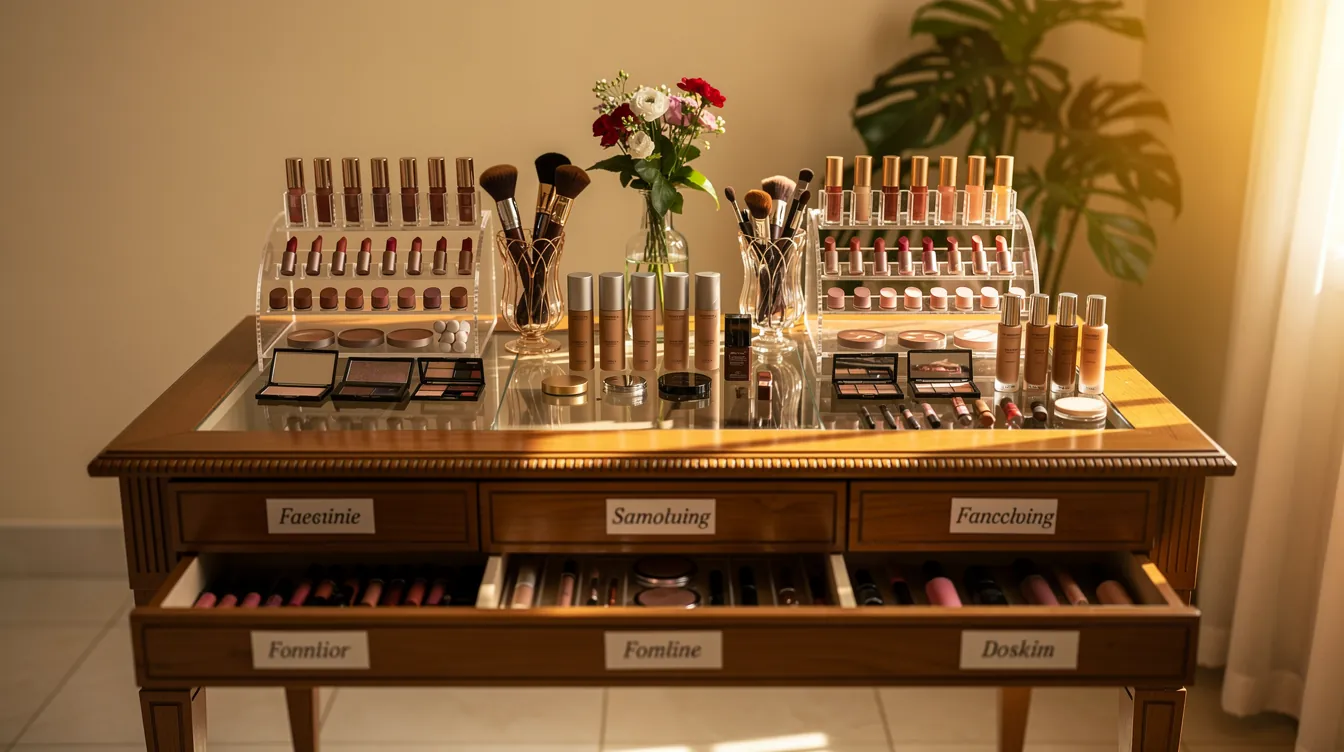
The professional approach: Clear acrylic is the workhorse of professional organization for a reason — visibility. Shallow trays and tiered risers mean every product is visible at a glance. Drawer dividers are never taller than the drawer depth, so nothing stacks on top of anything else. Labels on drawers and compartments mean anyone in the household can find and return items to their home.
3. Ignoring Maintenance Routines
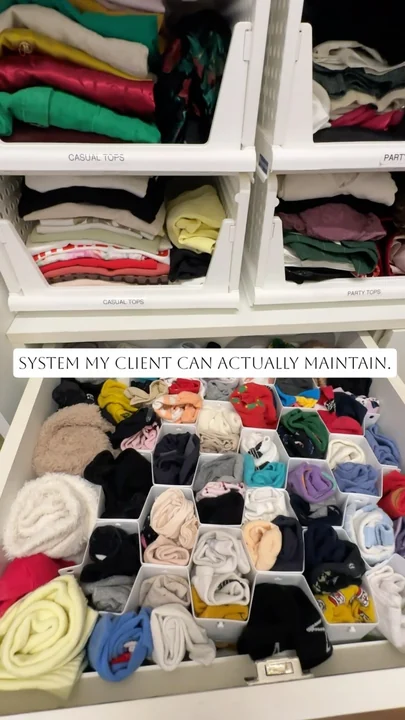
You spend an afternoon organizing. It looks beautiful. Two weeks later, things are drifting. A month later, it's back to chaos. The system didn't fail — the maintenance routine was missing.
Why it fails: Organization is a practice, not a one-time project. Without daily and weekly habits, entropy wins every time.
The professional approach: Every Tidy Blueprints project ends with a maintenance plan, not just a styled photo. The '5-minute evening reset' — return everything to its designated spot before bed — is the single highest-impact habit we teach. Weekly, spend 10 minutes checking for items that have migrated. Monthly, scan for expired products and things you haven't used. The system does the heavy lifting; the routine keeps it running.