



Saree Storage Boxes in Bangalore
Expert solutions tailored to preserve your precious collections, maximize space, and save hours every week searching for the right saree.
Why Professional Saree Organization Matters
Your saree collection isn't just clothing—it's a repository of memories, cultural heritage, and significant investments. Yet most saree owners struggle with the same challenges: sarees stored haphazardly in plastic boxes, creased from improper folding, at risk from moisture and pests, or simply "lost" in an overcrowded closet.
The Cost of Disorganized Collections
When sarees aren't properly organized, you lose more than just peace of mind. Studies show that organized wardrobes save 1+ hour every week in search time alone. Over a year, that's 50+ hours spent searching instead of enjoying your collection. Beyond time, disorganization leads to:
- Duplicate purchases: Organized wardrobes reduce redundant buys by up to 30%
- Damage and deterioration: Improper storage risks permanent creases, mold, pest damage, and color fading on valuable pieces
- Forgotten treasures: Sarees get lost in storage, unworn for years, their beauty wasted
- Decision fatigue: Getting ready becomes stressful when you can't see or access your options quickly
Why DIY Storage Boxes Fall Short
Many people invest in plastic saree storage boxes, hoping organization will follow. But generic boxes address only half the problem. They don't account for:
- Moisture vulnerability: Plastic traps humidity, creating an ideal environment for mold growth in Bangalore's climate
- Pest risk: Sealed boxes can harbor silverfish and moths that damage delicate fabrics
- Access inefficiency: Stacking boxes means digging through layers to find one saree
- Preservation gaps: No guidance on fabric-specific storage, occasion-based access, or maintenance schedules
You're storing sarees—not solving the organization challenge.
What Professional Organization Changes
A professional saree organizer brings expertise that transforms your entire wardrobe experience:
- Expert assessment: Understanding your collection size, fabric types, occasion needs, and space constraints to design a custom system
- Preservation methods: Fabric-safe storage materials, airflow optimization, pest prevention, and maintenance schedules that extend saree lifespan
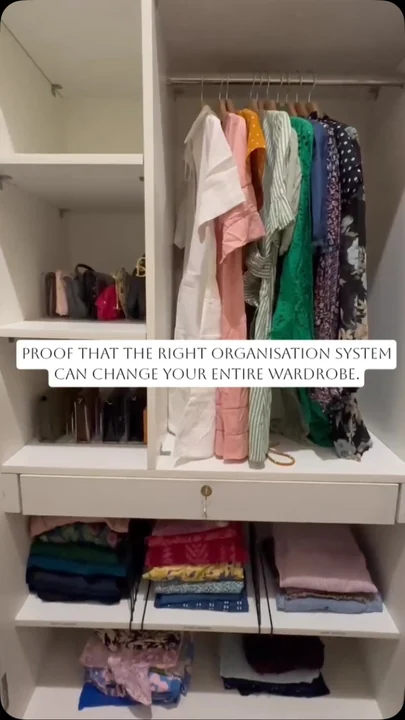
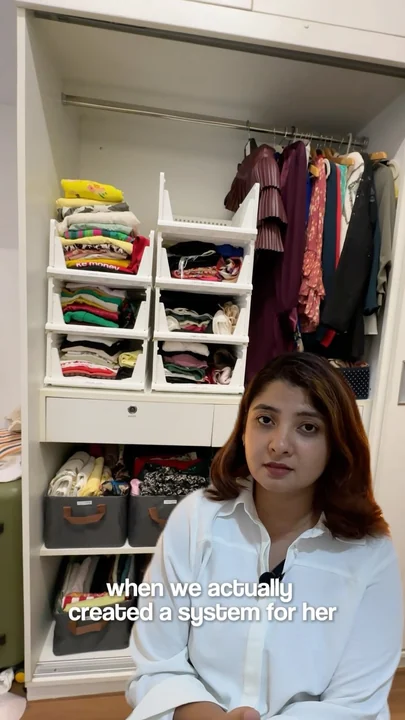
- Custom solutions: Pull-out organizers, vertical storage, under-bed solutions, and labeling systems tailored to your apartment and lifestyle
- Access optimization: Organizing by fabric, occasion, or frequency of wear so finding the right saree takes minutes, not hours
- Cultural understanding: Recognizing that your sarees are heirlooms and treasures, not generic inventory
Professional organization isn't a luxury—it's an investment in preserving what matters.
Common Saree Storage Problems & How to Prevent Them
Learn the mistakes that damage saree collections—and how professional organization prevents them.
Moisture & Mold: The Silent Killer
Bangalore's humidity creates ideal conditions for mold growth, especially in sealed plastic boxes. Solution: Breathable cotton/muslin bags with silica gel packets and proper airflow to keep collections dry and safe.
Pest Damage: Moths & Silverfish
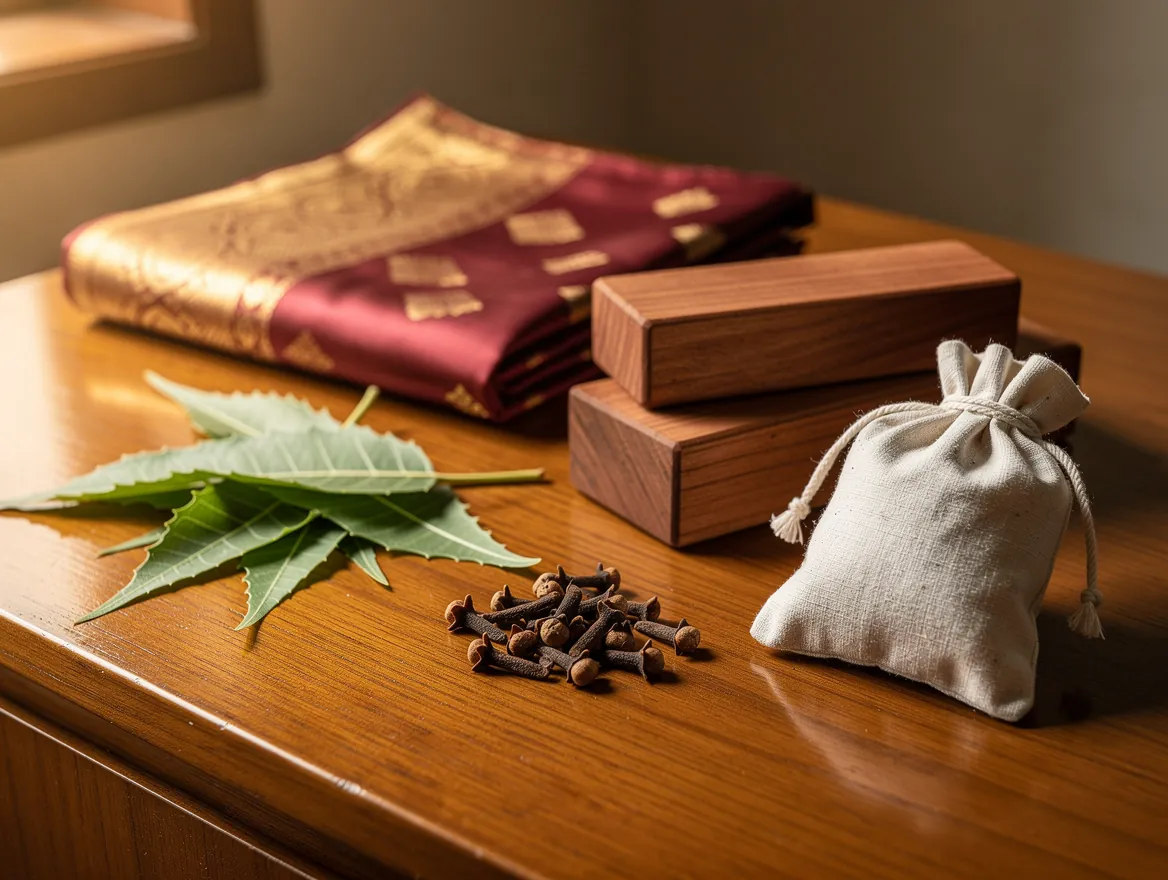
Insects damage delicate fabrics and embellishments irreparably. Solution: Sealed storage with cedar blocks, regular airing (every 4-6 months), and proper material barriers that repel pests while allowing breathing.
Color Fading & Embellishment Damage
Direct sunlight and improper folding fade colors and damage gold zari, beads, and embroidery. Solution: Store in dark, cool spaces with acid-free tissue between folds and protective layers for ornate pieces.
Permanent Creases & Wrinkles
Heavy stacking and tight folding create permanent creases in silk and delicate fabrics that won't come out. Solution: Proper hanging, loosely rolled storage for heavy sarees, and regular refolding to prevent permanent damage.
How to Organize Sarees: A Comprehensive System
Step 1: Sort Sarees by Fabric Type
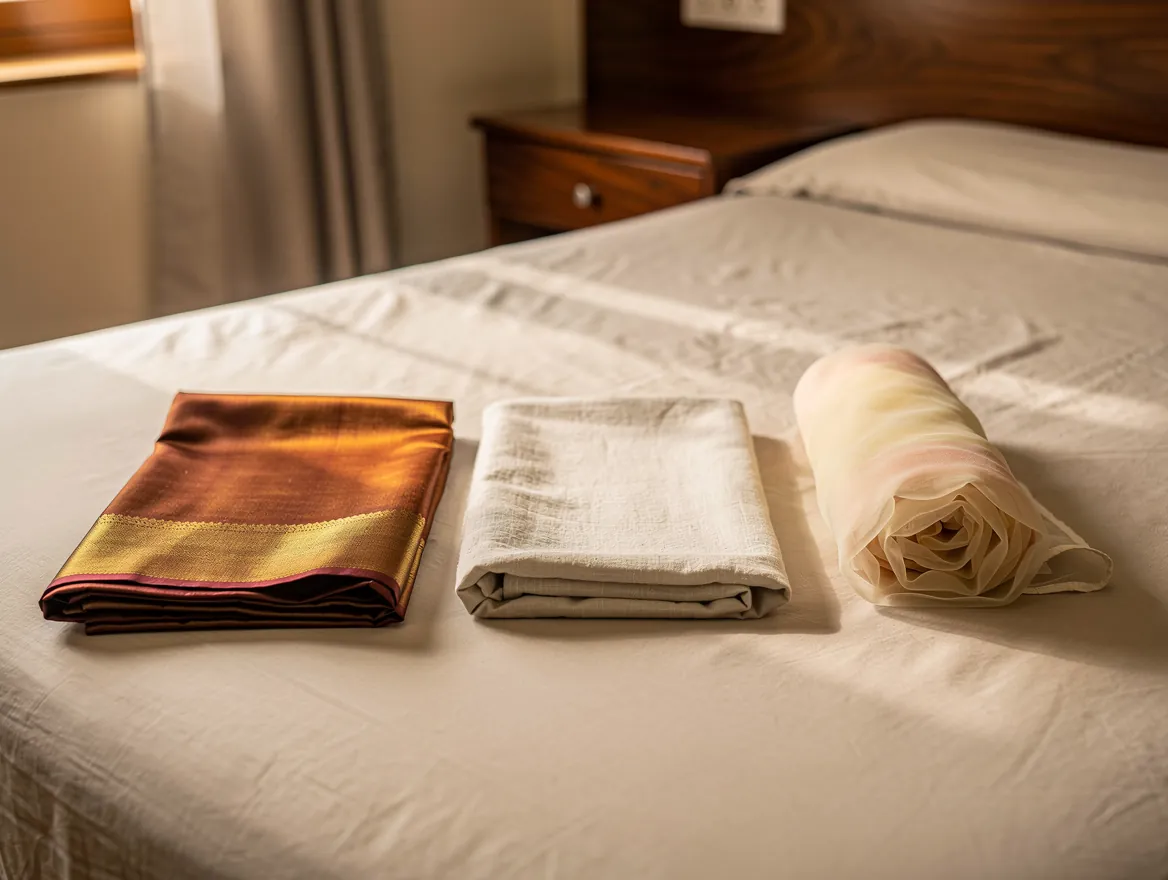
Begin by categorizing your collection: silk (delicate, temperature-sensitive), cotton (durable, breathable), chiffon (lightweight, prone to snagging), blended fabrics, and designer pieces. Different fabrics have different storage needs—silk requires more protection, cotton can handle airflow, chiffon needs careful handling.
Step 2: Organize by Occasion
Group sarees by how you wear them: wedding/formal sarees (high-value, worn rarely, need maximum preservation), festive sarees (occasional wear, seasonal), casual/daily wear (frequent access), work sarees, and travel-friendly options. This makes choosing an outfit faster and ensures the right saree is accessible when needed.
Step 3: Implement Storage Materials
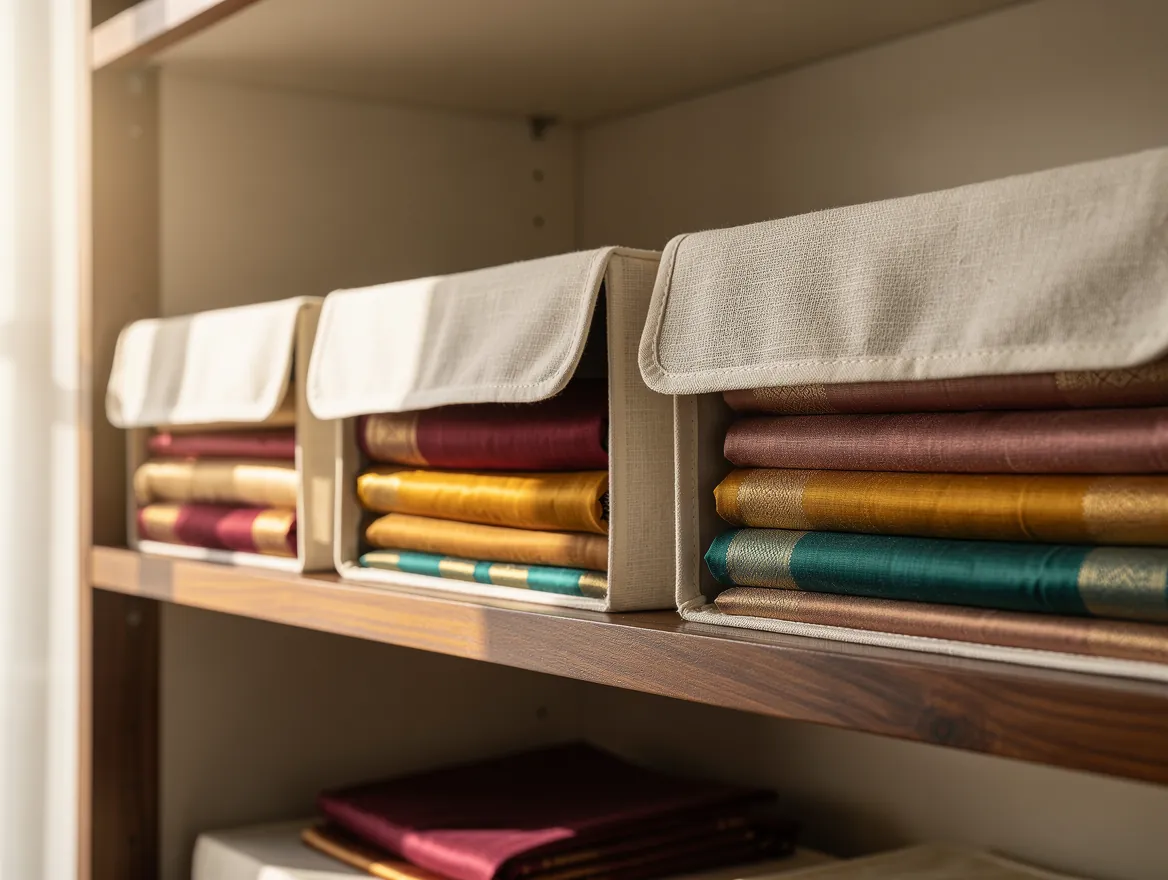
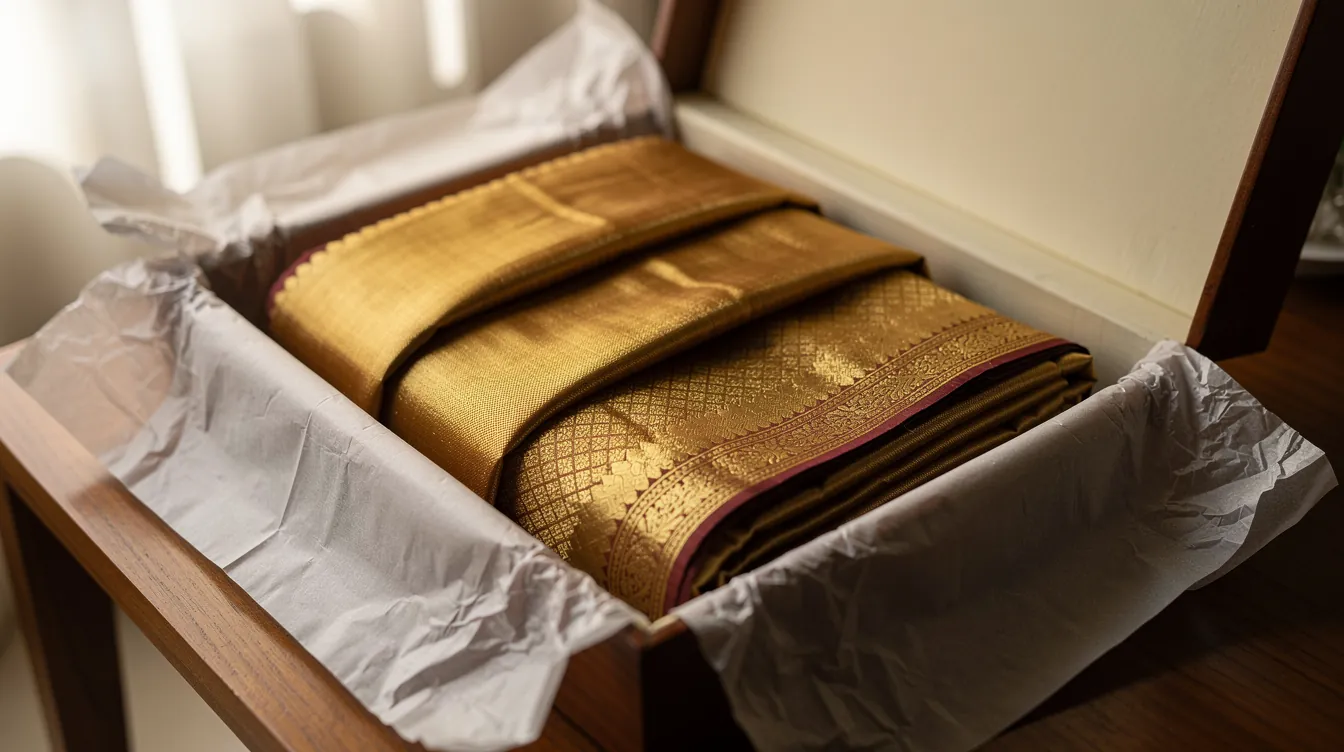
Use breathable cotton or muslin bags instead of plastic boxes. Place acid-free tissue paper between folds to prevent creases. Add silica gel packets (replace every 2-3 months) to manage humidity. For precious gold-zari sarees, use extra protective tissue and cedar blocks for pest prevention.
Step 4: Create Labels & Digital Catalog
Label each storage bag with fabric type, occasion, color, and designer (if applicable). Photograph your collection and create a digital catalog with tags—helps you remember what you own, prevents duplicate purchases, and serves as insurance documentation for valuable pieces.
Step 5: Maintenance Schedule
Every 4-6 months, air out your collection in indirect sunlight for a few hours. Refold sarees to prevent permanent creases. Check silica gel packets and replace if needed. Inspect for any signs of moisture, pests, or damage. Regular maintenance extends saree lifespan significantly.
Saree Storage Solutions for Small Spaces: Bangalore Apartment Organization
Bangalore is a city of apartments—and most apartments come with closet space that feels more like a cupboard. Whether you live in a 1 BHK studio or a 3 BHK with a shared bedroom, space is precious. Yet saree collections don't shrink to fit the architecture. Professional organization solves this paradox through smart design.
Maximizing Vertical Space in Compact Closets
In a typical Bangalore apartment closet (4-5 feet wide, 6-7 feet deep), vertical space is your greatest asset. Instead of stacking sarees horizontally:
- Wall-mounted pull-out racks with multiple shelves utilize height without eating floor space
- Floating shelves above the rod level for folded sarees, creating 3-4 storage zones vertically
- Over-door organizers on the inside of the closet door for scarves, petticoats, and accessories
- Hanging organizers with transparent pockets let you see sarees while protecting them from dust
When organized vertically, a 4x6 closet can store 150+ sarees comfortably—nearly double the space a horizontal stacking system provides.
Under-Bed Storage & Hidden Space Solutions
Apartment closets are rarely enough. The solution lies in hidden storage:
- Under-bed saree boxes with drawers (20-25 sarees per box) for off-season or less-frequently worn pieces
- Behind-door shelving units that don't require wall modifications (crucial in societies with strict rules)
- Wall-mounted cabinets above the dressing table for jewelry, accessories, and reference pieces
- Corner shelving in unused corners to add 30-40% more storage without taking floor space
This multi-layer approach means every saree is just one or two steps away—no digging through stacked boxes.
Pull-Out Saree Organizers: The Game-Changer for Limited Space
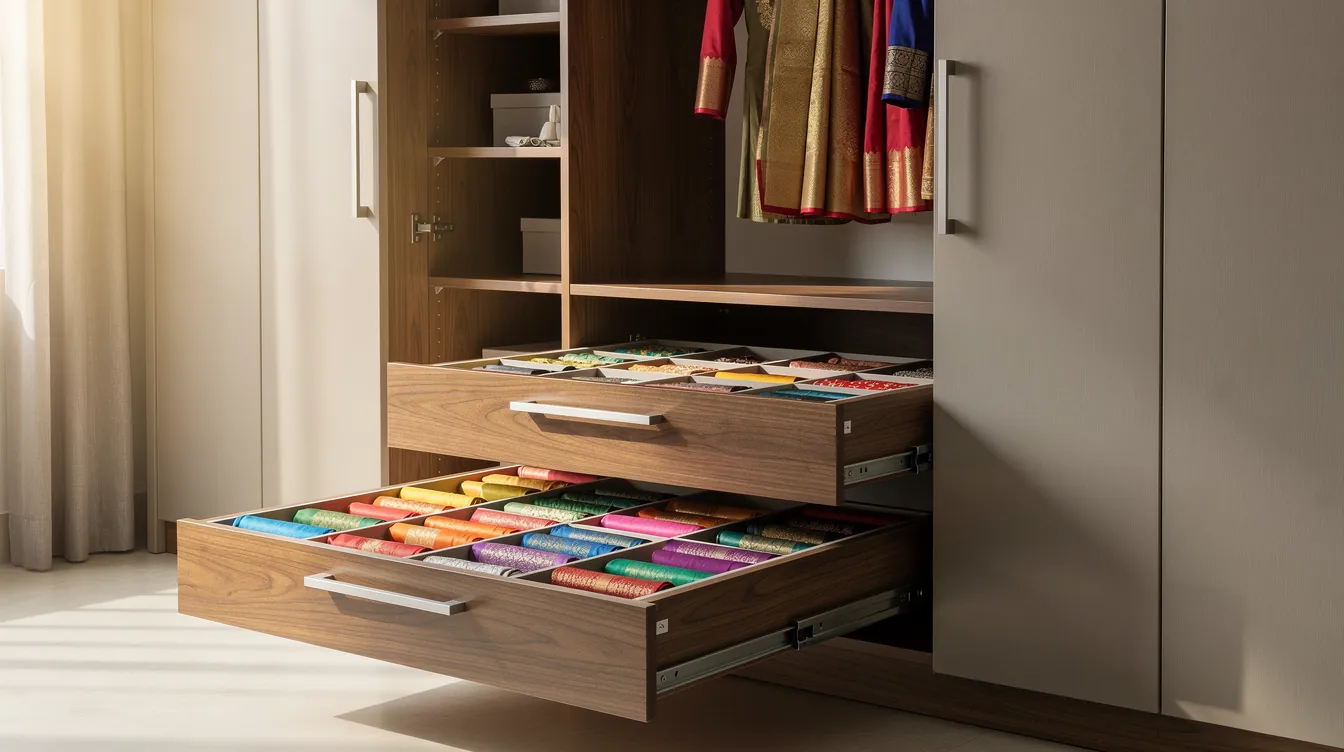
The single most transformative solution for Bangalore apartments is the pull-out saree drawer organizer. Unlike stacked boxes, these systems:
- Provide full visibility of every saree without removing it
- Allow easy access with full-extension drawers that open completely
- Save 20-30% more space than traditional stacking (dividers hold sarees upright, using depth, not height)
- Protect from damage with soft-close mechanisms and proper material support
- Enable quick selection for getting ready—you see every option without moving anything
A 60cm-wide pull-out organizer with 4 drawers holds 50+ sarees in the space a horizontal stack would hold 25.
Organization Strategies for Shared Bedrooms (Joint Families, Roommates)
In joint families or shared apartments, personal space is limited. Professional organization creates systems that work for multiple people:
- Dedicated vertical zones with labeled shelves for each person—clear ownership, no mixing
- Seasonal rotation storing off-season sarees in under-bed boxes in a shared store room
- Color-coded bags or tags for quick visual identification in a shared closet
- Drawer organizers that can be placed in a dresser or cabinet each person can lock
- Digital shared catalog (with photo tags) so family members know what's available for borrowing
Professional organization doesn't just maximize space—it creates harmony in shared living arrangements.
Saree Preservation Methods for Heirloom Collections
Your sarees deserve more than storage—they deserve preservation. Learn how to protect treasured pieces for generations.
Storing Wedding & Designer Sarees
High-value wedding sarees and designer pieces require premium preservation: acid-free tissue between every fold, cedar blocks for pest prevention, and storage in cool, dark spaces. Photograph them with designer name and purchase details for insurance documentation and family records.
Gold Zari Saree Care: Preventing Tarnishing
Gold zari (gold thread embellishment) oxidizes and tarnishes in humid environments. Solution: Store in breathable cotton bags with acid-free tissue, keep humidity below 60% with silica gel, and air out every 3-4 months in indirect sunlight. This preserves the luster and prevents permanent discoloration.
Creating a Digital Archive for Your Collection
Photograph each saree on a neutral background with tags noting fabric, designer, occasion, and approximate value. Store in a password-protected digital album (Google Photos, Dropbox). This serves three purposes: quick reference when deciding what to wear, insurance documentation for valuable pieces, and family knowledge of what's in the collection.
Wardrobe Inheritance Planning
If sarees are being passed to the next generation, document them properly: note the story behind special pieces (when worn, who gave it, why it's meaningful), take professional photos, and store in heritage-grade packaging. This transforms collections into family heirlooms with documented value and meaning.
Professional Saree Organization vs. DIY: The Cost-Benefit Analysis
Is professional organization worth the investment? Let the data answer.
Time Savings: Real Numbers
Average time spent searching for clothing weekly: 1+ hour. With organized saree storage, this drops to 5-10 minutes. Over a year, that's 50+ hours recovered—time you can spend wearing sarees, not finding them. For a working professional, that's equivalent to a full work week reclaimed annually.
Space Optimization: Closet Space Gained
Professional organization using pull-out drawers, vertical storage, and smart categorization can recover 20-50% more usable closet space. In a cramped Bangalore apartment, that often means the difference between a functional closet and one that's perpetually overcrowded.
Preservation & Longevity: Protecting Your Investment
A premium silk saree costs ₹5,000–₹50,000+. Improper storage (moisture, pests, creasing) can damage or ruin a saree, making it unwearable. Professional preservation extends saree lifespan by decades and protects against moisture, pests, and fading—safeguarding your investment.
Investment in Professional Organization
Professional wardrobe organizers charge ₹150–₹800+ per hour (international rates). A typical saree organization project for 50-150 sarees costs ₹15,000–₹50,000+ depending on scope and custom solutions. ROI: You recover that investment in time savings alone within 6-12 months, plus protection of sarees worth multiples of the service cost.
Integrating Saree Organization with Your Complete Wardrobe
- Organize blouses & petticoats alongside sarees in coordinated systems for quick, complete outfit assembly
- Store jewelry, accessories & fragrance in adjacent zones for a cohesive getting-ready experience
- Integrate makeup organizer and dressing table organization for a complete wardrobe transformation
- Create digital outfit combinations (photo catalogs) showing sarees + blouses + jewelry pairings
- Design the getting-ready experience: beautiful, organized, and fast—from choosing a saree to walking out the door in 10 minutes
Our Professional Saree Wardrobe Organization Service
- In-home consultation: We visit your apartment, assess your space, collection size, and lifestyle to design a custom system
- Custom solution design: Pull-out organizers, vertical racks, under-bed storage, and preservation systems tailored to your sarees and space
- Professional installation: We handle all setup, ensuring every saree is organized, labeled, and documented
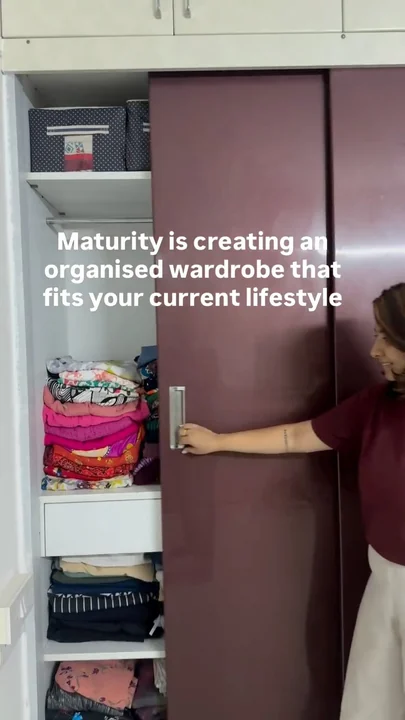
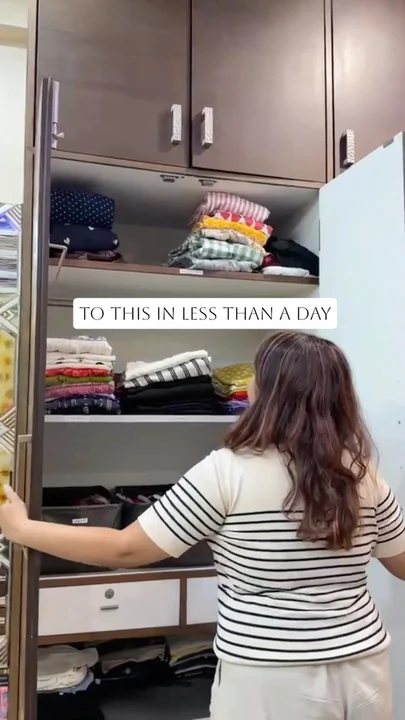
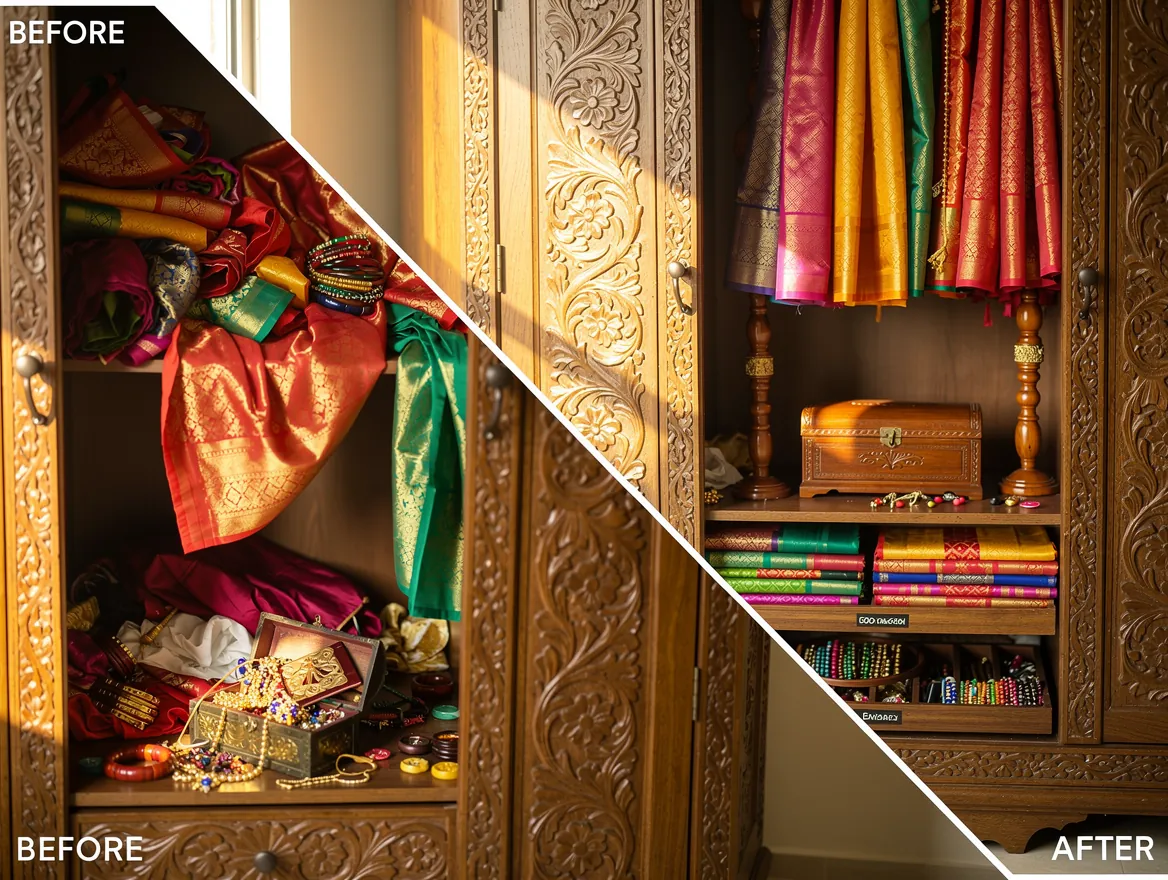
- Before-and-after documentation: Real Bangalore apartment transformations showing space recovery, time savings, and preservation improvements
- Follow-up guidance: Maintenance schedule, seasonal rotation tips, and support to keep your wardrobe organized long-term
- Transparent pricing: Clear quotes based on collection size and solutions needed—no hidden costs, no surprises
What Our Bangalore Customers Say
"I had 120 sarees stuffed in a 4x5 closet—it was chaos. Tidy Blueprints transformed it into an organized, beautiful system. I now spend 5 minutes finding a saree instead of 30, and I finally see everything I own."
Mrs. Priya Sharma
Whitefield Apartment Owner
"As someone with heirloom wedding sarees, I was worried about preservation. They taught us proper storage, created a digital archive, and set up a maintenance schedule. My sarees are protected for my daughter."
Mrs. Divya Iyer
Koramangala, Bangalore
"We share a bedroom in a joint family setup. They created individual zones for each of us with labeled shelves. Now there's no confusion, everyone knows what's theirs, and the closet actually works."
Ms. Anjali Patel
Indiranagar, Shared Household
Ready to Transform Your Saree Wardrobe?
Your sarees deserve to be organized, preserved, and easily accessible. Book a free consultation with our Bangalore-based organizers to design a custom solution that fits your space, collection, and lifestyle. No obligation, no pressure—just expert guidance on how we can help.