Jump to section
A handbag is meant to make life easier, yet most of us have stood at a shop counter or a front door digging for keys, a card or a ringing phone. A purse organiser fixes that in minutes. This guide covers what a purse organiser is, how to organise the inside of your handbag, which type of organiser suits which bag, and how to store a handbag collection at home so your bags keep their shape through Bangalore's humid months.
What Is a Purse Organiser?
A purse organiser is an insert that sits inside your handbag and divides it into pockets, so your wallet, phone, keys and everyday bits each have a fixed place. Most are a soft felt or nylon "bag within a bag" with open pockets around the sides, a zipped compartment or two, and handles that let you lift the whole thing out and drop it into another bag.
That last part is what makes a purse organiser so useful. Instead of tipping everything out when you switch from your work tote to a weekend shoulder bag, you move one insert and you're done. Nothing gets left behind, and nothing sinks to the bottom.
What a purse organiser solves
An organiser is worth trying if any of these sound familiar:
- You dig for your keys or phone at the door, in an auto or at the billing counter.
- The lining of your bag is stained with leaked lip balm, pen ink or sanitiser.
- Receipts, wrappers and loose coins collect at the bottom.
- You carry two or three bags a week and keep leaving something in the last one.
- A soft tote slumps when you put it down, and everything slides into a heap.
Do you actually need one?
Not every bag needs an insert. A small sling or a clutch with two compartments already has all the structure it can hold. Purse organisers earn their place in medium and large bags — totes, shoulder bags, work bags and diaper bags — where one big open space swallows everything. If your daily bag is one of those, an organiser is one of the simplest, low-cost organising upgrades you can make.
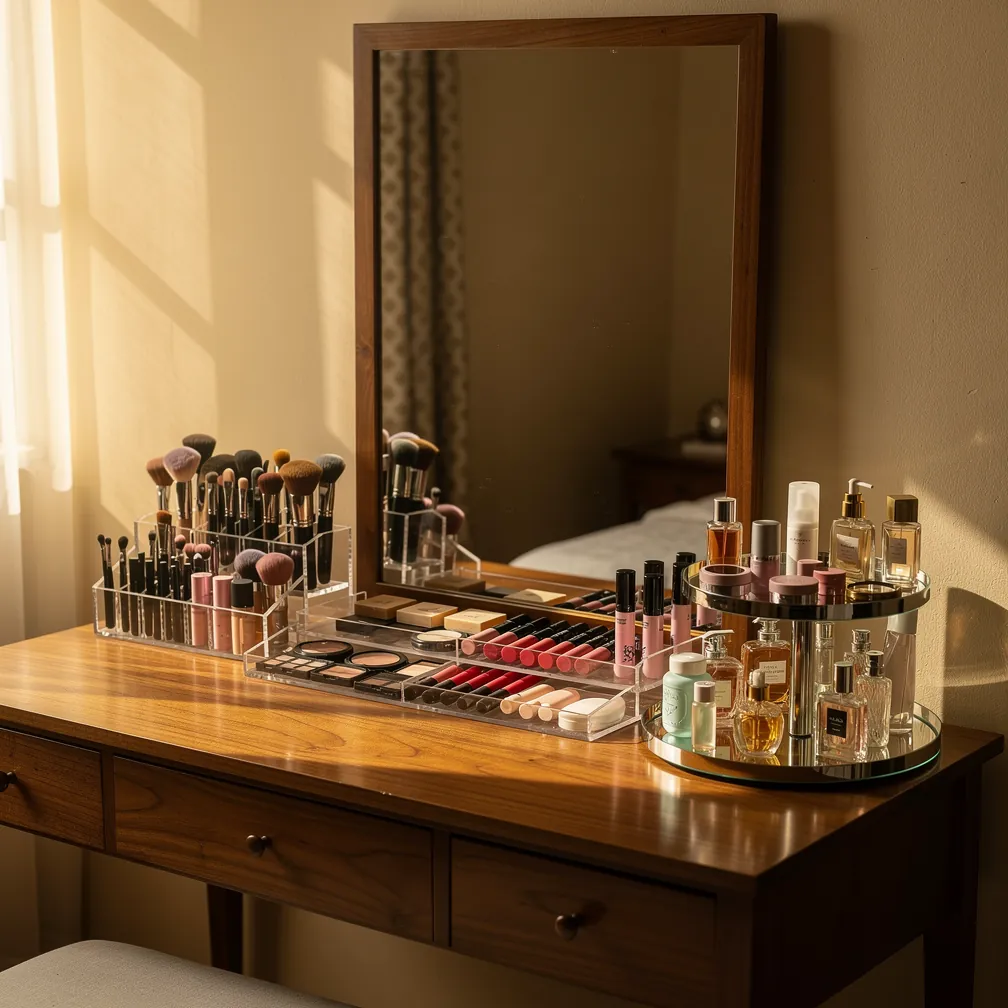
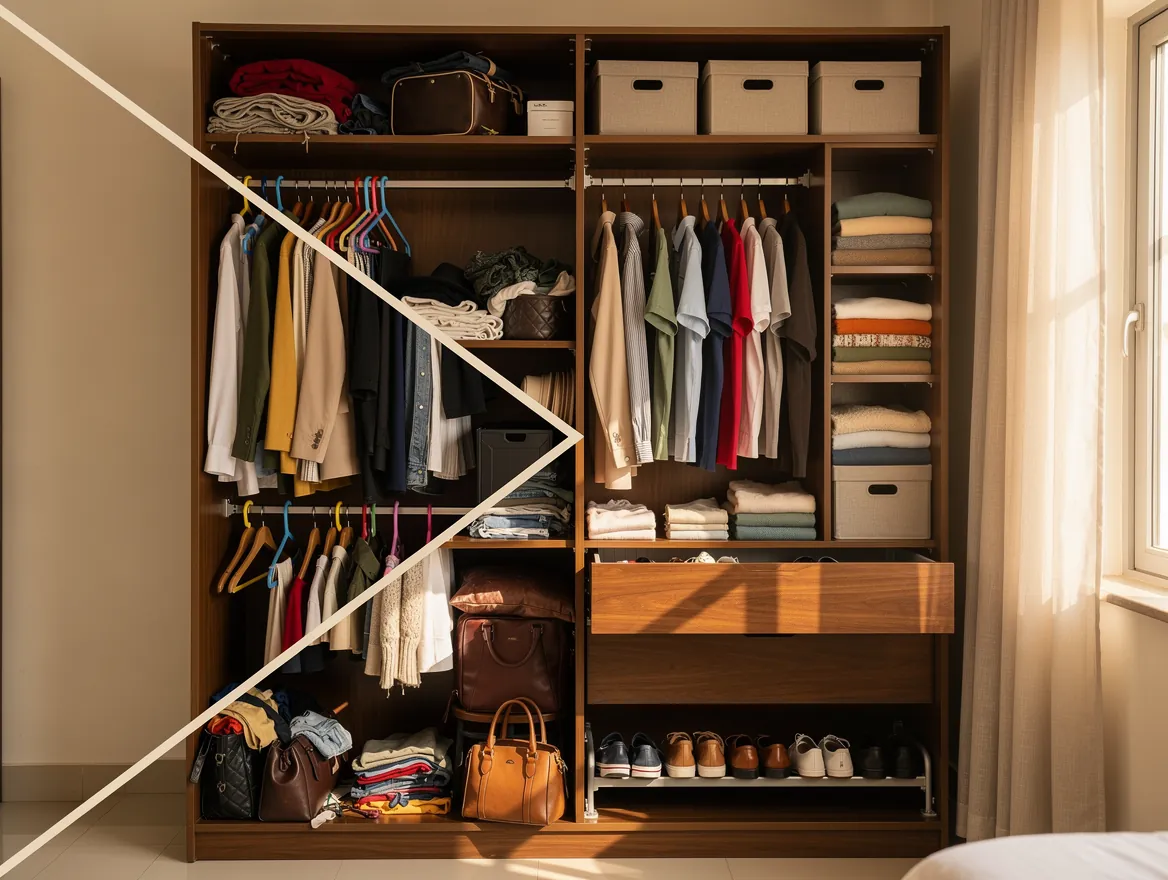
If your wardrobe and dressing table could use the same attention, our wardrobe organising service and makeup organising service in Bangalore cover those too.
How to Organise the Inside of Your Handbag
The quickest way to organise a handbag is to empty it completely, remove what you don't need every day, group the rest into categories and give each category a permanent pocket. Do this before you buy a purse organiser. Once you know what you actually carry, choosing the right insert is easy. Buying the organiser first is the same mistake as buying storage boxes before decluttering a cupboard: you end up neatly storing things you should have thrown away.
Step 1: Empty everything out
Tip the whole bag onto a bed or table, including the inner zip pockets. Shake out the lining and wipe it with a dry cloth. You will almost certainly find old bills, a pen that doesn't write and a lipstick you thought you'd lost.
Step 2: Edit ruthlessly
Throw away receipts and wrappers. Return things that belong elsewhere: the spare charger to your desk, the extra lipsticks to the dressing table. Check expiry dates on medicines and sunscreen. For every item, ask: do I use this on most days I carry this bag? If not, it doesn't live in the bag.
Step 3: Group what's left into categories
Most handbags settle into five or six groups:
- Money and ID: wallet or card holder, a little cash and change, ID cards.
- Phone and tech: phone, earphones, a short charging cable or a small power bank.
- Keys: house, car or scooter keys, ideally on one ring.
- Beauty: lip balm, a compact, a comb, a small perfume. Keep this to a few items in one pouch.
- Health and hygiene: sanitiser, tissues, wet wipes, a few medicines, sanitary pads.
- Situational extras: sunglasses, a foldable umbrella in the monsoon, a cloth shopping bag, a water bottle.
Step 4: Give every category a fixed pocket
This is the step that makes the system stick. Decide once that your keys always go in the same side pocket and your phone always goes in the slot nearest the zip, then don't change it. Your hand learns where things are, and you stop searching.
Put what you reach for most (phone, keys, card holder) in the easiest pockets to reach. Things you rarely use, like medicines or a spare mask, can sit in a zipped compartment lower down.
Step 5: Corral small loose items in pouches
Small loose things are what turn a bag into a jumble. Collect them in two or three small zip pouches: one for beauty, one for hygiene, one for cables. Pick different colours, or clear pouches, so you can grab the right one without opening all of them.
Give your bag a landing spot at home
A bag stays organised when it has a home of its own. Choose one spot near the door or on your dressing table, such as a tray, a shelf or a hook, where the bag always goes when you walk in. Once a week, take two minutes to empty the receipts and wrappers and put back anything that has wandered in. A shallow tray on the dressing table also works as a drop zone for the watch, earrings and sunglasses you take off at the end of the day.
Types of Purse Organisers
Purse organisers come in four main types: felt inserts, nylon or fabric inserts, pouch systems and bag shapers. Felt suits structured bags, nylon suits light everyday bags, pouches suit people who switch bags often, and shapers are for storing bags rather than carrying them.
Felt bag inserts
Felt is the most common material for purse organisers. It is thick enough to stand up on its own, which gives a soft tote some shape, and it usually comes with plenty of pockets. Felt works best in medium to large structured bags such as leather totes, work bags and shoulder bags. The trade-off is bulk: thick felt takes up some room and adds a little weight. In humid weather felt can also hold moisture, so take it out and air it now and then.
Nylon and fabric inserts
Nylon and thin fabric inserts are lighter and slimmer than felt. They suit everyday totes, canvas bags and travel bags where you don't want extra weight. They add less structure, but they wipe clean easily if something leaks, which helps if you carry sanitiser, lip balm or snacks.
Pouch systems
Some people skip a full insert and use a set of zip pouches instead: one for money, one for beauty, one for tech, and so on. Pouches fit bags of any shape, including slings and backpacks, and you can move only the pouches you need into a smaller bag for an evening out. The downside is that nothing holds your phone or keys in one fixed spot, so pair pouches with your bag's own inside pockets.
Bag shapers and pillows
Bag shapers are padded pillows or firm inserts that sit inside a handbag while it is stored, so it doesn't sag, crease or collapse on the shelf. They aren't for daily use, but if you own a few good leather bags you carry only occasionally, they are worth having. A felt organiser can double as a shaper, which is a good reason to leave the insert inside a bag you're putting away.
Key Takeaway: Choose felt for structure, nylon for lightness, pouches for flexibility and shapers for storage. Many people settle on a felt insert for their main work bag and a few pouches for everything else.
How to Choose the Right Purse Organiser
To choose a purse organiser, measure the base of your bag, pick a material that suits the bag and count the pockets you actually need. A good organiser fits snugly without forcing the sides out, keeps your most-used things within easy reach and lifts out in one movement.
Measure the base, not the opening
Purse organisers are sized by their base (length × width) and their height. Measure the inside of your bag at the bottom, where it is often narrower than at the top, and choose an organiser slightly smaller, about 1–2 cm less on each side. Too big and the bag bulges or won't close; too small and the insert slides around while the bag slumps anyway.
If you use bags of different sizes, buy for the one you carry most. Many organisers are sold in two or three sizes of the same design, so check the size chart against your measurements rather than going by "medium" or "large".
Match the material to the bag
- Structured leather or faux-leather bags: felt or a firm fabric to keep the shape and protect the lining.
- Soft canvas or cotton totes: a light fabric or nylon insert, or felt if you want the tote to stand up on its own.
- Light-coloured or delicate linings: check that the insert has neat, smooth edges, and try it in the bag before you fill it, since some felts shed fibres.
- Bags you carry in the rain: nylon or another wipe-clean fabric dries faster than felt.
Count the pockets you'll really use
More pockets aren't always better. Use the categories from your bag clear-out: if you have five groups, you need roughly five to seven pockets, plus one zipped compartment for valuables. An organiser with fifteen tiny pockets often just moves the mess from the bag into the organiser.
Check the details that matter every day
- Handles, so you can lift the organiser out and switch bags in seconds.
- A zipped pocket for cash, cards or jewellery.
- An open central space big enough for a water bottle, a lunch box or a small umbrella.
- A key clip or hook, so keys never sink to the bottom.
- Washable or wipe-clean material, especially if you carry cosmetics and sanitiser.
Do you need a different organiser for every bag?
No. One good insert for your everyday bag plus a few pouches covers most people. If you rotate between two bags of a similar size, one organiser can move between them. Buy a second insert only if you regularly carry two bags of very different sizes, such as a large work tote and a small shoulder bag.
How to Store a Handbag Collection in an Indian Home
The best way to store handbags at home is upright on a shelf, lightly stuffed to hold their shape, inside breathable dust bags and with dividers between them, not piled at the bottom of the wardrobe or hung by their straps. In a humid city like Bangalore, airflow matters as much as space: leather bags put away damp can develop mould spots and a musty smell.
Give bags a dedicated shelf
Bags piled at the bottom of a cupboard get crushed, scratched and forgotten. Clear one shelf, ideally at or just above eye level, and make it the handbag shelf. If the shelf is deep, keep everyday bags in front and occasion bags behind, or use the top shelf of the wardrobe for the bags you carry only to weddings and functions.
Stand bags upright with shelf dividers
Bags standing in a row slump into each other. Shelf dividers fix this: each bag gets its own slot, stays upright and slides out without disturbing the rest. Clear acrylic dividers suit handbags because they keep bags visible and won't scratch them. Our guide to shelf dividers compares acrylic, metal and wooden dividers and explains how to measure your shelves for them.
Stuff bags so they keep their shape
An empty bag sags and creases. Fill it lightly with acid-free tissue paper, a bag pillow or a shaper, or simply leave its felt organiser inside. Avoid newspaper, because the ink can rub off onto linings and light leather. Don't overstuff either, as that stretches the bag.
Use dust bags and breathable boxes
Keep each good bag in its own cotton dust bag (an old cotton pillowcase works too) to protect it from dust and scratches. For bags you use rarely, breathable fabric boxes keep them clean and stackable; see our guides to foldable storage boxes and cupboard storage boxes. As a rough guide, fabric bins typically sell for about ₹500–₹2,500 and plastic boxes for about ₹300–₹1,500, depending on size and quality (typical market prices, not a Tidy Blueprints quote).
Avoid sealed plastic bags and airtight boxes for leather. Trapped moisture is what leads to mould.
Keep clutches and small purses in a drawer or box
Clutches, potlis and small evening purses get lost on a big shelf. Stand them upright in a drawer with dividers, or line them up side by side in a fabric box like books on a shelf, so you can see every one at a glance. Fabric shoe boxes are often just the right size for clutches and small purses.
Hang only the bag you use every day
A hook by the door or inside the wardrobe door is handy for the bag you carry daily. For long-term storage, though, hanging heavy bags by their straps stretches the straps and can leave dents in the leather. Hanging organisers with clear pockets are fine for light clutches and small bags.
Protect your bags from monsoon humidity
From June to September, Bangalore's humidity makes stored bags more prone to mould and musty smells. A few habits prevent most of the damage:
- Wipe a bag and let it air for a few hours before putting it away, especially after a rainy day.
- Keep a few silica gel sachets in storage boxes and on the wardrobe shelf, and replace them regularly through the monsoon.
- Keep bags away from walls that get damp, and leave a small gap behind them so air can move.
- Take stored bags out once a month, check them and let them breathe.
Key Takeaway: Upright, stuffed, covered and aired. Those four habits keep a handbag collection in good shape for longer than any single product.
Keeping Your Bags Organised, and When to Get Help
An organised handbag stays that way with one fixed home for every item and a two-minute weekly reset. Empty receipts and wrappers, put back anything that has strayed in, restock tissues and sanitiser, and return the bag to its landing spot. Do the same for your collection once a season: check stored bags, refresh the silica gel and let go of the bags you no longer carry.
Edit your collection once a year
Bags you haven't carried in a year take up space that the ones you love could use. Sell, gift or donate bags in good condition, and discard those that are peeling or broken. A smaller collection that you actually use is far easier to store and look after.
When it's worth calling a professional organiser
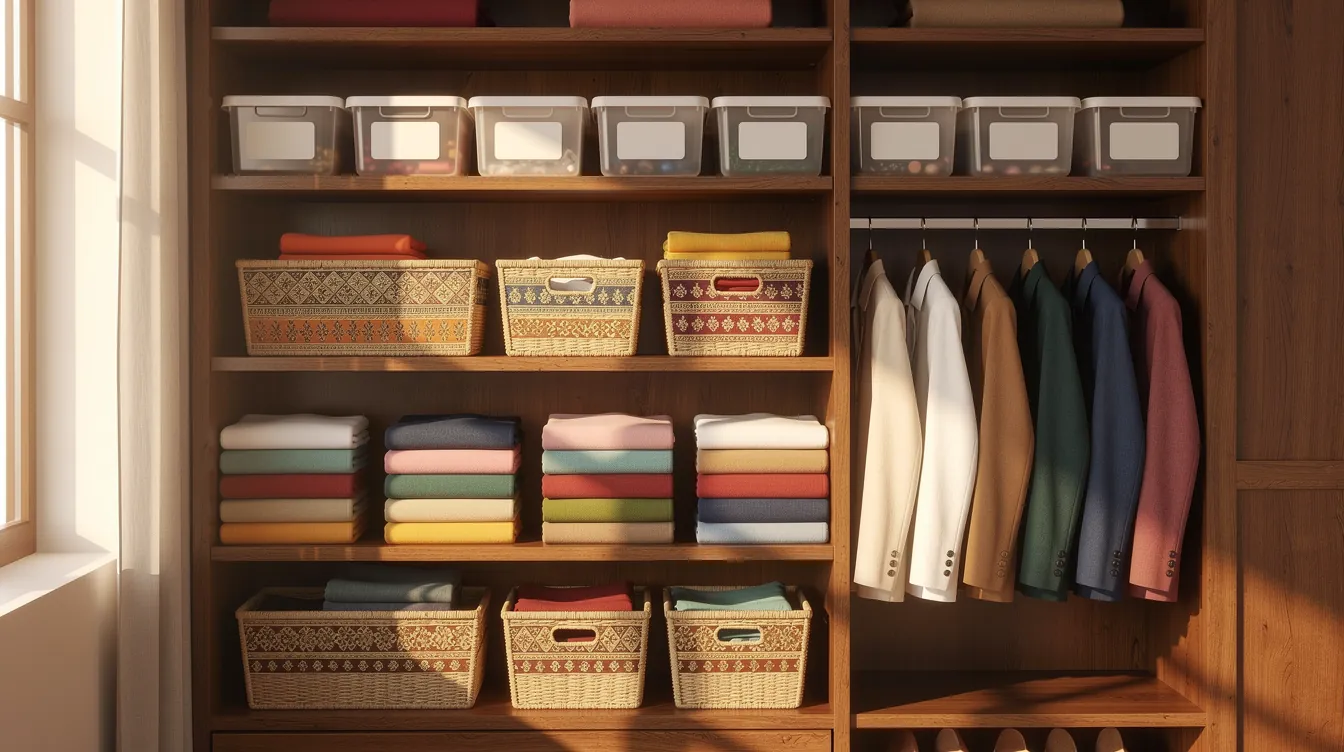
If handbags are only one part of an overflowing wardrobe, with sarees, ethnic wear, shoes and accessories all competing for the same shelves, it often makes sense to organise the whole space together. Tidy Blueprints organises wardrobes, cupboards, dressing tables and makeup collections in homes across Bangalore. We declutter with you, plan where each category will live and set up the dividers, boxes and trays so the system is easy to keep.
Read more about our wardrobe organising service, cupboard organiser service and dressing table organisation. If you live outside Bangalore, a virtual consultation gets you a personalised organising plan over a video call.
Purse Organiser FAQs
What is a purse organiser used for?
A purse organiser divides the inside of a handbag into pockets so your wallet, phone, keys and small items each have a fixed place. It stops things sinking to the bottom, protects the lining from leaks, gives a soft bag some structure and lets you switch bags in seconds by lifting the whole insert out.
What size purse organiser should I buy?
Measure the inside base of your bag (length and width) and its height, then choose an organiser about 1–2 cm smaller on each side. Measure at the bottom of the bag, which is often narrower than the opening. If you carry several bags, size the organiser for the one you use most.
Is a felt or nylon purse organiser better?
Felt is better for structured leather totes and work bags because it holds its shape and gives the bag support. Nylon is better for light everyday or travel bags because it is slimmer, lighter and wipes clean easily. In humid weather, air a felt insert now and then, since felt can hold moisture.
Can I use a purse organiser in a sling bag or backpack?
A full insert rarely fits a small sling, and backpacks change shape too much for rigid inserts. For these bags, a set of small zip pouches works better: one for money, one for beauty and one for cables or tech, used alongside the bag's own pockets.
How do I store handbags at home so they keep their shape?
Store them upright on a shelf with dividers between them, lightly stuffed with acid-free tissue, a bag pillow or their felt organiser, and covered with a cotton dust bag. Avoid piling bags on top of each other, hanging heavy bags by their straps for long periods and sealing leather bags in plastic. Our [shelf dividers guide](/home-organization-products/shelf-dividers/) explains which dividers suit bags.
How do I protect leather bags from mould during the monsoon?
Make sure bags are dry before you put them away, store them in breathable cotton dust bags rather than plastic, keep silica gel sachets in the storage area and replace them regularly, and keep bags away from damp walls. Take stored bags out once a month during the monsoon to check them and let them air.
Keep Reading
How to Organise a Non-Modular Kitchen
Practical ways to add drawers, racks and clear zones to a kitchen with open stone shelves and no modular units, without renovating.
How to Organize My Room
A step-by-step room organising guide covering decluttering, storage furniture, room-by-room strategies, budget hacks and the habits that keep a room tidy.
Want Your Wardrobe and Bags Organised for You?
Tidy Blueprints organises wardrobes, cupboards and dressing tables in homes across Bangalore, with storage planned around what you own and how you use it.